Why Your Dryer Vent Hose Matters More Than You Think
The cost to replace dryer vent hose typically ranges from $100 to $300 for a standard replacement with an existing pathway. Here’s what you need to know right away:
Quick Cost Guide:
- Standard Replacement: $100-$300 (materials + labor)
- New Installation: $200-$800 (includes structural work)
- DIY Materials Only: $15-$60 for basic kits
- Cost Per Linear Foot: $12.50-$15 installed
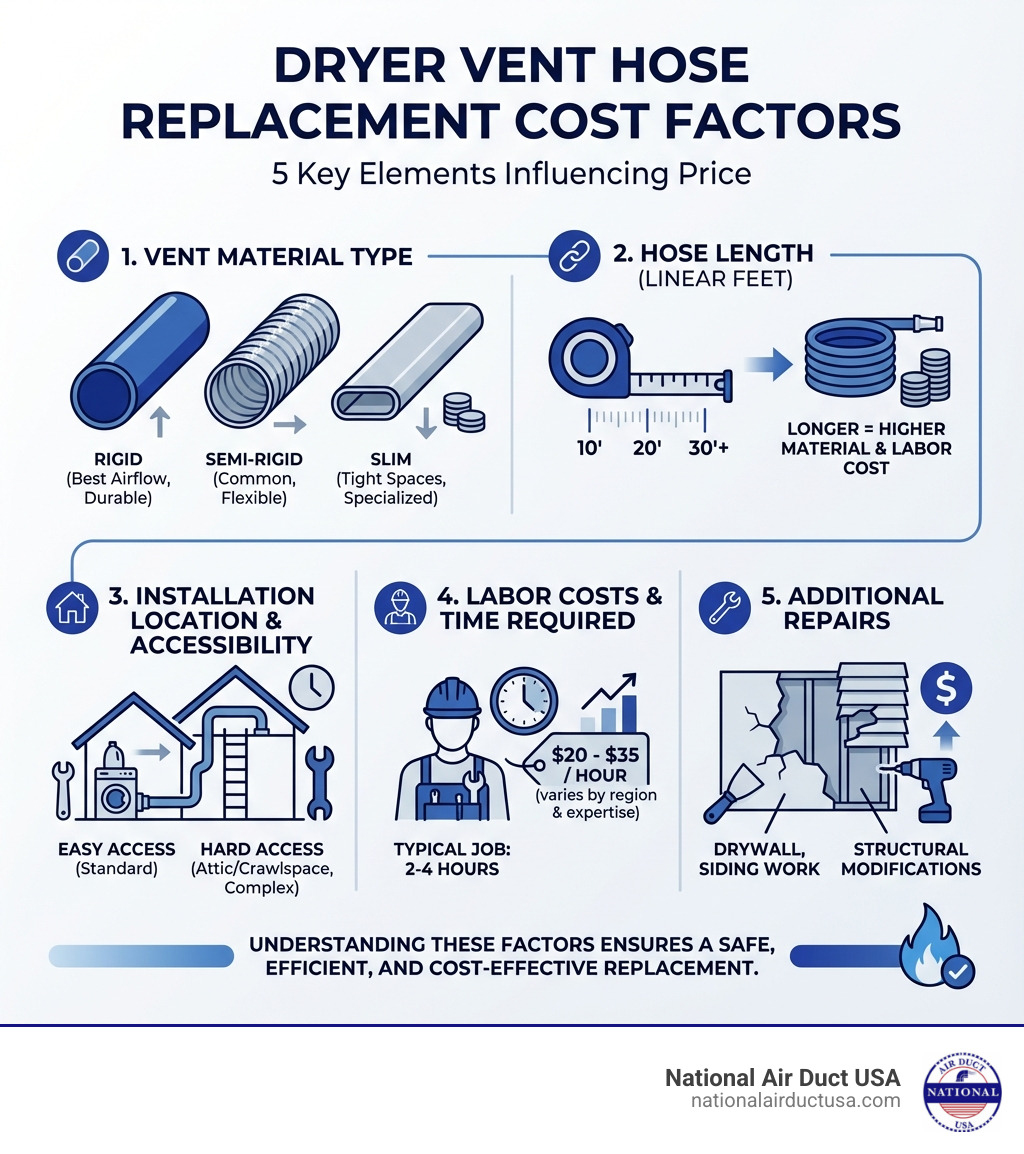
- Labor Rates: $20-$35/hour (typical job takes 2-4 hours)
Most homeowners in Long Island don’t think twice about their dryer vent hose until something goes wrong. Maybe your clothes are taking twice as long to dry. Maybe your laundry room feels like a sauna. Or worse—maybe you’ve noticed a burning smell coming from your dryer.
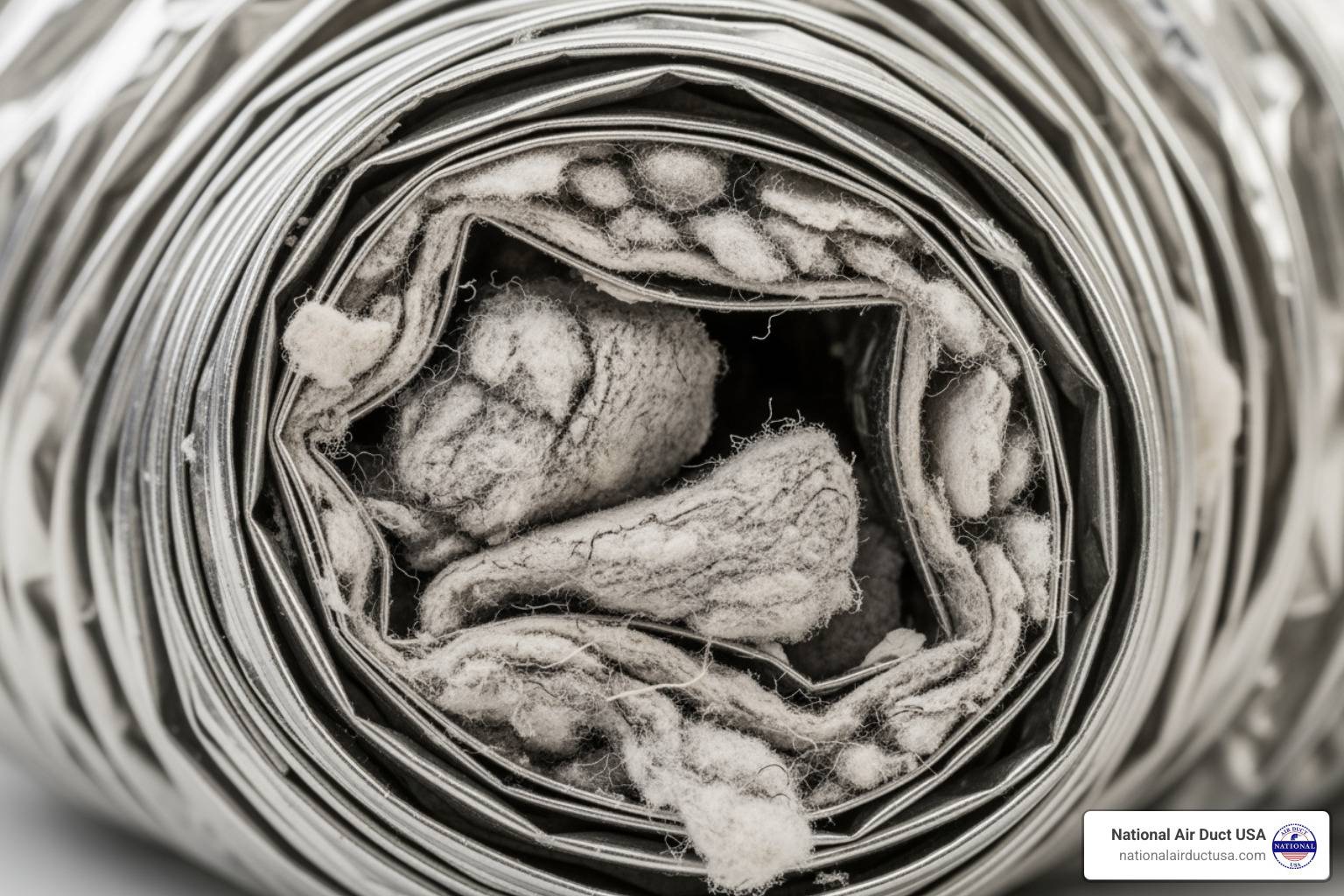
Here’s the reality: a damaged or improperly installed dryer vent hose isn’t just an inconvenience. It’s a fire hazard. According to the National Fire Protection Association (NFPA), thousands of home fires are caused by clothes dryers every year, with the leading cause being a failure to clean them.
The good news? Replacing a dryer vent hose is straightforward when you understand what drives the cost. The bad news? Using the wrong materials or cutting corners can void your warranty, waste energy, and put your family at risk.
Whether you’re dealing with a crushed flexible hose, upgrading from a fire-prone vinyl vent, or planning a complete reroute, this guide breaks down exactly what you’ll pay—and why it matters.
Quick cost to replace dryer vent hose terms:
Average Cost to Replace a Dryer Vent Hose
When your dryer vent hose calls it quits, one of the first questions on your mind is likely, “What’s this going to set me back?” We’ve found that the average cost to replace dryer vent hose typically falls between $100 and $300. This range generally covers both the materials and the labor for a standard replacement where the existing pathway is already in place.
However, if you’re looking at a brand-new installation—meaning there’s no existing ductwork or an entirely new vent opening needs to be created—the costs can jump to an average of $200 to $800. The key difference here is the amount of structural work involved, which we’ll dive into shortly.

Cost Breakdown: Materials vs. Labor
Understanding where your money goes can help you budget effectively. The total cost to replace dryer vent hose is a combination of materials and the labor needed to install them.
Material Costs:
For the basic components, you’re looking at a relatively small portion of the overall cost. Dryer ductwork itself can range from $0.50 to $2.50 per linear foot. If you opt for a full replacement kit, which often includes the ductwork, a wall sleeve, a transition duct, and clamps, you might spend anywhere from $10 to $25. For an 8-foot section of hose, expect material costs in the ballpark of $10 to $30.
Labor Costs:
This is where the bulk of the expense typically comes in. Professional labor rates for dryer vent replacement in areas like Long Island and Westbury NY can range from $20 to $35 per hour. A standard replacement job usually takes about 1 to 4 hours, meaning labor costs could be anywhere from $40 to $140. Many professionals also charge a minimum service fee, which can be equivalent to one to two hours of labor, just to cover their travel and setup time.
Replacement vs. New Installation Costs
It’s important to distinguish between replacing an existing dryer vent hose and installing a completely new one, as the costs can vary significantly.
Replacement: When you’re replacing an existing dryer vent hose, the main structural work is already done. The hole in your wall or roof is there, and the general pathway for the vent is established. This means the job is usually quicker and less invasive. Professionals can often replace a pre-existing dryer vent in about an hour. This efficiency is why the cost to replace dryer vent hose is often lower, typically ranging from $100 to $300.
New Installation: Installing a new dryer vent is a more extensive project. This often involves:
- Creating a new opening in an exterior wall or the roof.
- Connecting the vent to the dryer.
- Threading the vent through existing structural elements or creating new pathways.
- Installing the outdoor vent cap.
Because of this additional structural work and complexity, new installations generally cost more, ranging from $200 to $800. For more detailed information on the complexities and costs associated with establishing new dryer ducting, you can explore our guide on dryer duct installation.
Key Factors That Influence Replacement Costs
The final bill for your dryer vent hose replacement isn’t just a flat fee; it’s a dynamic figure influenced by several key factors. Think of it like ordering a pizza – the base cost is there, but toppings, size, and delivery distance all add up! We’re here to help you understand these variables so you can anticipate your costs.
The primary factors influencing the cost to replace dryer vent hose include:
- Vent Accessibility: Is your dryer in an open laundry room or tucked away in a tight closet? Easy access means less labor time.
- Dryer Location: A dryer right against an exterior wall is much simpler to vent than one in an interior room that requires routing through walls, floors, or ceilings.
- Exterior Wall Material: The material of your home’s exterior wall can impact labor time. Cutting through vinyl or metal siding is typically quicker and less expensive than drilling through tougher materials like concrete, brick, or stucco, which can add $50 to $150 per hole.
Hose Material and Type: From Flexible to Rigid
The type of hose you choose, or are required to use by code, will significantly impact both the cost and the long-term safety and efficiency of your dryer. We always recommend using metal (aluminum or galvanized steel) for dryer vents due to safety, a recommendation supported by organizations like the U.S. Department of Housing and Urban Development.
Let’s break down the common types:
| Hose Type | Average Installation Cost (Material + Labor) | Durability & Safety | Best Use |
|---|---|---|---|
| Rigid Metal | $150 – $300 | High durability, non-combustible, smooth interior reduces lint buildup. | Ideal for long, straight runs inside walls or ceilings. |
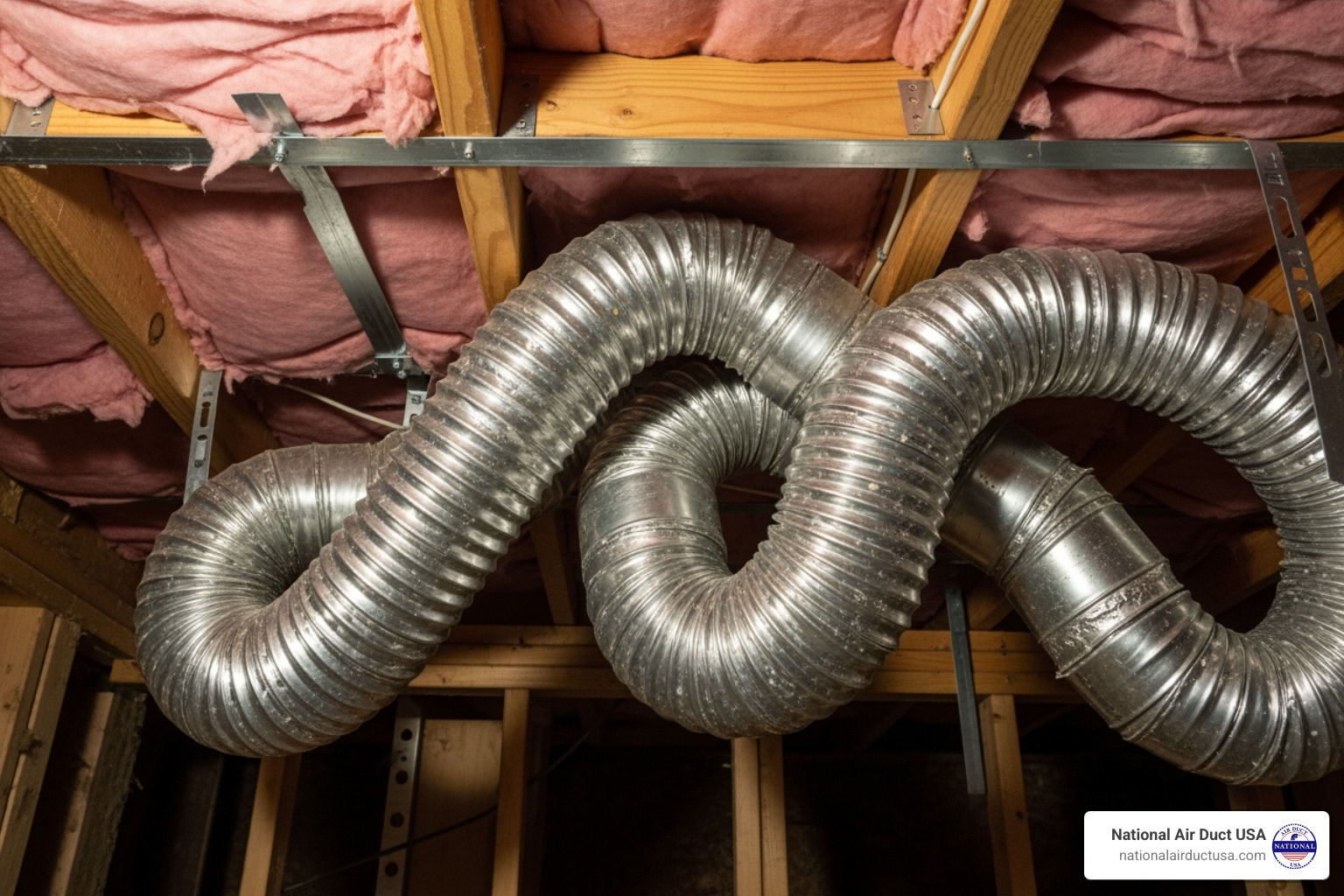
| Semi-Rigid Aluminum | $100 – $250 | Good durability, flexible, fire-resistant. | Best for transition ducts (connecting the dryer to the wall vent) and runs with bends. |
| Flexible Foil/Vinyl | $50 – $100 (Not Recommended) | Low durability, easily crushed, flammable (vinyl), traps lint. Major fire hazard. | Not recommended. Often against building codes. |
Vent Length and Path Complexity
The length and complexity of the vent path are major cost drivers. A simple, short run is much cheaper than a long, winding one.
- Cost Per Foot: Expect to pay around $12.50 to $15 per linear foot for professional installation.
- Bends and Turns: Each 90-degree turn adds resistance and can increase both labor and material costs. It also creates a potential spot for lint to accumulate.
- Routing: Running a vent through a finished ceiling, a tight crawlspace, or a second-story attic requires significantly more labor and expertise than a straight shot through a wall.
- Code Compliance: Most building codes, following recommendations from the International Residential Code (IRC), limit the maximum length of a dryer vent to 35 feet. This length is reduced for every bend in the ductwork. Ensuring your new installation is up to code is crucial for safety and may require a more complex routing plan. If your vent is clogged, it’s a good time to consider a professional dryer vent cleaning.
The Cost to Replace Dryer Vent Hose in Different Locations
Where your dryer is located in your home directly impacts the complexity and cost of the job.
- Basement vs. Second Floor: A basement installation is often simpler, especially if it’s near an exterior wall. A second-floor laundry room may require routing the vent through the roof or down through the floor and out the side of the house, increasing labor and material costs.
- Exterior Wall Access: As mentioned, the material of your exterior wall matters. A simple hole through vinyl siding is quick, but a core drill through a brick or concrete foundation is a more specialized and expensive task.
Hidden Costs and Special Scenarios
Sometimes, a simple hose replacement can uncover other issues or require additional work. Being aware of these potential “hidden costs” can help you budget more accurately.
- Pest Guards: If your exterior vent cap is missing or damaged, it’s an open invitation for birds, rodents, and insects. Installing a new, pest-proof vent cap is a small additional cost that prevents much bigger problems down the line.
- Booster Fans: For vent runs longer than 35 feet, a booster fan may be necessary to ensure proper airflow and prevent lint buildup. These can add $150 to $250 to the total cost.
- Vent Alarms: A vent alarm is a safety device that monitors airflow and alerts you when a blockage is detected. It’s a smart investment for added peace of mind.
Additional Repairs and Services
The process of replacing or rerouting a dryer vent can sometimes require related repairs.
- Drywall Repair: If the vent runs through an interior wall or ceiling, the technician may need to cut into the drywall to access it. Patching and painting this can add $50 to $200+ to the project, depending on the size of the repair.
- Siding or Roofing Repairs: Creating a new exit point for the vent means cutting through your home’s exterior. While professionals take great care, minor siding or roofing repairs may be needed to ensure a weatherproof seal.
- Professional Cleaning vs. Replacement: If your existing ductwork is in good condition but simply clogged, a professional cleaning might be a more cost-effective option than a full replacement. However, if the duct is old, damaged, or made of improper materials, replacement is the only safe choice. A thorough cleaning is also a key part of our HVAC System Cleaning.
The Cost to Replace Dryer Vent Hose When Rerouting
Rerouting a dryer vent is more involved than a simple replacement and costs more. You might need to reroute a vent if the current path is too long, has too many bends, or uses unsafe materials.
- Simple Rerouting: A minor reroute, such as shortening a path to a closer exterior wall, might cost between $200 and $400.
- Complex Rerouting: A more complex job, like moving the vent from a basement to a second-floor roof exit, could cost $500 to $1,000+ due to the extensive labor and materials required. This often includes significant drywall, siding, or roofing work.