Why Indoor Air Quality Matters for Allergy Sufferers
Allergy relief duct cleaning is a professional service that removes dust, pet dander, mold spores, and other allergens from your HVAC system’s ductwork to improve indoor air quality and reduce allergy symptoms.
Quick Answer: Does Duct Cleaning Help Allergies?
- Yes, it can help by removing allergen buildup in your HVAC system
- Reduces circulation of dust, pet dander, mold spores, and pollen through your home
- Works best as part of a complete indoor air quality strategy
- EPA caution: Research hasn’t conclusively proven health benefits, but many allergy sufferers report improvement
- Recommended timing: Every 2-3 years for allergy sufferers, or when visible mold, pests, or excessive dust is present
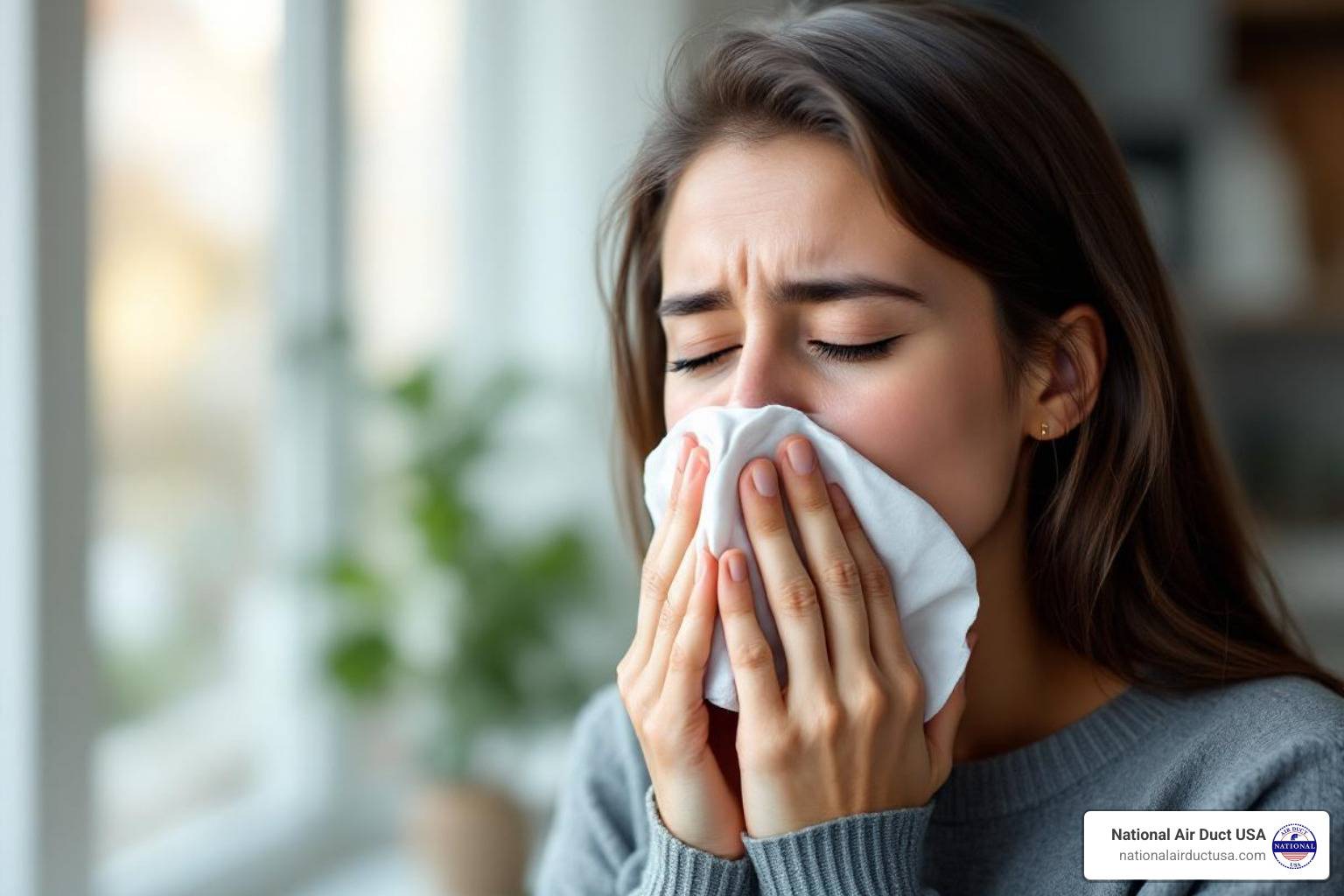
If you suffer from allergies, you know how challenging it is to keep symptoms at bay. While you might blame outdoor pollen, the real problem could be hiding inside your home’s ventilation system.
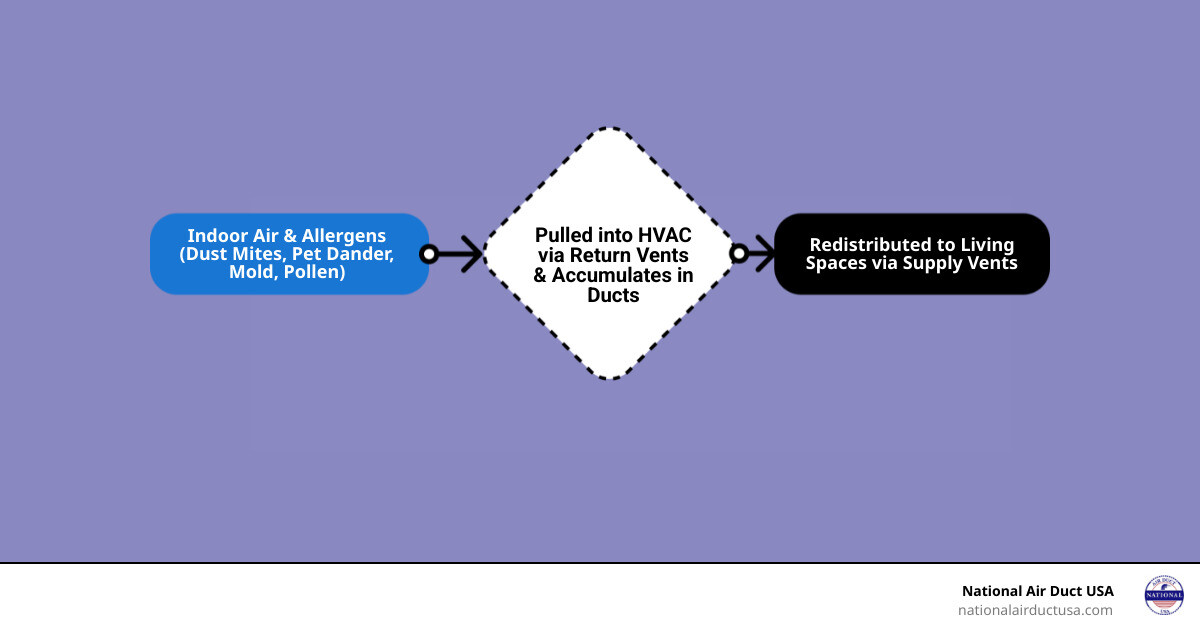
According to the American College of Allergy, Asthma & Immunology, most people in the United States are exposed to dust mites and pet dander. This is concerning because the air in your home is pulled into your HVAC system and recirculated 5 to 7 times per day on average. This process constantly redistributes any allergens in your ductwork throughout your living space. Understanding this cycle is the first step to breathing easier at home.
Relevant articles related to allergy relief duct cleaning:
What’s Hiding in Your Air Ducts?
It’s easy to focus on visible dirt, but invisible invaders lurk in your air ducts. These pathways deliver conditioned air throughout your Long Island or Westbury home but can become collection points for unwelcome allergens.
Common indoor allergens that accumulate in air ducts include:
- Dust mites: Microscopic creatures whose waste products are potent allergens.
- Pet dander: Tiny flakes of skin shed by cats, dogs, and other furry animals.
- Mold spores: If there’s any moisture in your ducts, mold can grow and spread spores.
- Pollen: An outdoor allergen that easily enters your home and settles in ductwork.
- Bacteria and Viruses: These can also find a home in dusty, stagnant ducts.
- Tracked-in soil and outdoor air particles: Tiny bits of the outside world, including trace substances noted by OnHealth.
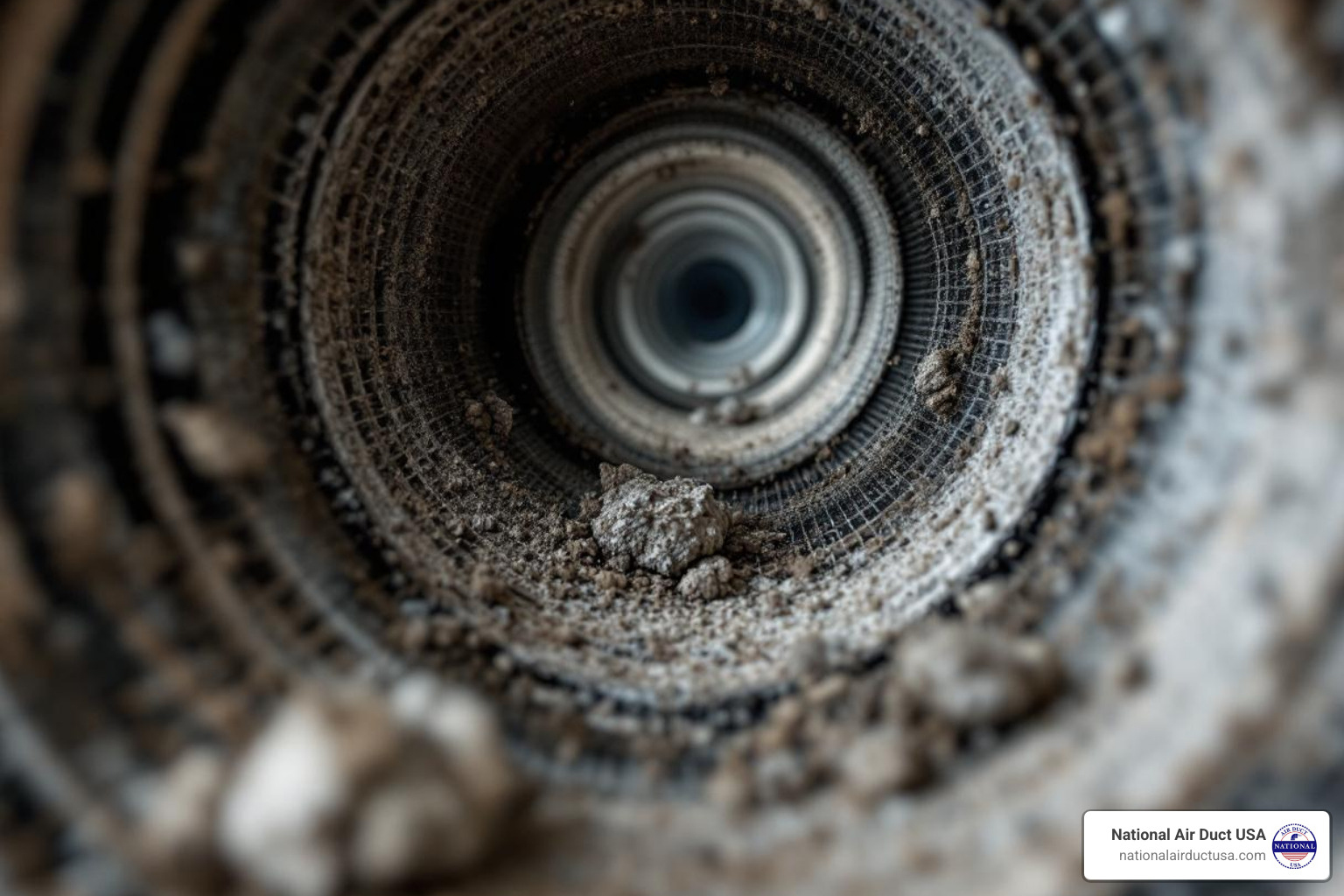
When your HVAC system kicks on, it can stir up and redistribute these hidden allergens, turning your home into an allergy hotspot.
The Main Culprits: A Closer Look
- Dust Mite Waste: The primary allergen isn’t the mite itself, but its waste. These particles become airborne easily and are a major trigger for asthma and allergies. The American College of Allergy, Asthma & Immunology notes that reducing dust through methods like duct cleaning can make a significant difference.
- Pet Dander: All furry or feathered animals produce dander. It’s incredibly fine, stays airborne for long periods, and easily enters your ductwork to be recirculated.
- Mold Growth: Mold thrives in damp, dark, and dusty environments. Any moisture in your ducts from condensation or leaks creates a breeding ground. The HVAC system then spreads these spores, and a musty odor is a key warning sign. NADCA highlights that keeping humidity below 50% is crucial for prevention.
- Allergen Accumulation: Your HVAC system pulls in airborne particles like dust, dander, and pollen. Over time, they build up inside the ducts. When the system runs, these allergens are blown back into your home, creating a continuous cycle of exposure.
To learn more about managing these indoor threats, the American Academy of Allergy, Asthma & Immunology offers excellent guidance on controlling indoor allergens to improve your indoor air quality.
How Dirty Ducts Can Worsen Allergy and Asthma Symptoms
Your home’s HVAC system acts like its lungs, taking in and distributing air. When these “lungs” are dirty with dust, dander, and mold, they can’t work effectively. Instead of fresh air, they become a source of pollution, worsening life for allergy and asthma sufferers in Hempstead, Garden City, or anywhere on Long Island.
The air in your home is re-circulated an average of 5 to 7 times a day. This means contaminants in your ductwork are continuously blown back into your living spaces, worsening symptoms like:
- Sneezing and runny noses
- Itchy, watery eyes
- Coughing fits
- Asthma attacks
- Respiratory irritation
- Sinus problems, headaches, and fatigue
The Cycle of Contamination
This isn’t a one-time event but a persistent cycle. Your HVAC system draws in airborne particles like dust and dander. These particles settle inside the ductwork, building up over time. When the system kicks on, it dislodges these allergens and blows them back into your rooms. This process repeats all day, ensuring constant exposure and meaning that even with regular cleaning, your home can still harbor triggers that worsen allergy symptoms. Your HVAC system, designed for comfort, can become an invisible culprit exacerbating your allergies. For more detailed insights into how a clean HVAC system can benefit your home’s air quality, explore our page on HVAC System Cleaning.
The Role of Professional Air Duct Cleaning for Allergy Relief
So, if our ducts are constantly cycling allergens, what’s the solution? Professional allergy relief duct cleaning is a targeted process designed to remove the accumulated contaminants that trigger your symptoms.
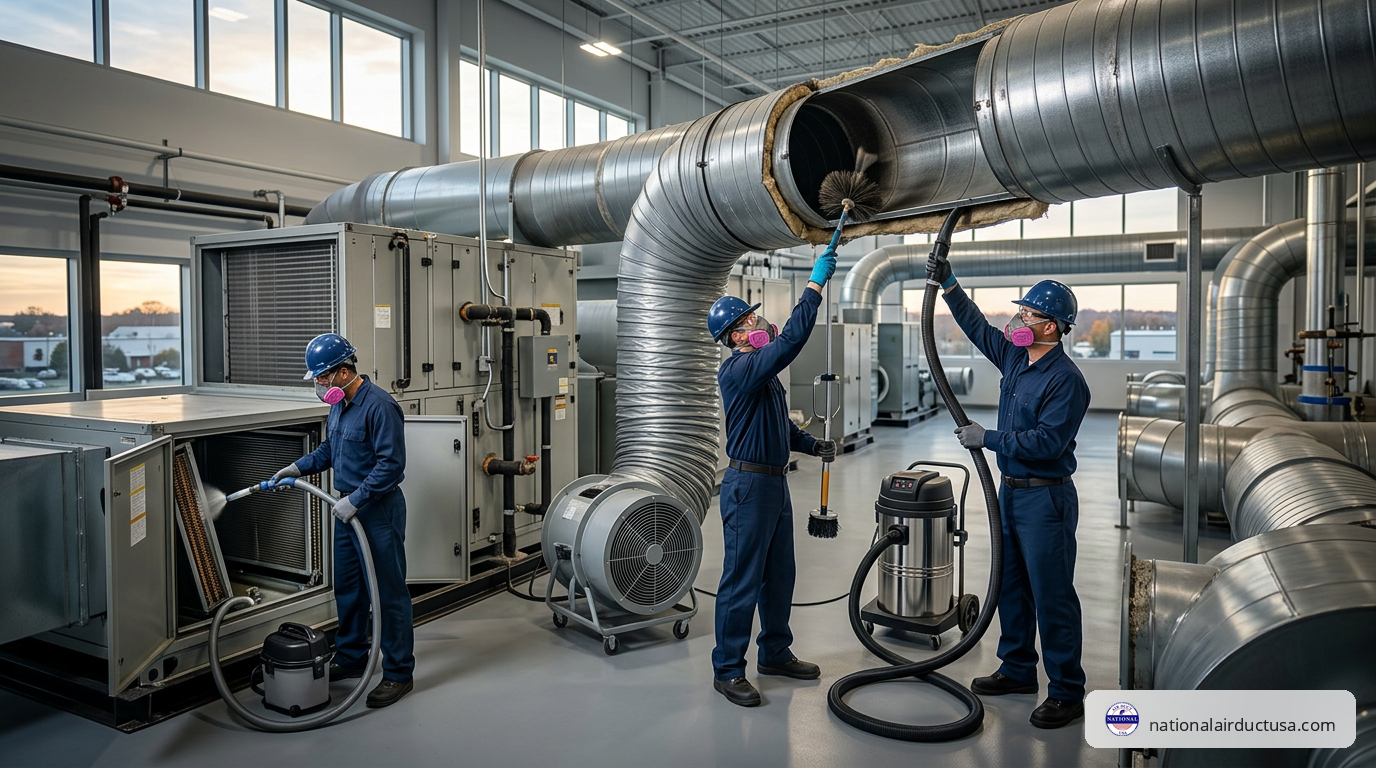
Our NADCA-certified technicians in Nassau County and Suffolk County use the source removal method, the industry’s most effective technique. The process involves:
- Creating negative pressure: We connect powerful vacuums to your ductwork, preventing contaminants from escaping into your home.
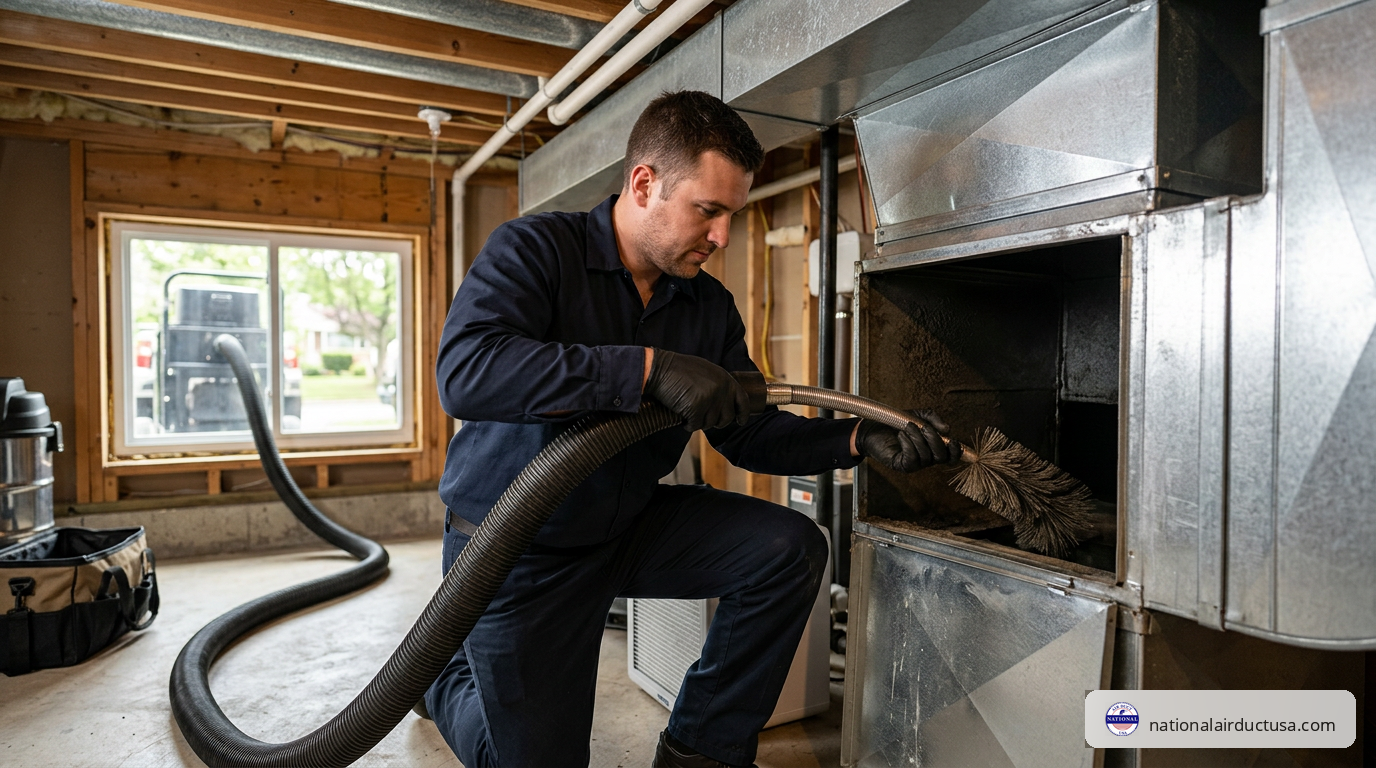
- Agitation and scrubbing: Specialized tools like rotary brushes and air whips scrub the interior surfaces of the ducts, dislodging years of accumulated dust, dander, and mold spores.
- HEPA filtration: The vacuums use HEPA (High-Efficiency Particulate Air) filters to trap microscopic allergens, ensuring they are completely removed from your home.
The result is a significant improvement in your indoor air quality and a noticeable reduction in the allergen load within your home. To understand the full scope of our services, visit our main Air Duct Cleaning page.
Specific Benefits of Allergy Relief Duct Cleaning
Professional air duct cleaning offers several key advantages for allergy sufferers:
- Fewer allergy triggers: Removes accumulated dust, dander, and mold spores, significantly reducing airborne triggers in your Freeport or Hicksville home.
- Easier breathing: With fewer irritants in the air, your respiratory system can work more freely. Many clients report a noticeable difference.
- Cleaner living environment: Less dust from your vents means less dust on furniture and floors, making your regular cleaning more effective.
- Odor removal: Removes the source of musty smells and pet odors trapped in ducts, leading to a fresher-smelling home.
- Improved HVAC efficiency: Clean ducts allow for smoother airflow and more efficient operation, which can lower energy bills.
- Extended system lifespan: A more efficient system is under less strain, which reduces wear and tear and helps extend the lifespan of your HVAC unit.
For an extra layer of defense against airborne pathogens, consider UV Light Installation in your HVAC system. These lights can kill microorganisms as they pass through, further enhancing your indoor air quality.
Signs Your Air Ducts Need Cleaning
How do you know if your ducts are contributing to your allergies? Look for these signs that your air ducts in Westbury or Garden City are due for a professional cleaning:
- Visible dust around vents: Debris accumulates around registers shortly after you clean them.
- Musty or moldy odors: A persistent stale smell, especially when your HVAC system is running.
- Increased allergy symptoms at home: Symptoms worsen primarily when you’re indoors.
- Recent home renovation: Construction generates a huge amount of dust that settles in ducts.
- Pest infestation: Rodents or insects may have left droppings and nesting materials in your ductwork.
- Inconsistent airflow: Some rooms are warmer or cooler than others, or airflow from vents seems weak.
- Noises in the ductwork: Rattling or scratching could indicate debris or pests.
- It’s been a while: If it’s been more than 3-5 years since your last cleaning, it’s probably time.
A Whole-Home Approach to Allergy-Free Air
While professional allergy relief duct cleaning is a powerful tool, it’s most effective as part of a comprehensive strategy. Achieving allergy-free air in your Long Island home requires a whole-home approach that extends beyond your ductwork.
Here are some best practices for maintaining cleaner, healthier indoor air:
- High-efficiency air filters: Upgrade to pleated filters with a MERV rating of 8 or higher to better trap tiny particles.
- Regular filter changes: Check filters monthly and change them every 1-3 months to ensure effectiveness and prevent restricted airflow.
- Humidity control: Keep indoor humidity below 50% using air conditioners or dehumidifiers to inhibit dust mite and mold growth.
- Routine vacuuming and dusting: Vacuum at least once a week and dust with a damp cloth to capture allergens rather than scattering them.
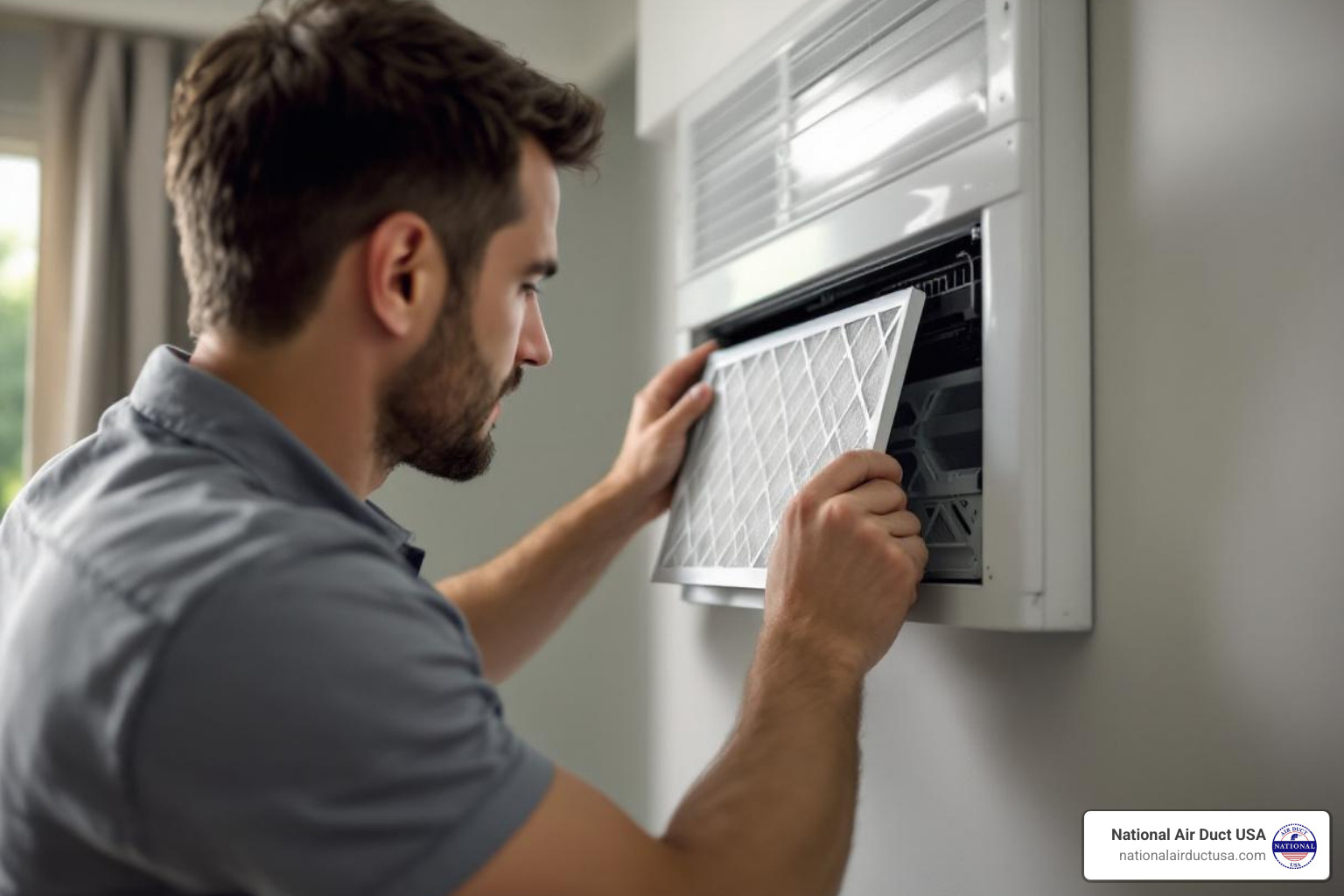
Best Practices for Maintaining Clean Indoor Air
To create an allergen-unfriendly environment, consider these additional tips:
- Bedding protection: Use zippered allergen-resistant covers on pillows and mattresses to control dust mites. Wash all bedding weekly in hot water (130°F or hotter).
- Smart vacuuming: Use a Certified Asthma & Allergy Friendly® vacuum to effectively capture allergens without kicking them back into the air.
- Consider air purifiers: Use a portable air purifier with a Certified Asthma & Allergy Friendly® filter, especially in bedrooms, for an added layer of protection.
- Keep surfaces uncluttered: Reduce clutter, especially in bedrooms, to minimize surfaces where dust can settle. This makes cleaning more effective.
- Pets out of the bedroom: If you have pet allergies, keep pets out of the bedroom to reduce dander exposure while you sleep.
By combining professional allergy relief duct cleaning with these best practices, you can create a much healthier and more comfortable indoor environment for everyone in your Long Island home.
Making an Informed Decision: Is Duct Cleaning Right for You?
Deciding whether to have your air ducts cleaned for allergy relief can be confusing. We believe in providing the facts so you can make the best choice for your home in Nassau County or Suffolk County.
The EPA’s Stance and Potential Risks
The U.S. Environmental Protection Agency (EPA) takes a cautious stance, noting in its guide, Should You Have the Air Ducts in Your Home Cleaned?, that research is still in its early stages and a blanket recommendation for cleaning cannot be made.
Key points from the EPA:
- Lack of conclusive health studies: The EPA states that studies haven’t conclusively proven that dirty ducts increase particle levels in homes or that cleaning lowers them or prevents health problems.
- When cleaning is recommended: The EPA recommends cleaning only when necessary, such as for visible mold growth, pest infestations, or ducts clogged with excessive dust.
- Risk of improper cleaning: Improper cleaning can damage your system or release more contaminants. It’s crucial to hire a trained professional.
- Biocides and sealants: The EPA advises caution with chemical biocides and sealants inside ducts, as research on their effectiveness is limited and they may pose health risks. NADCA and other organizations do not recommend their routine use.
How to Choose a Reputable Duct Cleaning Service
Given the EPA’s caution, choosing the right professional in Hempstead, Garden City, or Freeport is paramount. Here’s what to look for:
- NADCA certification: Look for companies with NADCA-certified technicians, who adhere to strict industry standards. Our technicians at National Air Duct USA are NADCA-certified.
- Checking references and reviews: Ask for references or check online reviews from previous customers in your local area.
- Written estimates: Always get a detailed written estimate outlining the scope of work and total cost. Be wary of unusually low prices.
- Proof of insurance: Ensure the company is fully insured to protect you from accidental damage.
- Avoiding unsubstantiated health claims: Be skeptical of companies that make exaggerated health claims. A professional service will focus on improving indoor air quality.
- Transparency in process: A good technician should clearly explain their cleaning method and be able to show you the contamination that justifies the cleaning.
To find a NADCA professional duct cleaner near you, you can use the official NADCA search tool: Find a NADCA professional duct cleaner near you.. When you choose National Air Duct USA, you’re choosing NADCA-certified experts committed to delivering fast, reliable service and 100% satisfaction guaranteed.
Frequently Asked Questions about Duct Cleaning and Allergies
Here are some of the most common questions we hear about allergy relief duct cleaning for homes in Long Island and Westbury.
How often should air ducts be cleaned for allergy relief?
For allergy sufferers, a proactive approach is best. While the general recommendation is every 3-5 years, we suggest the following:
- Allergy/Asthma Sufferers & Pet Owners: Every 2-3 years to keep allergen and dander levels low.
- After Renovations: Clean ducts after any major construction to remove excessive dust and debris.
- Other Triggers: Consider cleaning sooner if you move into a new-to-you home, have smokers, or notice persistent musty odors.
Will duct cleaning completely cure my allergies?
It’s important to have realistic expectations. Duct cleaning will not “cure” your allergies, as triggers exist both indoors and outdoors. However, it is a highly effective step to:
- Drastically reduce indoor triggers like dust, dander, and mold spores by removing them from your HVAC system.
- Improve symptoms, as many clients report easier breathing and fewer allergy flare-ups at home.
- Act as part of a larger strategy for clean air, working best with high-efficiency filters and regular cleaning.
Duct cleaning helps make your home a safer, more comfortable haven by managing a major source of allergens rather than eliminating them entirely.
What should I expect during the service?
When you schedule a service with National Air Duct USA, our NADCA-certified technicians will:
- Inspect your system to assess contamination.
- Protect your home with drop cloths and prepare the work area.
- Create negative pressure using powerful HEPA-filtered vacuums to contain all dust and debris.
- Clean all components of your HVAC system, including supply/return ducts, registers, coils, and the fan housing, using specialized agitation tools like brushes and air whips.
- Professionally seal any access points created for the cleaning.
- Conduct a final inspection to ensure the system is visibly clean.
Breathe Easier with a Cleaner Home
We’ve seen how allergens in your air ducts can impact your family’s health, especially for those with allergies and asthma. Your HVAC system can circulate dust, dander, and mold, turning your home from a sanctuary into a source of discomfort.
While the EPA is cautious, the benefits of professional allergy relief duct cleaning for those with symptoms are clear. It’s a proactive measure that addresses a major source of indoor allergens, leading to fewer triggers, easier breathing, a cleaner environment, and improved HVAC efficiency.
At National Air Duct USA, we provide expert air duct cleaning, HVAC services, and UV light installation across Long Island, including Nassau and Suffolk County. Our NADCA-certified technicians deliver reliable service with transparent pricing and a 100% satisfaction guarantee.
Don’t let dirty ducts dictate your health. If you’re ready to breathe easier in your home, it’s time to consider professional allergy relief duct cleaning.
Take the first step towards a healthier home today.