Why Your Dryer’s Safety Depends on More Than Just the Lint Trap
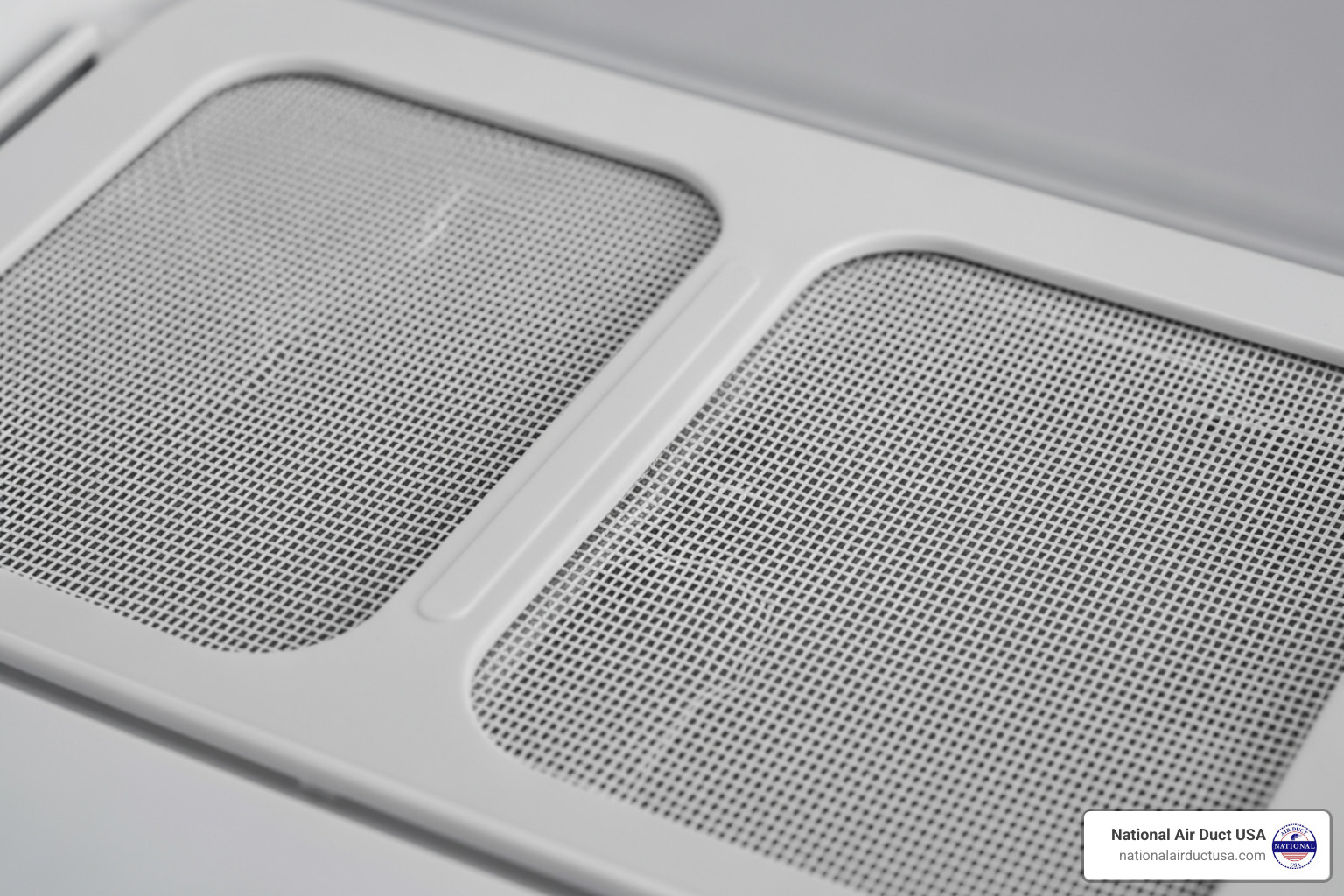
A tumble dryer exhaust filter is a crucial component that captures lint, fibers, and debris before they enter your dryer’s exhaust system or internal mechanisms. Most dryers have multiple filters: a primary lint trap inside the door and often secondary filters in the condenser or heat pump units.
Key Facts About Dryer Exhaust Filters:
- Primary filter – Located just inside the dryer door, catches most lint from clothes
- Secondary filters – Found in condenser and heat pump dryers, capture fine particles
- Cleaning frequency – Primary filter after every load; secondary filters monthly or quarterly
- Fire risk – Dryers cause approximately 2,900 fires annually in the U.S., often due to lint buildup
- Energy impact – A clogged filter makes your dryer work harder, increasing utility costs
- Warning signs – Longer drying times, hot exterior, burning smell, or lint around the vent
Most people know to clean their lint trap. But here’s what many don’t realize: that visible lint trap is just the first line of defense. Your dryer has a more complex filtration system designed to protect the machine’s internal components and your home from fire hazards.
The combination of heat and accumulated lint creates serious risks. According to the U.S. Fire Administration, clogged dryer vents and filters result in approximately $35 million in property loss each year. Beyond safety concerns, a blocked filter forces your dryer to use more energy – sometimes extending drying times by 30 minutes or more per load.
This guide walks you through everything you need to know about your dryer’s exhaust filter system. You’ll learn where to find each filter, how to clean them properly, and when to call a professional. Whether you have a vented, condenser, or heat pump dryer, understanding these components helps keep your home safe and your appliance running efficiently.
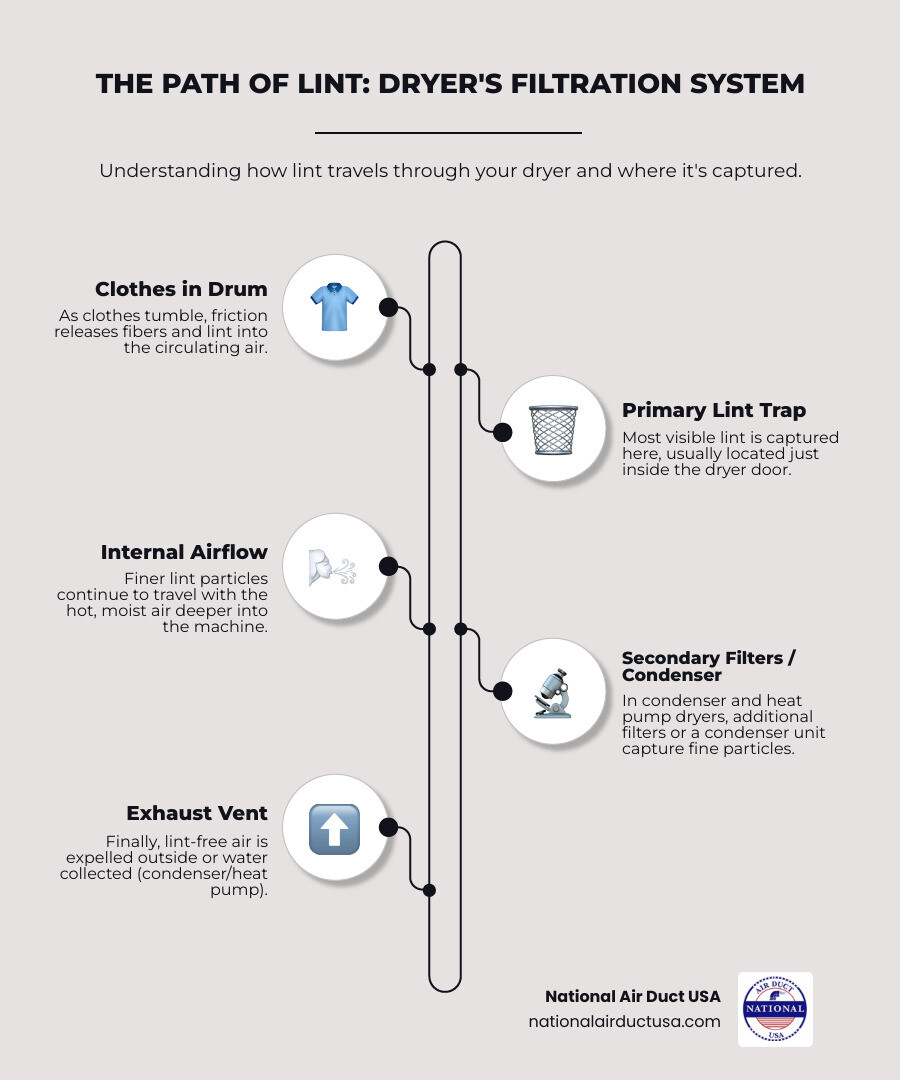
Easy tumble dryer exhaust filter glossary:
Understanding Your Tumble Dryer Exhaust Filter System
Before we dive into the nitty-gritty of cleaning, let’s understand the different types of tumble dryers and how their exhaust filter systems work. Knowing your dryer type is the first step to effective maintenance.
Where to Find the Filter in Your Dryer
The location and type of filter depend heavily on your dryer’s design. While the primary lint filter is usually easy to spot, secondary filters might be a bit more hidden.
-
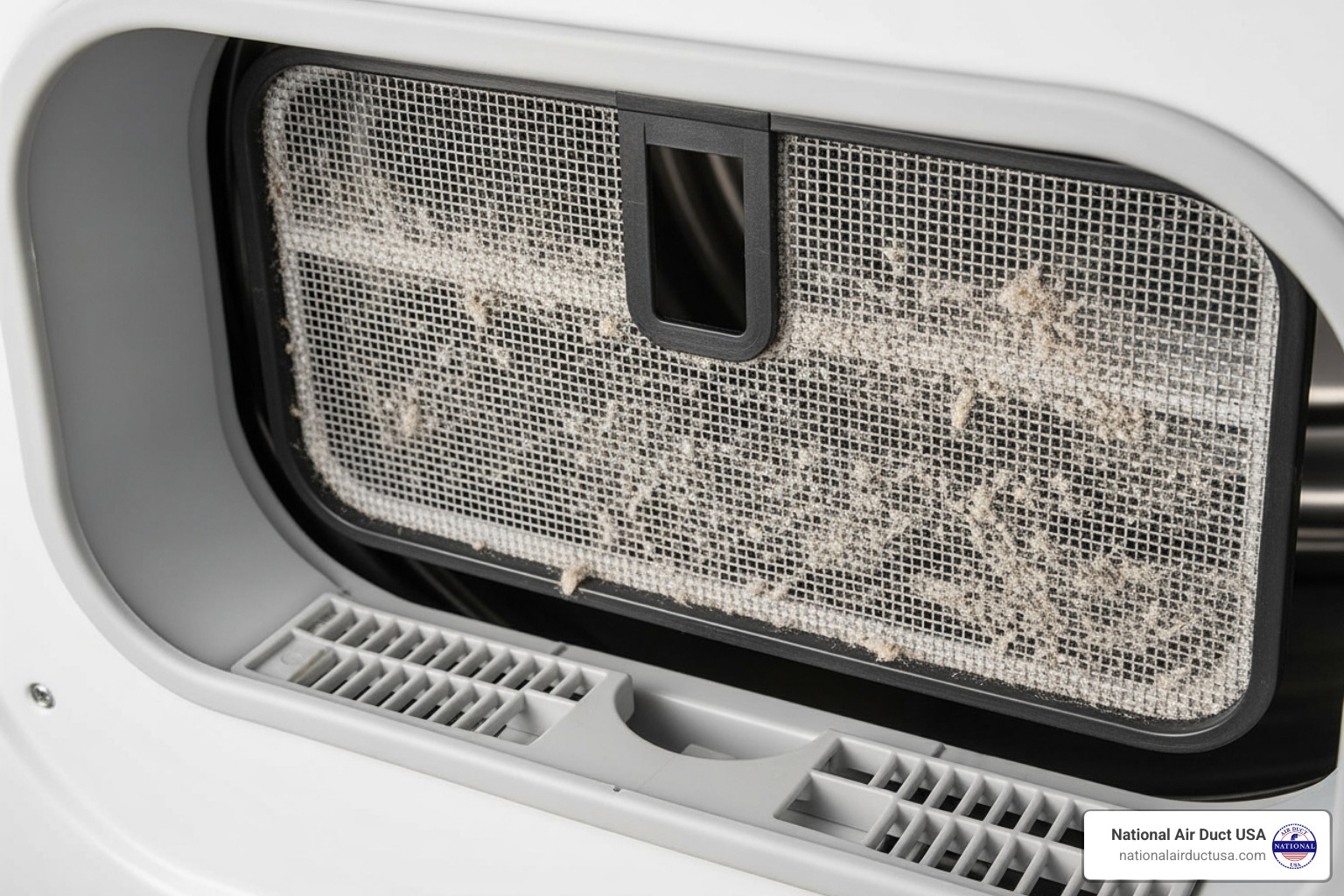
Vented Dryers: These are perhaps the simplest in terms of filtration. They pull air from your laundry room, heat it, tumble clothes, and then expel the moist, lint-filled air directly outside through a vent hose or duct. For these models, the main tumble dryer exhaust filter (the primary lint trap) is typically located just inside the dryer door, often built into the door frame or a slot directly below the opening. This filter is designed to catch most of the lint before it enters the exhaust ductwork.
-
Condenser Dryers: Unlike vented dryers, condenser dryers don’t vent air outside. Instead, they cool the moist air inside the machine, causing the water vapor to condense into a collection tank. This dryer type will have a primary lint filter (like vented dryers) and a secondary filter, usually located near the condenser unit at the bottom front of the machine, behind a kick plate or access panel. This secondary filter protects the condenser unit from finer lint particles.
-
Heat Pump Dryers: These are the most energy-efficient dryers, operating like a closed-loop system. They use a heat pump to reheat the air, making them even more complex. Like condenser dryers, they have a primary lint filter and typically an evaporator filter, often found in a similar location at the bottom of the machine. This filter is crucial for protecting the delicate evaporator fins from lint buildup, which can severely impact efficiency.
Here’s a quick overview of filter locations by dryer type:
| Dryer Type | Primary Filter Location | Secondary Filter Location (if applicable) | Function (Optional) |
| —————- | ————————– | ————————————————————————– | ———————————————————————————————————————————————————————————————————————————————————————————————————————————————————————————————————————————————————————————————————————————————————————————————————————————————————————————————————————————————————————————————————————————————————————————————————————————————————————————————————————————————————————————————————————————————————————————————————————————————————————————————————————————————————————————————————————————————————————————————————————————————————————————————————————————————————————————————————————————————————————————————————————————————————————————————————————————————————————————————————————————————————————————————————————————————————————————————————————————————————————————————————————————————————————————————————————————————————————————————————————————————————————————————————————————————————————————————————————————————————————————————————————————————————————————————————————————————————————————————————————————————————————————————————————————————————————————————————————————————————————————————————————————————————————————————————————————————————————————————————————————————————————————————————————————————————————————————————————————————————————————————————————————————————————————————————————————————————————————————————————————————————————————————————————————————————————————————————————————————————————————————————————————————————————————————————————————————————————————————————————————————————————————————————————————————————————————————————————————————————————————————————————————————————————————————————————————————————————————————————————————————————————————————————————————————————————————————————————————————————————————————————————————————————————————————————————————————————————————————————————————————————————————————————————————————————————————————————————————————————————————————————————————————————————————————————————————————————————————————————————————————————————————————————————————————————————————————————————————————————————————————————————————————————————————————————————————————————————————————————————————————————————————————————————————————————————————————————————————————————————————————————————————————————————————————————————————————————————————————————————————————————————————————————————————————————————————————————————————————————————————————————————————————————————————————————————————————————————————————————————————————————————————————————————————————————————————————————————————————————————————————————————————————————————————————————————————————————————————————————————————————————————————————————————————————————————————————————————————————————————————————————————————————————————————————————————————————————————————————————————————————————————————————————————————————————————————————————————————————————————————————————————————————————————————————————————————————————————————————————————————————————————————————————————————————————————————————————————————————————————————————————————————————————————————————————————————————————————————————————————————————————————————————————————————————————————————————————————————————————————————————————————————————————————————————————————————————————————————————————————————————————————————————————————————————————————————————————————————————————————————————————————————————————————————————————————————————————————————————————————————————————————————————————————————————————————————————————————————————————————————————————————————————————————————————————————————————————————————————————————————————————————————————————————————————————————————————————————————————————————————————————————————————————————————————————————————————————————————————————————————————————————————————————————————————————————————————————————————————————————————————————————————————————————————————————————————————————————————————————————————————————————————————————————————————————————————————————————————————————————————————————————————————————————————————————————————————————————————————————————————————————————————————————————————————————————————————————————————————————————————————————————————————————————————————————————————————————————————————————————————————————————————————————————————————————————————————————————————————————————————————————————————————————————————————————————————————————————————————————————————————————————————————————————————————————————————————————————————————————————————————————————————————————————————————————————————————————————————————————————————————————————————————————————————————————————————————————————————————————————————————————————————————————————————————————————————————————————————————————————————————————————————————————————————————————————————————————————————————————————————————————————————————————————————————————————————————————————————————————————————————————————————————————————————————————————————————————————————————————————————————————————————————————————————————————————————————————————————————————————————————————————————————————————————————————————————————————————————————————————————————————————————————————————————————————————————————————————————————————————————————————————————————————————————————————————————————————————————————————————————————————————————————————————————————————————————————————————————————————————————————————————————————————————————————————————————————————————————————————————————————————————————————————————————————————————————————————————————————————————————————————————————————————————————————————————————————————————————————————————————————————————————————————————————————————————————————————————————————————————————————————————————————————————————————————————————————————————————————————————————————————————————————————————————————————————————————————————————————————————————————————————————————————————————————————————————————————————————————————————————————————————————————————————————————————————————————————————————————————————————————————————————————————————————————————————————————————————————————————————————————————————————————————————————————————————————————————————————————————————————————————————————————————————————————————————————————————————————————————————————————————————————————————————————————————————————————————————————————————————————————————————————————————————————————————————————————————————————————————————————————————————————————————————————————————————————————————————————————————————————————————————————————————————————————————————————————————————————————————————————————————————————————————————————————————————————————————————————————————————————————————————————————————————————————————————————————————————————————————————————————————————————————————————————————————————————————————————————————————————————————————————————————————————————————————————————————————————————————————————————————————————————————————————————————————————————————————————————————————————————————————————————————————————————————————————————————————————————————————————————————————————————————————————————————————————————————————————————————————————————————————————————————————————————————————————————————————————————————————————————————————————————————————————————————————————————————————————————————————————————————————————————————————————————————————————————————————————————————————————————————————————————————————————————————————————————————————————————————————————————————————————————————————————————————————————————————————————————————————————————————————————————————————————————————————————————————————————————————————————————————————————————————————————————————————————————————————————————————————————————————————————————————————————————————————————————————————————————————————————————————————————————————————————————————————————————————————————————————————————————————————————————————————————————————————————————————————————————————————————————————————————————————————————————————————————————————————————————————————————————————————————————————————————————————————————————————————————————————————————————————————————————————————————————————————————————————————————————————————————————————————————————————————————————————————————————————————————————————————————————————————————————————————————————————————————————————————————————————————————————————————————————————————————————————————————————————————————————————————————————————————————————————————————————————————————————————————————————————————————————————————————————————————————————————————————————————————————————————————————————————————————————————————————————————————————————————————————————————————————————————————————————————————————————————————————————————————————————————————————————————————————————————————————————————————————————————————————————————————————————————————————————————————————————————————————————————————————————————————————————————————————————————————————————————————————————————————————————————————————————————————————————————————————————————————————————————————————————————————————————————————————————————————————————————————————————————————————————————————————————————————————————————————————————————————————————————————————————————————————————————————————————————————————————————————————————————————————————————————————————————————————————————————————————————————————————————————————————————————————————————————————————————————————————————————————————————————————————————————————————————————————————————————————————————————————————————————————————————————————————————————————————————————————————————————————————————————————————————————————————————————————————————————————————————————————————————————————————————————————————————————————————————————————————————————————————————————————————————————————————————————————————————————————————————————————————————————————————————————————————————————————————————————————————————————————————————————————————————————————————————————————————————————————————————————————————————————————————————————————————————————————————————————————————————————————————————————————————————————————————————————————————————————————————————————————————————————————————————————————————————————————————————————————————————————————————————————————————————————————————————————————————————————————————————————————————————————————————————————————————————————————————————————————————————————————————————————————————————————————————————————————————————————————————————————————————————————————————————————————————————————————————————————————————————————————————————————————————————————————————————————————————————————————————————————————————————————————————————————————————————————————————————————————————————————————————————————————————————————————————————————————————————————————————————————————————————————————————————————————————————————————————————————————————————————————————————————————————————————————————————————————————————————————————————————————————————————————————————————————————————————————————————————————————————————————————————————————————————————————————————————————————————————————————————————————————————————————————————————————————————————————————————————————————————————————————————————————————————————————————————————————————————————————————————————————————————————————————————————————————————————————————————————————————————————————————————————————————————————————————————————————————————————————————————————————————————————————————————————————————————————————————————————————————————————————————————————————————————————————————————————————————————————————————————————————————————————————————————————————————————————————————————————————————————————————————————————————————————————————————————————————————————————————————————————————————————————————————————————————————————————————————————————————————————————————————————————————————————————————————————————————————————————————————————————————————————————————————————————————————————————————————————————————————————————————————————————————————————————————————————————————————————————————————————————————————————————————————————————————————————————————————————————————————————————————————————————————————————————————————————————————————————————————————————————————————————————————————————————————————————————————————————————————————————————————————————————————————————————————————————————————————————————————————————————————————————————————————————————————————————————————————————————————————————————————————————————————————————————————————————————————————————————————————————————————————————————————————————————————————————————————————————————————————————————————————————————————————————————————————————————————————————————————————————————————————————————————————————————————————————————————————————————————————————————————————————————————————————————————————————————————————————————————————————————————————————————————————————————————————————————————————————————————————————————————————————————————————————————————————————————————————————————————————————————————————————————————————————————————————————————————————————————————————————————————————————— | Dryer Type | Primary Filter Location | Secondary Filter Location (if applicable) |
|---|---|---|---|---|---|---|
| Vented | Inside the dryer door | N/A (Vented dryers don’t typically have secondary filters for lint) | ||||
| Condenser | Inside the dryer door | Near the condenser unit, usually behind a kick plate or access panel | ||||
| Heat Pump | Inside the dryer door | Near the evaporator, usually behind a kick plate or access panel |
Primary Lint Filter vs. Secondary Condenser/Exhaust Filters
Let’s clear up the confusion between the different types of filters you might find in your dryer. Think of it like a bouncer and a security guard at a fancy club – they both keep unwanted stuff out, but at different stages.
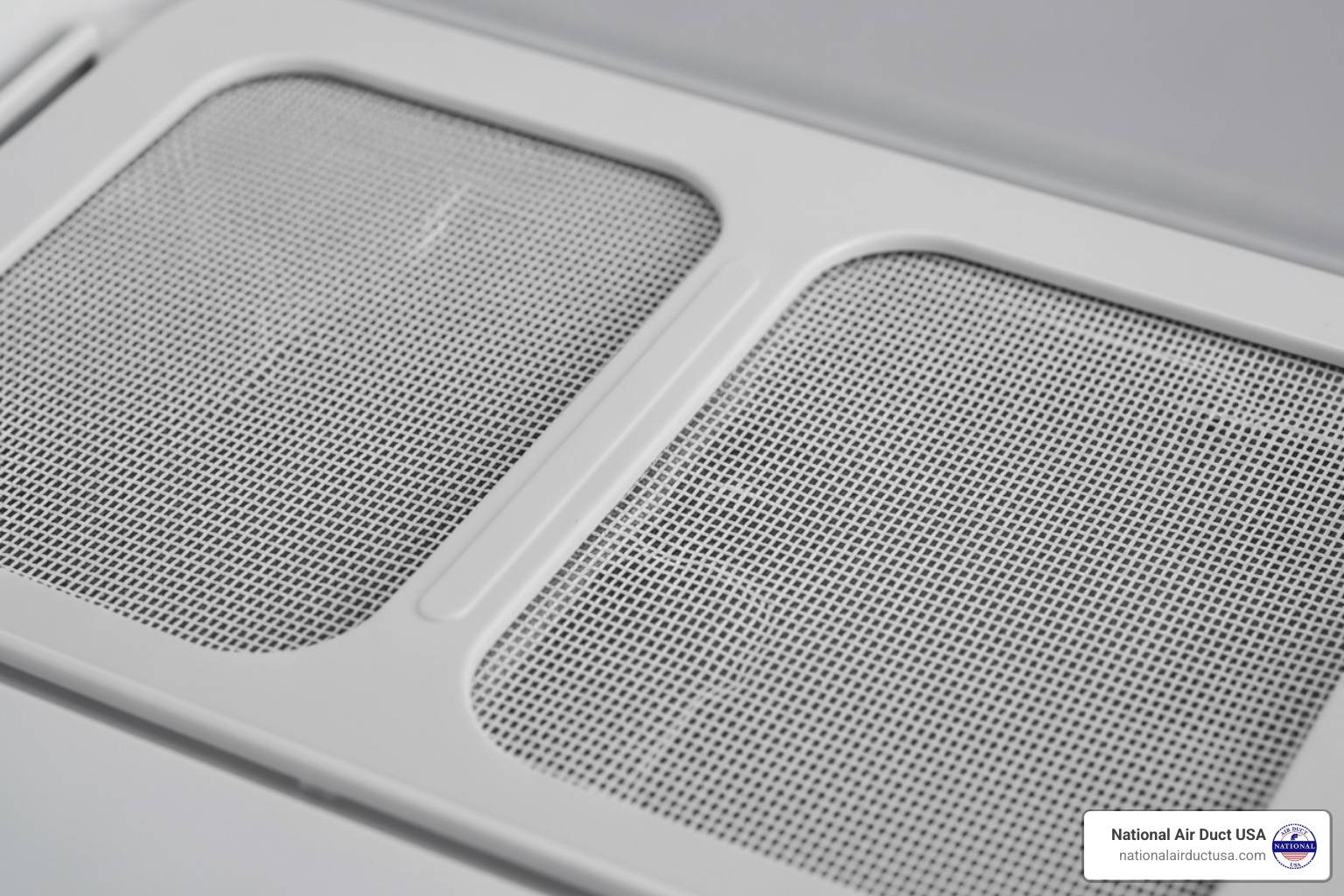
The primary lint filter, the one we’re all (hopefully!) familiar with, acts as the bouncer. It’s usually a mesh screen, often located right inside the dryer door. Its main job is to catch the larger, more obvious lint and fibers that come off your clothes during a cycle. This prevents most of that fluffy stuff from re-depositing on your garments or, more importantly, from entering the dryer’s internal workings and exhaust system. Cleaning this filter after every load is paramount for both fire safety and drying efficiency.
Now, for condenser and heat pump dryers, we introduce the security guard: the secondary filter. These filters are often much finer and are strategically placed to protect crucial internal components like the condenser unit or evaporator. Their purpose is to capture the smaller, microscopic lint particles that manage to sneak past the primary filter. These tiny particles, if left unchecked, can clog the delicate heat exchangers and evaporators, severely reducing your dryer’s efficiency and potentially damaging its parts.
Effectively, these secondary filters ensure that the air circulating within your dryer’s closed system remains as clean as possible, optimizing performance and extending the life of your appliance. A clean filtration system, from primary to secondary, also contributes to better indoor air quality by minimizing the release of microfibers and other airborne pollutants into your home. This is especially important for our overall home’s air circulation, much like keeping your HVAC System Cleaning up to snuff for healthier air throughout your Long Island or Westbury home.
The Ultimate Guide to Cleaning Your Dryer Filters
Regular cleaning of your tumble dryer exhaust filter system isn’t just a chore; it’s a vital part of home safety and appliance longevity. But how do you know when it’s time for a deep clean?
Signs of a clogged filter:
We’ve all been there – clothes are still damp after a full cycle, or the laundry room feels unusually warm. These are your dryer’s distress signals! Here are the tell-tale signs that your filters are crying out for attention:
- Longer Drying Times: This is the most common indicator. If your clothes are taking significantly longer to dry than usual, it’s a strong sign that airflow is restricted due to a clogged filter.
- Hot Exterior: The top of your dryer, or even the laundry room itself, feels unusually hot. This means heat isn’t escaping properly and is building up within the machine.
- Burning Smell: This is a red flag! A burning smell during operation can indicate lint buildup that is overheating, posing a serious fire hazard. Address this immediately.
- Error Codes: Some modern dryers will display specific error codes related to airflow restrictions or filter blockages. Consult your dryer’s manual if you see one.
- Reduced Airflow: If you can feel less air exiting your external dryer vent, or if the vent flap isn’t opening fully, filters could be part of the problem.
Tools and materials needed:
Gathering your supplies before you start will make the process much smoother. You’ll generally need:
- A soft-bristled brush (an old toothbrush works wonders for tight spots)
- A vacuum cleaner with a hose attachment (crevice tool is ideal)
- Mild dish soap (for washable filters)
- Warm water
- A clean cloth
- Protective gloves (especially for heat pump fins)
Step-by-Step: Cleaning Your Tumble Dryer Exhaust Filter
Cleaning your dryer’s filters is a straightforward process, but safety always comes first!
- Safety Precautions: First and foremost, always unplug your dryer from the power outlet before you begin any cleaning or maintenance. For gas dryers, turn off the gas supply valve. Allow the dryer to cool down completely, especially if it was recently used.
- Removing the Filter:
- Primary Lint Filter: Open your dryer door. The primary filter is usually a pull-out screen or a compartment you lift upwards. Some filters might fold open like a book.
- Secondary Filters (Condenser/Heat Pump): For these, you’ll typically find an access panel or kick plate at the bottom front of your dryer. Open or remove this panel to reveal the secondary filter or condenser unit.
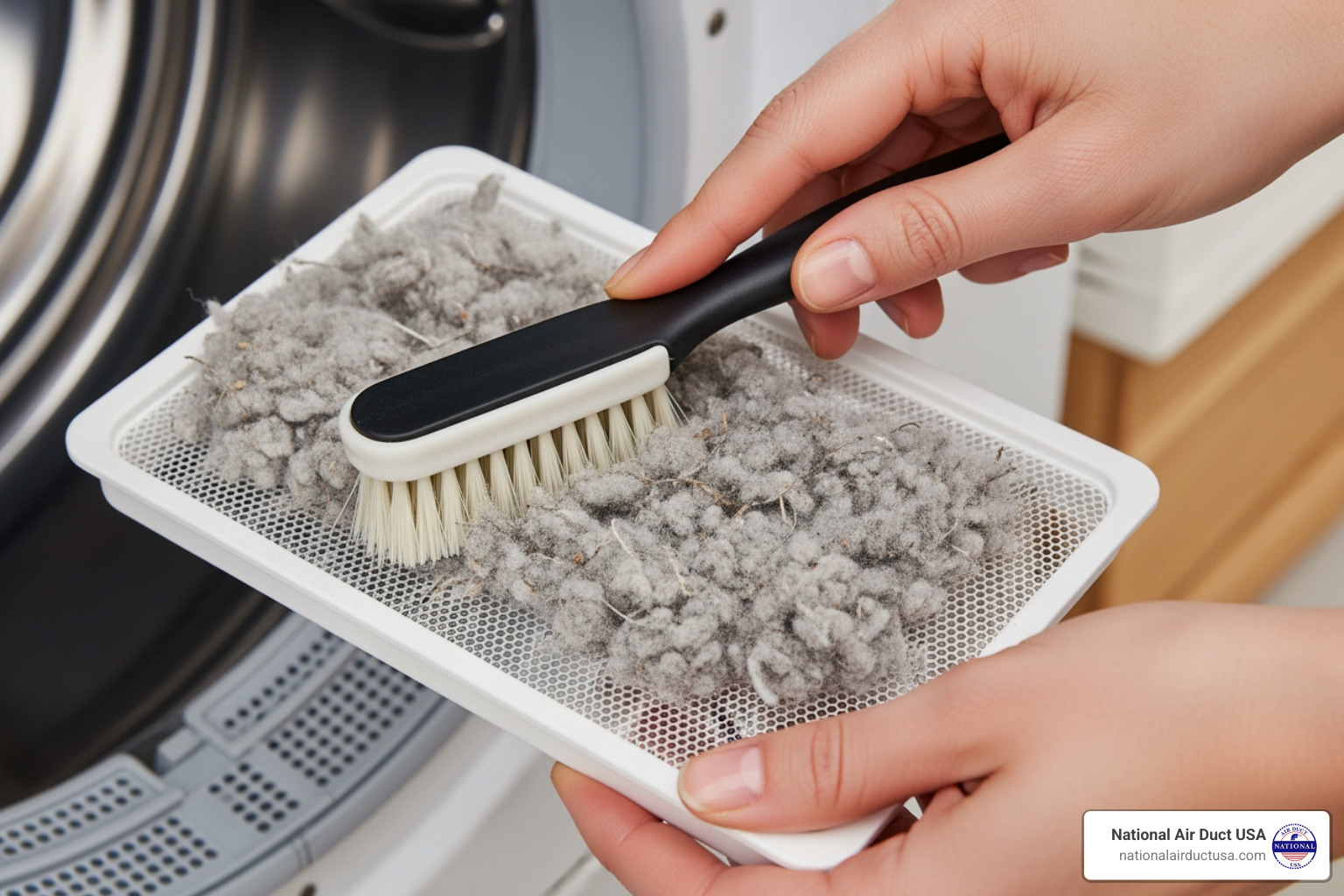
- Manual Lint Removal: For both primary and secondary filters, start by gently removing as much visible lint, fluff, and hair as you can by hand. It’s often satisfying to peel off a thick layer of lint!
- Washing the Filter (if needed): If your filter (especially the primary one) has a greasy residue from fabric softeners or detergents, or if it’s heavily clogged and won’t come clean by hand, it’s time for a wash.
- Hold the filter under warm, running water.
- Apply a small amount of mild dish soap and gently scrub with a soft brush to dislodge stubborn residue.
- Rinse thoroughly until water runs clear and freely through the mesh.
- Drying the Filter Completely: This step is crucial! Operating your dryer with a wet filter can lead to mold growth, unpleasant odors, and decreased drying performance. Allow the filter to air dry completely before reinserting it. This might take several hours, so plan accordingly.
- Cleaning the Filter Housing: While the filter is out, use your vacuum cleaner with a narrow attachment to clean out the area where the filter sits. Lint can accumulate in this housing, restricting airflow even if the filter itself is clean.
Cleaning Condenser and Heat Pump Secondary Filters
These filters require a bit more attention, but they’re just as important for your dryer’s health and efficiency.
- Accessing the Lower Filter Unit: As mentioned, you’ll need to open the access panel or kick plate at the bottom of your condenser or heat pump dryer. You might see a handle or clips that allow you to pull out the filter unit.
- Rinsing the Condenser Block (Condenser Dryers): If you have a condenser dryer, you’ll typically remove a large block-like unit. Take this to a sink or shower and rinse both sides thoroughly with warm water, allowing the water to run through until it’s clear and free of lint and debris. Be gentle, as the fins can be delicate. Let it air dry completely before returning it to the dryer.
- Cleaning the Evaporator Filter (Heat Pump Dryers): For heat pump dryers, you’ll usually find an evaporator filter drawer. Remove this. You might also see evaporator fins inside the compartment. Use a soft brush or a vacuum cleaner with a brush attachment to gently clean these fins. Be cautious, as these fins can be sharp, so wearing protective gloves is a good idea. The filter itself can often be cleaned with a vacuum or a damp sponge, and rinsed if heavily soiled. Again, ensure everything is bone dry before reassembly.
- Using a Vacuum or Soft Brush: For any remaining lint or dust in the compartments after removing the main units, a vacuum cleaner with a crevice tool or a soft brush is your best friend.
While cleaning these filters ourselves is a great first step, the entire exhaust path needs attention. For a truly deep clean of the entire duct system, we recommend professional Dryer Vent Cleaning. Our certified technicians in Long Island and Westbury have the specialized tools to reach every nook and cranny of your dryer vent system.
What to Do if Your Tumble Dryer Exhaust Filter is Damaged
Even with the best care, filters can wear out or get damaged. This is a problem you shouldn’t ignore.
- Inspecting for Tears or Holes: Whenever you clean your tumble dryer exhaust filter, take a moment to inspect the mesh for any tears, holes, or signs of warping. A damaged filter won’t effectively catch lint, allowing it to bypass the filtration system and enter your dryer’s internal components or exhaust ductwork.
- Replacement Options: If you find damage, it’s time for a replacement. You can usually find replacement filters through your dryer’s manufacturer, appliance parts stores, or online retailers. Make sure to have your dryer’s model number handy to ensure you get the correct part.
- Importance of a Proper Fit: A new filter must fit snugly and securely in its designated slot. A loose or ill-fitting filter can still allow lint to escape, defeating its purpose. Operating your dryer with a damaged or improperly fitted filter can lead to significant lint buildup in places it shouldn’t be, increasing fire risks and reducing efficiency. If you’re replacing parts of your dryer ductwork, remember the importance of proper installation for safety and performance, which you can learn more about in our guide to Dryer Duct Installation.
The Hidden Dangers of a Neglected Filter
Ignoring your tumble dryer exhaust filter is like ignoring a ticking time bomb in your laundry room. The consequences range from annoying inefficiencies to severe safety hazards.
Fire Hazard Statistics: Let’s not sugarcoat it: clothes dryer lint is highly combustible. The U.S. Fire Administration reports approximately 2,900 clothes dryer fires annually in the U.S., resulting in deaths, injuries, and an estimated $35 million in property loss. The top source of these fires? A basic failure to clean dryer vents and filters. This isn’t just a distant statistic; it’s a very real risk for homes right here in Long Island and Westbury.
Reduced Energy Efficiency & Increased Utility Bills: A clogged filter restricts airflow, forcing your dryer to work harder and longer to dry clothes. This translates directly to higher energy consumption and, you guessed it, increased utility bills. A clogged filter means your machine will use more energy, costing you more.
Poor Drying Performance: If your clothes are still damp after a full cycle, or feel unusually hot, a clogged filter is a likely culprit. The restricted airflow prevents proper moisture removal, leading to inefficient drying.
Unpleasant Odors & Mold Growth: Trapped lint and moisture create a breeding ground for mold and mildew. This can lead to musty odors that transfer to your freshly “cleaned” laundry and permeate your home.
Shortened Appliance Lifespan: When your dryer has to work overtime due to blocked filters, its components experience increased wear and tear. This can lead to premature breakdowns and a shortened lifespan for your appliance, meaning you’ll be shopping for a new dryer sooner than you’d like.
How Lint Buildup Creates a Fire Hazard
It sounds dramatic, but it’s true: lint is essentially tiny, fluffy fuel.
Lint accumulation, especially in the exhaust ductwork beyond the primary filter, is incredibly dangerous. As your dryer runs, it generates heat. When lint builds up, it traps this heat, causing temperatures to rise. Given the right conditions – a combination of heat, reduced airflow, and highly flammable lint – it can self-ignite. This is how a routine laundry day can turn into a devastating house fire.
Even if lint gets past the main screen in the dryer, a secondary lint trap (if present) helps capture it, preventing it from clogging the ductwork. This is why regular cleaning of all filters and the entire vent system is critical. The science behind what makes up this lint is fascinating and a bit concerning; lint is composed of microfibers that can contain chemicals from common household products. You can dig deeper into the Scientific research on microfiber pollution if you’re curious about the impact of these tiny particles. The U.S. Fire Administration’s statistics serve as a stark reminder of the very real dangers involved.
The Impact on Your Home’s Air Quality
Beyond fire risks, your dryer’s exhaust system, or lack thereof, can significantly impact the air you breathe at home.
When lint escapes the dryer’s filtration system and isn’t properly vented outside, it can contribute to indoor air pollution. This lint is more than just fabric fibers; it’s a mix of microfibers, dust, and potentially chemicals from detergents and fabric softeners. These airborne particles can become allergens and irritants, affecting sensitive individuals or contributing to general poor indoor air quality.
Think about it: the fuzz that you find on your clothes is also floating in the air. Dryer lint can contain chemicals from common household products and other substances picked up from your surroundings. This is why it’s so important to have a properly functioning exhaust system and clean filters. For more insights into this, check out “House Dust and Laundry Lint – Tiny Terrors of Environmental Health”, which explains what these tiny particles contain and what you can do. The University of Rochester Medical Center also notes that “Indoor Air Can Cause Health Problems”, highlighting the broader implications of airborne pollutants. And if you’re concerned about the environmental aspect, the EPA has a helpful guide on “What You Should Know About Microfiber Pollution”.
Ensuring your dryer vents are clean and sealed, and that your filters are doing their job, is crucial for maintaining healthy air in your Long Island or Westbury home. If you’re concerned about overall air quality, our Air Duct Cleaning services can help address other sources of airborne contaminants throughout your HVAC system.
Frequently Asked Questions about Dryer Filter Maintenance
We get a lot of questions about dryer maintenance, and these are some of the most common when it comes to filters.
How often should I clean my tumble dryer exhaust filter?
The frequency of cleaning depends on the type of filter and how often you use your dryer.
- Primary Filter Cleaning Frequency: This one is simple: after every single load. Make it a habit. It takes mere seconds, and it’s the most impactful step you can take to prevent fires and maintain efficiency. If you’re not doing this already, start today!
- Secondary Filter Cleaning Schedule: For condenser and heat pump dryers, we recommend cleaning these secondary filters (condenser or evaporator filters) monthly or at least quarterly, depending on usage. If you do a lot of laundry, or frequently wash items that produce a lot of lint (like towels or pet bedding), you might need to clean them more often.
- Factors Affecting Frequency:
- Usage: A household that does laundry daily will need more frequent cleaning than one that does it once a week.
- Fabric Types: Fuzzy items like towels, fleece, and flannel produce significantly more lint than smoother fabrics.
- Pets: If you have pets, their hair will contribute to lint buildup, necessitating more frequent cleaning.
Can I run the dryer without a filter?
Absolutely not! This is a big no-no and incredibly dangerous.
- Dangers of Operating Without a Filter: Running your dryer without its primary tumble dryer exhaust filter (or any other designed filter) allows lint to bypass the intended collection points. This lint will then enter the dryer’s internal mechanisms, accumulate on heating elements, in the exhaust ductwork, or clog the condenser/evaporator.
- Fire Risk: Lint buildup on heating elements or in the exhaust path is a primary cause of dryer fires. Without a filter, this buildup accelerates rapidly.
- Damage to Components: Lint can gum up motors, block sensors, and severely impact the function and lifespan of internal components.
- Voiding Warranty: Most dryer manufacturers explicitly state that operating the appliance without its filters in place will void the warranty. Don’t risk it!
What’s the difference between cleaning the filter and cleaning the vent?
This is a critical distinction that many homeowners miss. While both are essential, they address different parts of the dryer’s exhaust system.
- Filter Cleaning as a User Task: Cleaning the tumble dryer exhaust filter (primary and secondary) is a routine, user-level maintenance task. It’s something you, the homeowner, can easily do yourself with minimal tools. It focuses on the internal components of the dryer that are designed to be user-accessible for lint removal.
- Vent Cleaning as a Deeper Maintenance Task: Cleaning the dryer vent, on the other hand, refers to clearing the entire exhaust ductwork that runs from the back of your dryer to the outside of your home. This duct can be many feet long, have bends and turns, and accumulate significant amounts of lint over time, even with diligent filter cleaning. This task often requires specialized brushes, powerful vacuums, and expertise to ensure all lint is removed without damaging the ductwork.
- The Entire Exhaust Path: Think of it this way: the filter is like brushing your teeth after every meal, but vent cleaning is like getting a professional dental cleaning once a year. Both are important for overall health!
- When to Call a Dryer Vent Cleaning Company: We recommend professional dryer vent cleaning at least once a year. If you notice any of the warning signs we discussed earlier (longer drying times, hot dryer, burning smell), or if your dryer vent hose is made of plastic, vinyl or foil (which are more prone to clogging and fire hazards), it’s definitely time to call in the experts. Our NADCA-certified technicians at National Air Duct USA are equipped to thoroughly clean your entire dryer vent system in Long Island and Westbury, ensuring optimal safety and efficiency.
Conclusion
We’ve covered a lot about your tumble dryer exhaust filter system today! From understanding the different types of filters in various dryers to the step-by-step cleaning process, and the serious consequences of neglect, we hope you feel empowered to keep your dryer running safely and efficiently.
A clean filter system translates directly to:
- Improved Safety: Significantly reducing the risk of a dangerous dryer fire.
- Improved Efficiency: Your dryer will work smarter, not harder, leading to faster drying times.
- Lower Energy Bills: An efficient dryer uses less energy, saving you money.
- Extended Appliance Lifespan: Regular maintenance helps your dryer last longer.
- Better Indoor Air Quality: Minimizing airborne lint and microfibers in your home.
While you can certainly handle the routine cleaning of your dryer’s filters, the entire exhaust vent system requires a deeper level of care. For a comprehensive cleaning of your entire dryer vent system, the certified technicians at National Air Duct USA ensure optimal safety and performance for homes and businesses across Long Island and Westbury. Our experts have the tools and experience to tackle even the toughest lint buildup, giving you peace of mind.
Don’t wait until you see the warning signs. Make regular filter cleaning a habit, and for the health of your home and your dryer, consider scheduling a professional vent cleaning annually. To learn more about how we can help you achieve a safer, more efficient home, Explore our professional cleaning services today!