Why Your Dryer Vent Cover Outside Matters More Than You Think
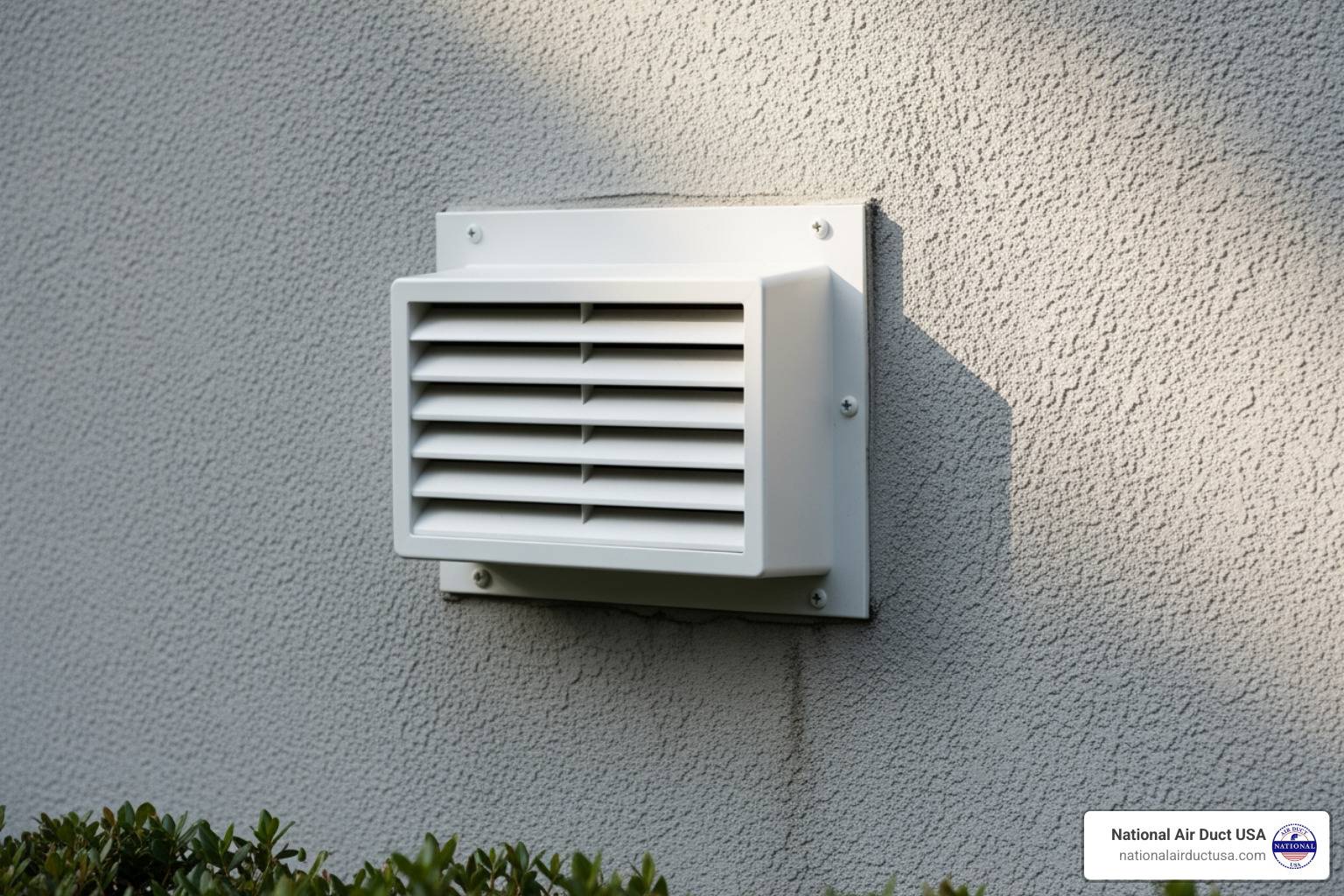
A dryer vent cover outside is the protective cap over your dryer’s exterior exhaust. It prevents rain, pests, and debris from entering while allowing hot, moist air to escape safely.
What to look for when choosing an exterior dryer vent cover:
- Louvered or automatic-closing flaps to prevent backdrafts.
- Pest guard or cage design to block birds, rodents, and insects.
- Durable material like UV-resistant plastic or rust-resistant metal.
- Proper size, which is typically a standard 4-inch diameter.
- Easy-clean access for simple lint removal.
If your dryer takes longer to dry clothes, feels hot, or you notice a burning smell, your vent cover might be clogged. Approximately 2,900 clothes dryer fires are reported annually in the U.S., causing $35 million in property loss. Many of these fires start with lint buildup from poorly maintained vent covers.
Choosing the right dryer vent cover is a straightforward way to improve your dryer’s efficiency and your home’s safety. This guide will help you select, install, and maintain the best one for your needs.
Basic dryer vent cover outside glossary:
Why an Exterior Dryer Vent Cover is a Non-Negotiable Home Essential
The dryer vent cover outside your home is a critical component for safety, efficiency, and comfort. While it may seem small, this often-overlooked cap is a non-negotiable home essential, especially for homeowners in Long Island.
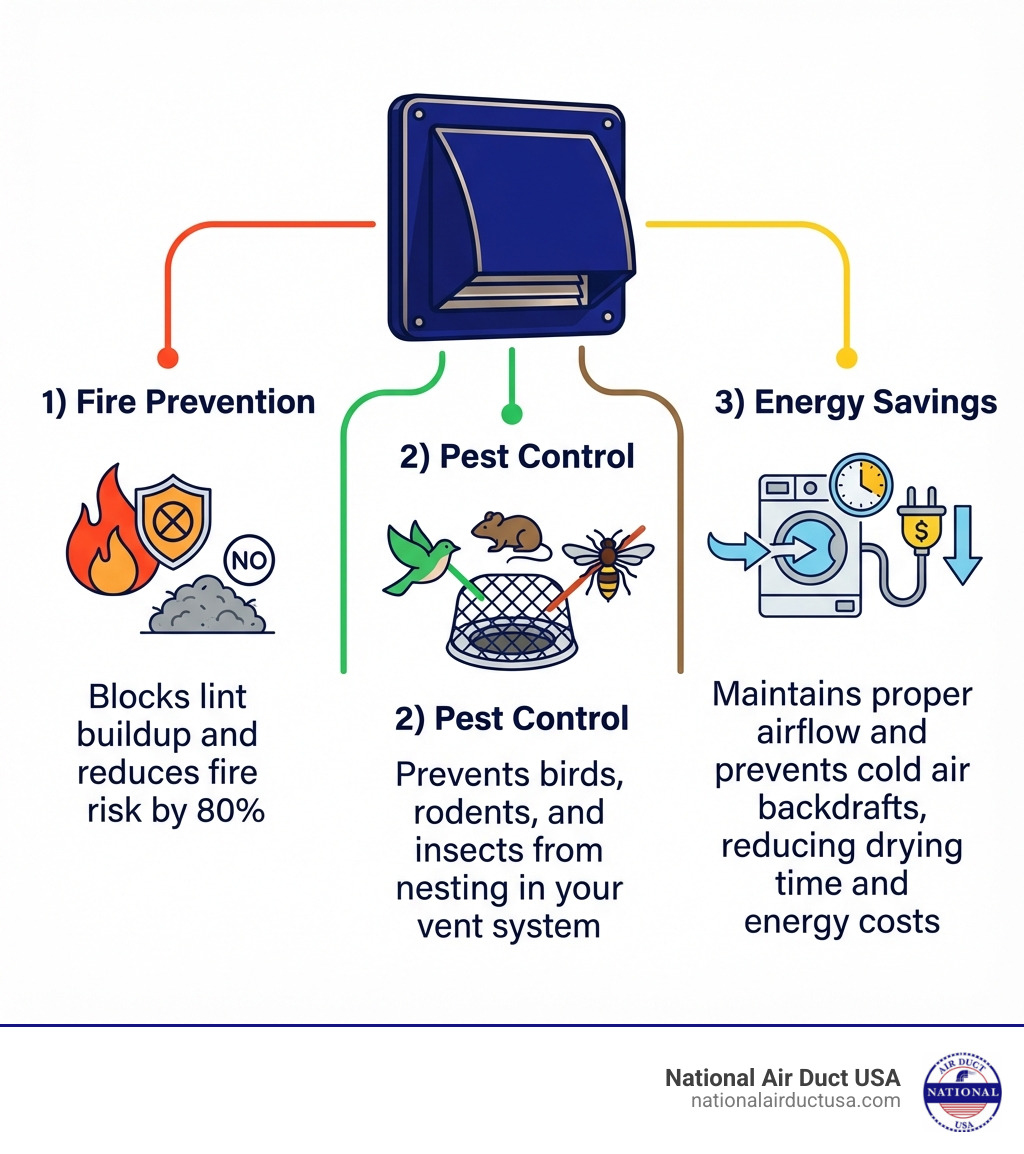
- Fire Prevention: A properly installed cover is a frontline defense against fire. The primary cause of the 2,900 clothes dryer fires reported annually in the U.S. is lint buildup. A functional cover helps prevent this accumulation, significantly reducing fire risk.
- Pest Control: An unprotected dryer vent is an easy entry point for birds, rodents, and insects. These pests can build nests, cause blockages, and create unsanitary conditions. A sturdy dryer vent cover outside acts as a barrier, keeping unwanted guests out.
- Weather Protection: In New York, a proper cover is essential for blocking cold air, snow, and rain. This prevents drafts that increase energy bills and keeps moisture out of your ductwork, which can lead to mold growth.
- Energy Efficiency: When airflow is restricted by a faulty cover or lint buildup, your dryer works harder and longer. A clean, unobstructed vent allows your dryer to operate efficiently, reducing drying times and lowering utility bills. For more on this, see this guide on Proper Clothes Dryer Venting.
- Appliance Longevity: A dryer that constantly struggles against poor ventilation experiences more wear and tear, shortening its lifespan. A functional cover helps your appliance run as intended and ensures your property meets essential habitability standards.
Investing in the right dryer vent cover outside is a smart investment in your home’s safety and your family’s comfort.
Exploring the Types and Materials of Dryer Vent Covers
Choosing the right dryer vent cover outside involves understanding the different types and materials available. Each offers unique advantages for tackling challenges like pest invasions or harsh weather.
Common Types of Dryer Vent Covers
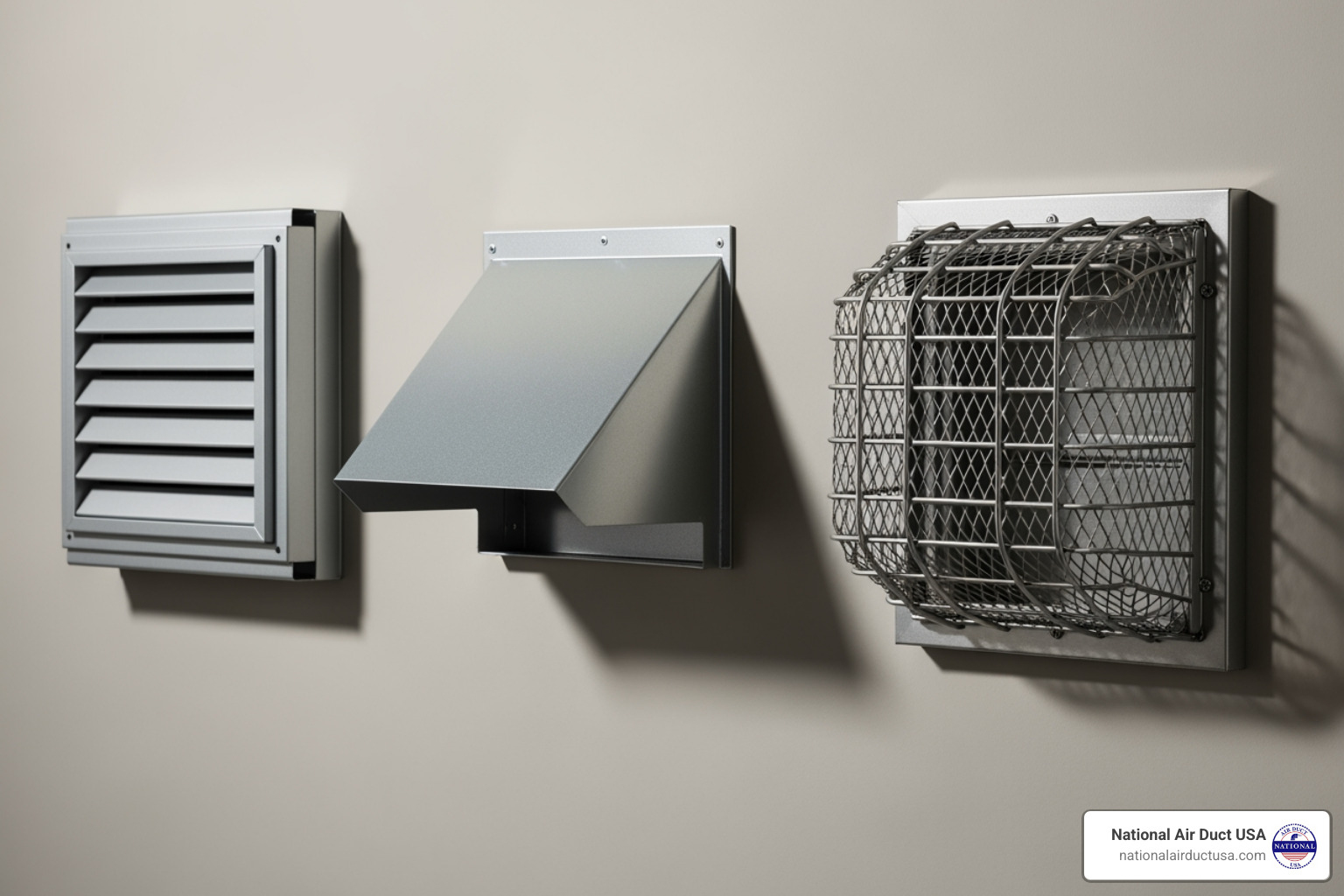
The design of your dryer vent cover plays a crucial role in its effectiveness. Here are the most common types:
- Louvered Vents: These common covers have slats (louvers) that open with airflow and close when the dryer is off, preventing backdrafts and pests.
- Hooded Vents: A single flap opens outward, protected by a hood that shields the opening from rain and snow. Many include a screen for added pest protection.
- Pest Guard & Cage-Style Vents: These feature a mesh screen or a durable cage to block birds, rodents, and insects. They are highly effective but require regular cleaning to prevent lint buildup.
- Low-Profile Designs: For a more streamlined look, these covers sit closer to the exterior wall while still providing essential protection.
- Automatic Close Vents: These use springs or magnets to ensure a tight seal when the dryer is off, offering superior protection against drafts and pests.
- Draft Blockers: Installed inside the vent pipe, these devices are solely focused on preventing unwanted airflow to improve energy efficiency.
Comparing Common Materials: Plastic vs. Metal
The material of your dryer vent cover outside impacts its durability and longevity. The two main choices are plastic and metal.
| Feature | Plastic Dryer Vent Covers | Metal Dryer Vent Covers |
|---|---|---|
| Pros | – Cost-Effective: Generally more budget-friendly. | – Durability: Highly resistant to impact and extreme weather. |
| – UV-Resistant Options: Many are UV-stabilized to prevent fading and cracking in sunlight. | – Pest Resistance: More difficult for rodents to chew through. | |
| – Paintable: Can be painted to match your home’s exterior. | – Fire Resistance: Non-flammable, adding a layer of safety. | |
| – Lightweight: Easy to install. | – Longevity: Can last for many years without significant degradation. | |
| Cons | – Durability Concerns: Can become brittle and crack over time, especially in harsh climates like ours in Long Island. | – Higher Cost: Generally more expensive than plastic options. |
| – Pest Vulnerability: Less resistant to chewing from determined rodents. | – Corrosion Risk: Some metals (e.g., galvanized steel) can rust over time, especially in coastal areas. | |
| – Fading: Cheaper plastics may fade or discolor over time. | – Heat Conductivity: Can get hot to the touch during dryer operation. | |
| Best For | Budget-conscious homeowners, milder climates, or those who prefer a specific color match. | Homes in harsh climates, areas with significant pest problems, or those seeking maximum longevity and fire safety. |
| Common Types | ABS, Polypropylene | Stainless Steel, Galvanized Steel, Aluminum |
Plastic Dryer Vent Covers: Modern plastic covers are often made from UV-resistant materials that prevent cracking and fading. Many are paintable, allowing you to match your home’s exterior. While budget-friendly and easy to install, their durability can be a concern in harsh climates like Long Island’s, as some plastics can become brittle over time.
Metal Dryer Vent Covers: Metal options like stainless steel or galvanized steel offer superior durability, pest resistance, and fire safety. Stainless steel is an excellent choice for coastal areas like Long Island due to its anti-rust properties. Though more expensive upfront, metal covers provide better longevity and protection, making them a worthwhile investment.
How to Choose the Perfect Dryer Vent Cover Outside Your Home
Selecting the ideal dryer vent cover outside involves balancing functionality, durability, and your home’s specific needs, especially in the Long Island environment.
Key Features to Look For in a Dryer Vent Cover Outside
When selecting a cover, prioritize features that match your needs. For pest-prone areas, a pest guard screen is essential. For energy efficiency, look for louvered dampers or an automatic closing flap to prevent drafts. In sunny locations, UV resistance is vital for plastic covers to prevent cracking and fading. For aesthetics, a paintable finish allows you to match your home’s color. Finally, for easier maintenance, choose a model with a hinged design or other easy-cleaning access to simplify lint removal.
Sizing and Installing Your Dryer Vent Cover Outside
Proper sizing and installation are critical for your cover to function effectively.
Sizing:
Most residential dryers use a standard 4-inch diameter vent duct, so most dryer vent cover outside products are designed for a 4-inch opening. Always measure your existing duct opening before purchasing to confirm the size.
Installation Requirements:
Installation is often a straightforward DIY task. You’ll typically need a screwdriver, utility knife, and exterior-grade silicone caulk.
- Mounting: The cover screws directly onto the exterior wall. You may need to drill new pilot holes if the screw holes don’t align with the old ones.
- Sealing: This is a crucial step. Use silicone caulk to seal any gaps between the cover and the wall. This prevents drafts, moisture, and pests.
- Compatibility: Check that the cover is compatible with your home’s exterior material (e.g., brick, vinyl, siding).
If you’re not comfortable with the installation or need to replace damaged ductwork, our team can provide professional Dryer Duct Installation to ensure a safe and secure fit in Long Island, Nassau County, and Suffolk County.
Maintenance for Safety and Peak Performance
Even the best dryer vent cover outside needs regular maintenance to keep your dryer running safely and efficiently. This simple chore is a critical step in preventing lint buildup and reducing fire risk.
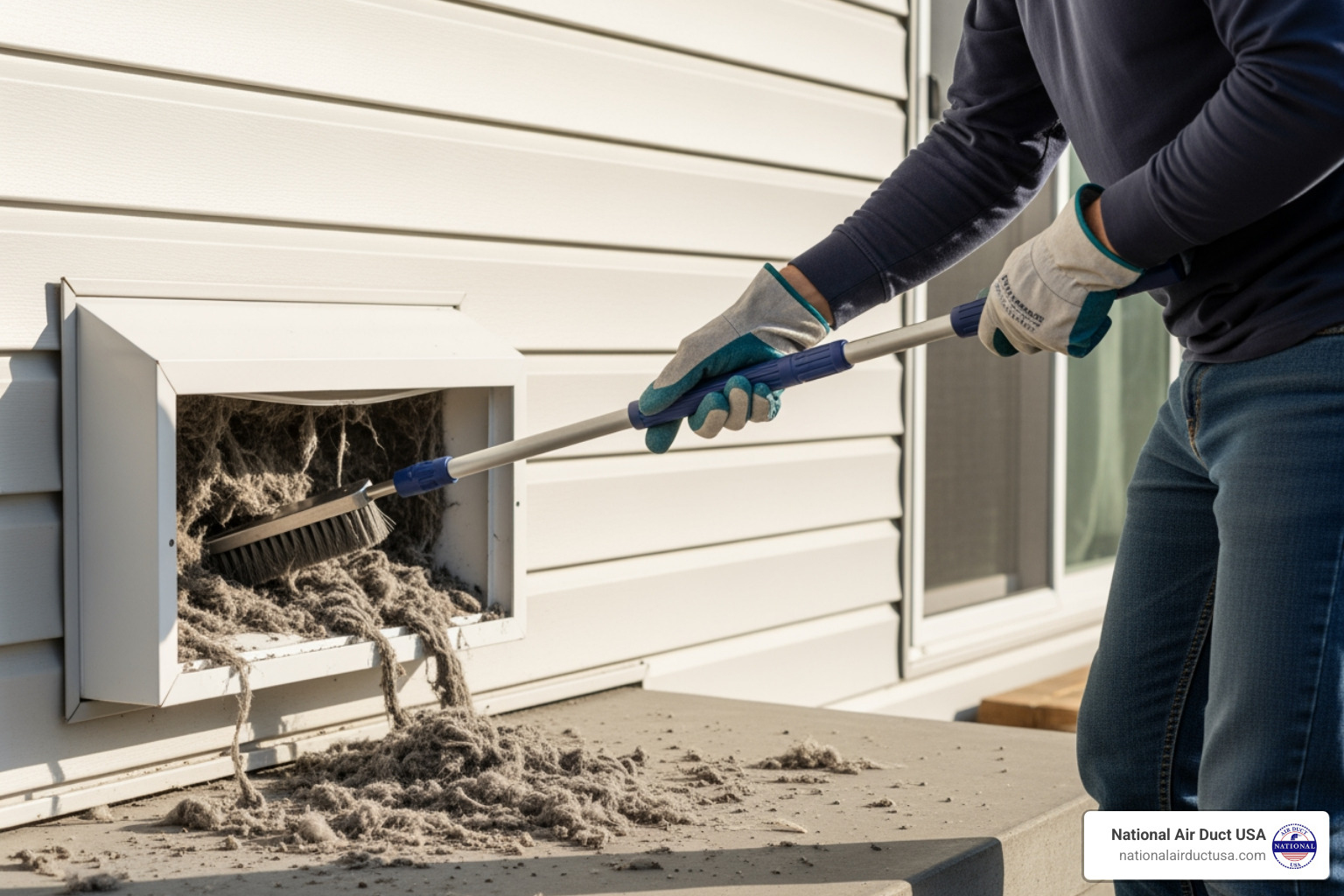
How to Maintain and Clean Your Vent Cover
Regular maintenance of your dryer vent cover outside is critical for safety and efficiency. Clean it at least twice a year, or more often if you have a large family or pets.
Simple Cleaning Steps:
- Unplug the Dryer: Always disconnect the power first.
- Access the Cover: Open the hinged cover or unscrew it from the wall.
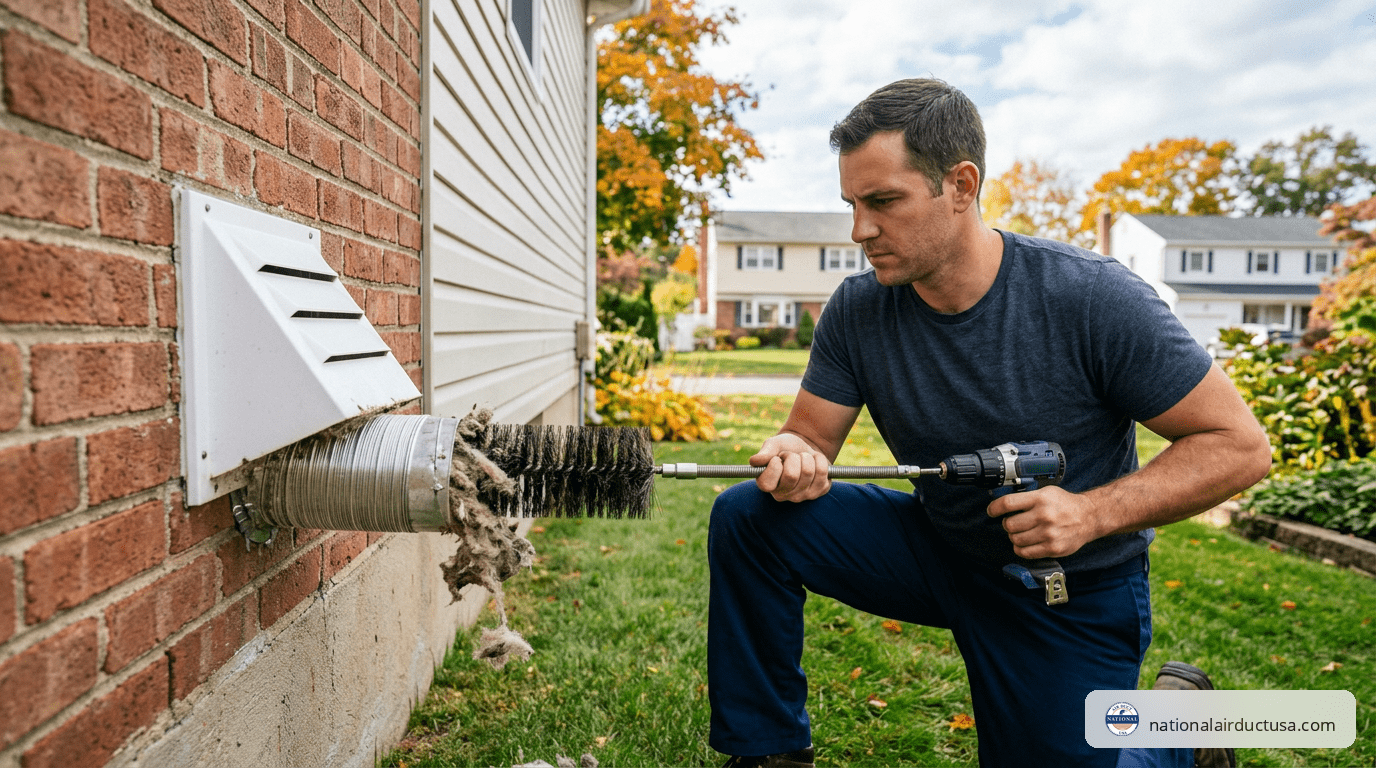
- Clear Debris: Use a brush or vacuum to remove all lint, leaves, and debris from the cover and vent opening, paying special attention to screens and flaps.
- Inspect: Check that flaps move freely and look for any cracks or damage. A damaged cover should be replaced.
- Reattach: Securely close or screw the cover back in place.
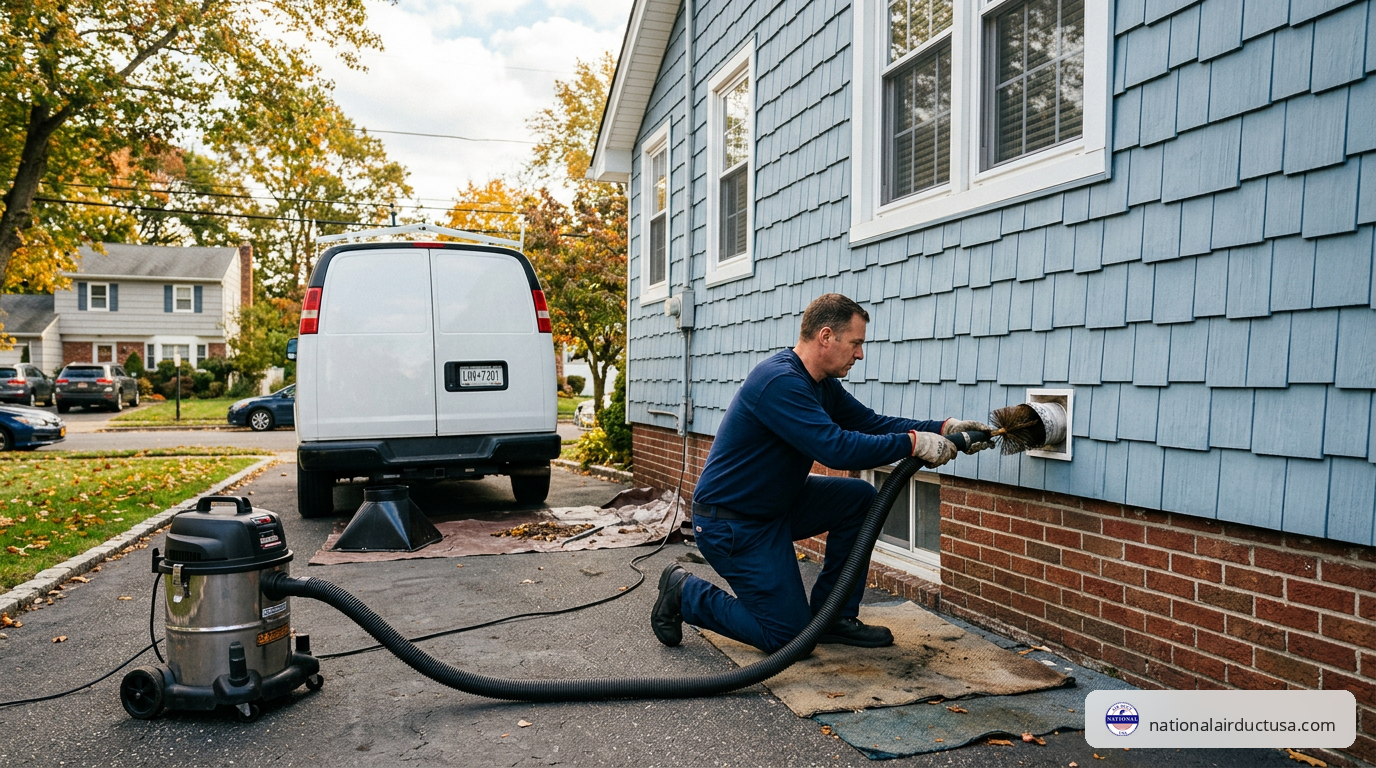
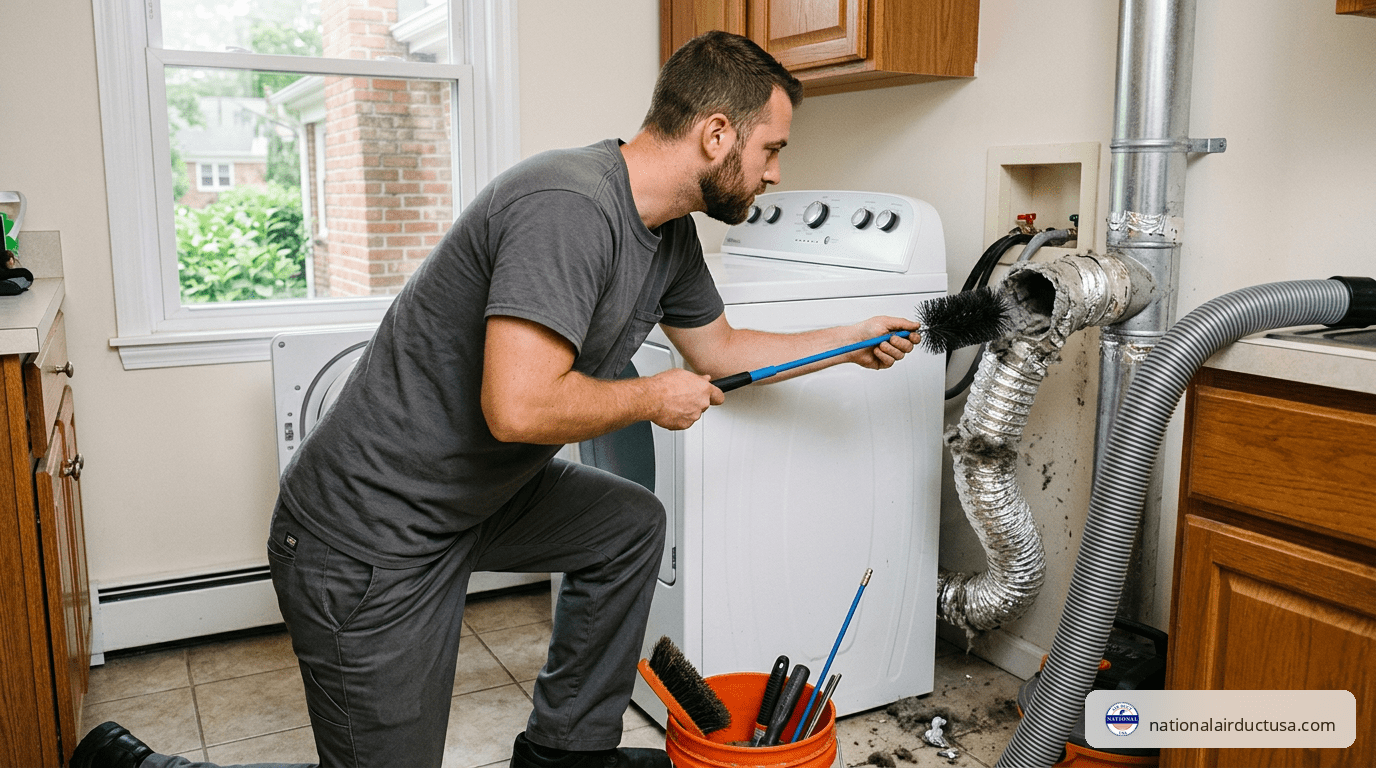
Remember to clean your dryer’s internal lint trap after every use. If you notice lint buildup on the exterior cover, it’s a sign the entire duct system may be clogged. Warning signs like long drying times or a burning smell require immediate attention. For a complete system cleaning, our professional Dryer Vent Cleaning services can help.
When to Call a Professional for Dryer Vent Issues
While cleaning the cover is a good DIY task, some situations require a professional. Call us if you encounter:
- A damaged or missing cover that you’re not comfortable replacing.
- Persistent clogs or poor airflow despite cleaning the lint trap and cover.
- Long or complex vent runs that are difficult to clean without specialized tools.
- A suspected pest infestation in the vent line.
- Improperly installed ductwork (e.g., using vinyl or foil ducts).
Our team at National Air Duct USA serves homeowners throughout Long Island, Nassau County, and Suffolk County. We can diagnose and fix these issues, perform a full Dryer Duct Installation, or provide comprehensive HVAC System Cleaning.
Frequently Asked Questions about Exterior Dryer Vent Covers
We get a lot of questions about dryer vents and their exterior covers. Here are some of the most common questions we hear from homeowners in Long Island and beyond.
Do I really need a dryer vent cap?
Yes, absolutely. A dryer vent cover outside is essential for:
- Fire Safety: It helps prevent flammable lint from building up at the vent opening.
- Pest Prevention: It acts as a physical barrier to keep birds, rodents, and insects out of your home.
- Weather Protection: It blocks rain, snow, and cold drafts, preventing moisture damage and saving energy.
- Energy Efficiency: It stops backdrafts, which helps reduce heating and cooling costs.
A proper cap is a small investment that provides significant protection and peace of mind.
How do I stop birds from nesting in my dryer vent?
To stop birds from nesting in your dryer vent cover outside, follow these steps:
- Install a Pest Guard: The most effective solution is a cover with a built-in pest guard or a cage-style design. These physically block birds while allowing airflow.
- Check Your Flaps: If you have a louvered vent, ensure the flaps close securely when the dryer is off. Clean away any debris that might be keeping them open.
- Inspect Regularly: Periodically check the cover for signs of nesting, especially in the spring.
- Remove Nests Promptly: If you find a nest, remove it completely, clean the vent, and immediately install a pest-proof cover to prevent them from returning.
Important: Never install a screen inside the duct, as it will trap lint and create a fire hazard. The pest guard must be on the exterior cover and accessible for cleaning.
How often should I clean my outside dryer vent cover?
We recommend cleaning your dryer vent cover outside at least twice a year. You should clean it more often (every 2-3 months) if you:
- Use your dryer frequently.
- Have pets that shed.
- Have a cover with a fine mesh pest guard.
A quick visual inspection for lint buildup during yard work is also a good habit. If you notice warning signs of a clog—like longer drying times or a hot dryer—clean the cover immediately and consider a professional dryer vent cleaning service.
Conclusion: Protect Your Home and Boost Your Dryer’s Efficiency
As we’ve explored, the dryer vent cover outside your home is far more than a simple cap; it’s a critical component that safeguards your property, improves energy efficiency, and prevents unwanted guests. From mitigating fire hazards caused by lint buildup to protecting your home from pests and harsh Long Island weather, the right vent cover and its proper maintenance are indispensable.
Choosing wisely involves understanding the different types—louvered, hooded, pest-guarded, and automatic-closing—and selecting materials like UV-resistant plastic or durable metal that can withstand the elements. Remember to prioritize features like easy cleaning access, a secure fit for your 4-inch vent, and a tight seal against your home’s exterior.
Routine cleaning of your dryer vent cover outside is a small task with significant benefits, keeping lint at bay and ensuring optimal airflow. And when the job calls for more than a quick wipe-down—whether it’s a persistent clog, a damaged cover, or a complex vent system—our team at National Air Duct USA is always ready to provide expert, professional cleaning and repair services throughout Long Island, Nassau County, and Suffolk County.
Don’t let a small, overlooked component compromise your home’s safety and your dryer’s performance. For a comprehensive inspection and professional cleaning to ensure your entire dryer vent system is safe and efficient, explore our expert Services today.