Why Indoor Air Quality Matters More Than You Think
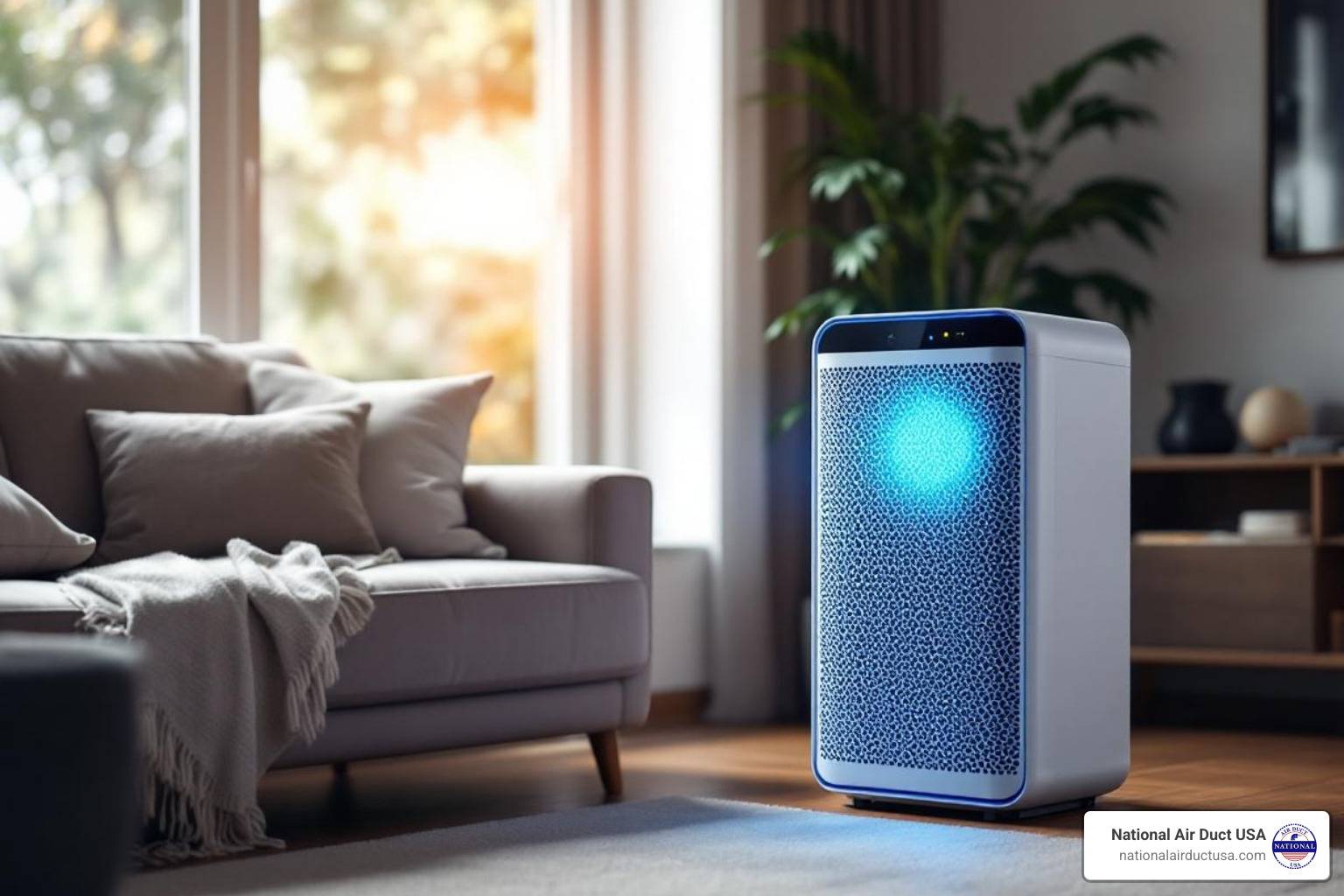
Reduce airborne contaminants in your home or workplace, and you’ll immediately improve health, comfort, and even productivity. The air inside buildings can be 2 to 5 times more polluted than outdoor air, according to the EPA, yet most people spend up to 90% of their time indoors.
Quick Answer: How to Reduce Airborne Contaminants
- Control the source – Remove or seal pollution sources like mold, dust, and chemical storage
- Improve ventilation – Increase fresh air circulation through windows, doors, or HVAC systems
- Clean the air – Use HEPA filters, air purifiers, and professional duct cleaning
- Maintain regularly – Change filters, vacuum with HEPA equipment, and schedule professional inspections
The U.S. Centers for Disease Control estimates that poor indoor air quality costs businesses $60 billion annually in lost productivity. For homeowners on Long Island, the impact is more personal: unexplained headaches, persistent allergies, or family members who seem constantly sick.
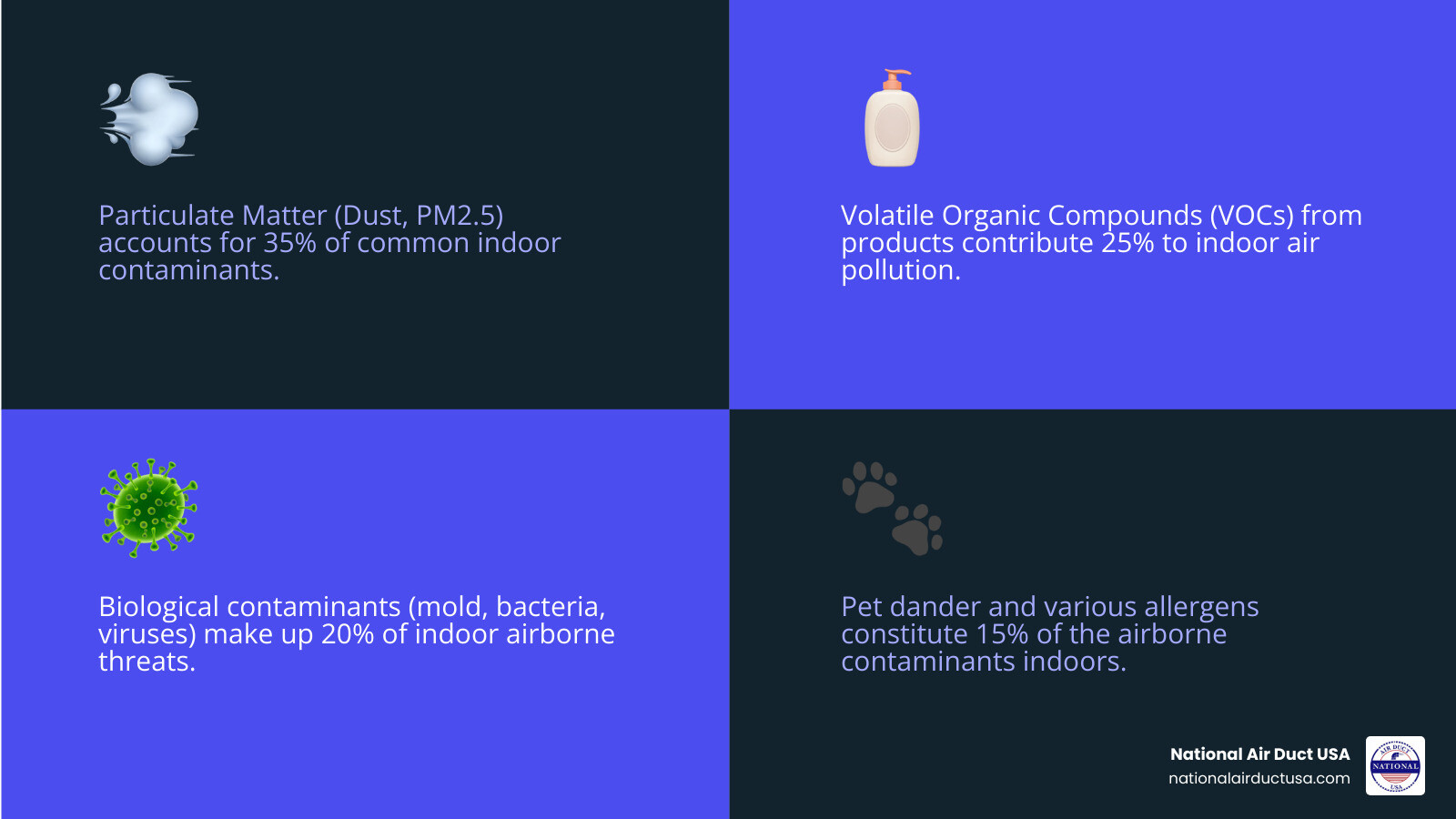
The invisible culprits floating in your air include dust mites, mold spores, pet dander, pollen, and volatile organic compounds (VOCs) from cleaning products and building materials. Some of these particles are so small – less than 2.5 micrometers – they bypass your body’s natural defenses and penetrate deep into your lungs.
The good news? You don’t need expensive equipment or a complete home renovation to make a real difference. A layered approach combining source control, better ventilation, and targeted air cleaning can dramatically improve your indoor environment.
This guide walks you through proven strategies backed by research from organizations like the EPA, CDC, and ASHRAE. Whether you’re dealing with persistent allergies in your Westbury home or want to create a healthier workplace, you’ll find practical, actionable steps to clear the air.
Quick Reduce airborne contaminants terms:
Understanding the Invisible Threat: Common Airborne Contaminants and Their Risks
We often think of air pollution as something outside, like smog or car exhaust. But the air inside our homes and workplaces in Nassau County can harbor a surprising array of contaminants, significantly impacting our health and well-being. Understanding what these contaminants are and the risks they pose is the first step in learning how to reduce airborne contaminants effectively.

Primary Types of Workplace Contaminants
Airborne contaminants aren’t just one thing; they come in many forms, each with its own set of challenges. In workplaces, these can be particularly diverse due to various industrial processes or even everyday office activities.
- Dusts: From construction sites in Garden City to manufacturing facilities in Hempstead, dust is a common culprit. This includes fine particulate matter (PM2.5), which can come from construction activities, manufacturing processes, milling, or even just everyday foot traffic. These tiny particles can bypass our body’s natural defenses and lodge deep in our lungs.
- Fumes & Vapors: Chemical fumes from paints, solvents, cleaning products, and even office equipment can release volatile organic compounds (VOCs). Vapors can also arise from various chemical processes or even cooking.
- Gases: Carbon monoxide from faulty combustion appliances, nitrogen dioxide from gas stoves, and even radon (a naturally occurring radioactive gas) can accumulate indoors.
- Biological Agents: These are living organisms or their byproducts. This category includes bacteria, viruses (like those causing the common cold or flu), mold spores, and pollen. Mold, in particular, thrives in damp environments and can grow unseen in HVAC systems or behind walls. Our research notes that contaminants can include gases, vapors, liquid droplets, and solid particulates, including microorganisms and pollens.
- Smoke & Exhaust Fumes: Tobacco smoke, wood smoke from fireplaces, and vehicle exhaust fumes (if they infiltrate indoor spaces) contribute harmful particles and gases.
The U.S. Department of Energy’s Energy Saver guide notes that contaminants can include gases, vapors, liquid droplets, and solid particulates, including microorganisms and pollens. For a comprehensive overview of various indoor air contaminants and their sources, you can refer to scientific research on indoor air contaminants and health.
Health Risks Associated with Poor Air Quality
Exposure to these common airborne contaminants can lead to a range of health issues, from mild irritation to severe, long-term diseases. The severity often depends on the type of contaminant, its concentration, and the duration of exposure.
- Short-term effects: Many people experience immediate symptoms when indoor air quality is poor. These can include headaches, dizziness, fatigue, and irritation of the eyes, nose, and throat. For example, high levels of carbon dioxide can lead to sluggishness and difficulty concentrating.
- Allergies and Asthma Triggers: For individuals with allergies or asthma, airborne contaminants like pollen, dust mites, pet dander, and mold spores are major triggers. Exposure can lead to sneezing, coughing, wheezing, and aggravated asthma symptoms. Our FAQ page mentions that dirty air ducts can cause respiratory issues, sore throats, allergies, and heightened autoimmune disorders. Many doctors recommend air duct cleaning for allergy sufferers.
- Respiratory Diseases: Long-term or high-level exposure to particulate matter and other irritants can contribute to the development or worsening of chronic respiratory conditions like bronchitis and emphysema.
- More Severe Illnesses: Some contaminants, like asbestos (from older building materials) or radon, pose serious long-term health risks, including various cancers. Biological agents like certain bacteria and viruses can cause acute infections. In fact, exposure to toxins or infectious substances in the workplace can occur through inhalation, absorption through the skin, or ingestion.
Understanding these risks underscores the importance of proactive measures to reduce airborne contaminants in any indoor space, whether it’s your home in Freeport or your office in Hicksville.
The Foundation of Clean Air: Source Control and Good Housekeeping
When it comes to improving indoor air quality, the most effective and often most cost-efficient strategy is to eliminate or reduce the sources of contamination. We call this “source control.” Think of it as shutting off the tap before trying to mop up the spill. Coupled with diligent good housekeeping practices, source control lays a strong foundation for cleaner air.
Best Practices for Source Control
Source control involves directly addressing where contaminants originate. It’s about being proactive rather than reactive.
- Identifying Pollution Sources: The first step is to identify what’s actually polluting your air. This might involve noticing a musty smell indicating mold, or identifying certain products that cause irritation.
- Material Substitution: Where possible, choose materials and products that emit fewer contaminants. For instance, opt for low-VOC paints, furniture, and cleaning supplies. Our research highlights that source control is usually the most effective way to improve indoor air quality.
- Enclosure and Isolation: For unavoidable sources, containing them can prevent widespread contamination. If you have older building materials containing asbestos, sealing or enclosing them safely is crucial. Our EPA research suggests sealing or enclosing sources like those containing asbestos.
- Adjusting Gas Stoves: Ensure gas stoves are properly adjusted and maintained to decrease emissions of nitrogen dioxide and carbon monoxide.
- Storing Chemicals Properly: Store paints, solvents, and other hazardous materials in designated, well-ventilated areas, preferably outdoors or in a detached shed, to prevent their fumes from circulating indoors. When undertaking activities that generate high levels of pollutants, such as painting or welding, consider doing them outdoors if possible.
- Preventing Mold Growth: Control humidity levels, fix leaks promptly, and ensure good ventilation in bathrooms and kitchens. Overly damp soil from houseplants can also promote mold growth, so don’t overwater them.
How to Reduce Airborne Contaminants with Good Housekeeping
Even with excellent source control, dust, dander, and other particles will inevitably accumulate. That’s where good housekeeping comes in. Regular and effective cleaning practices are vital to reduce airborne contaminants that settle on surfaces and can become re-suspended in the air.
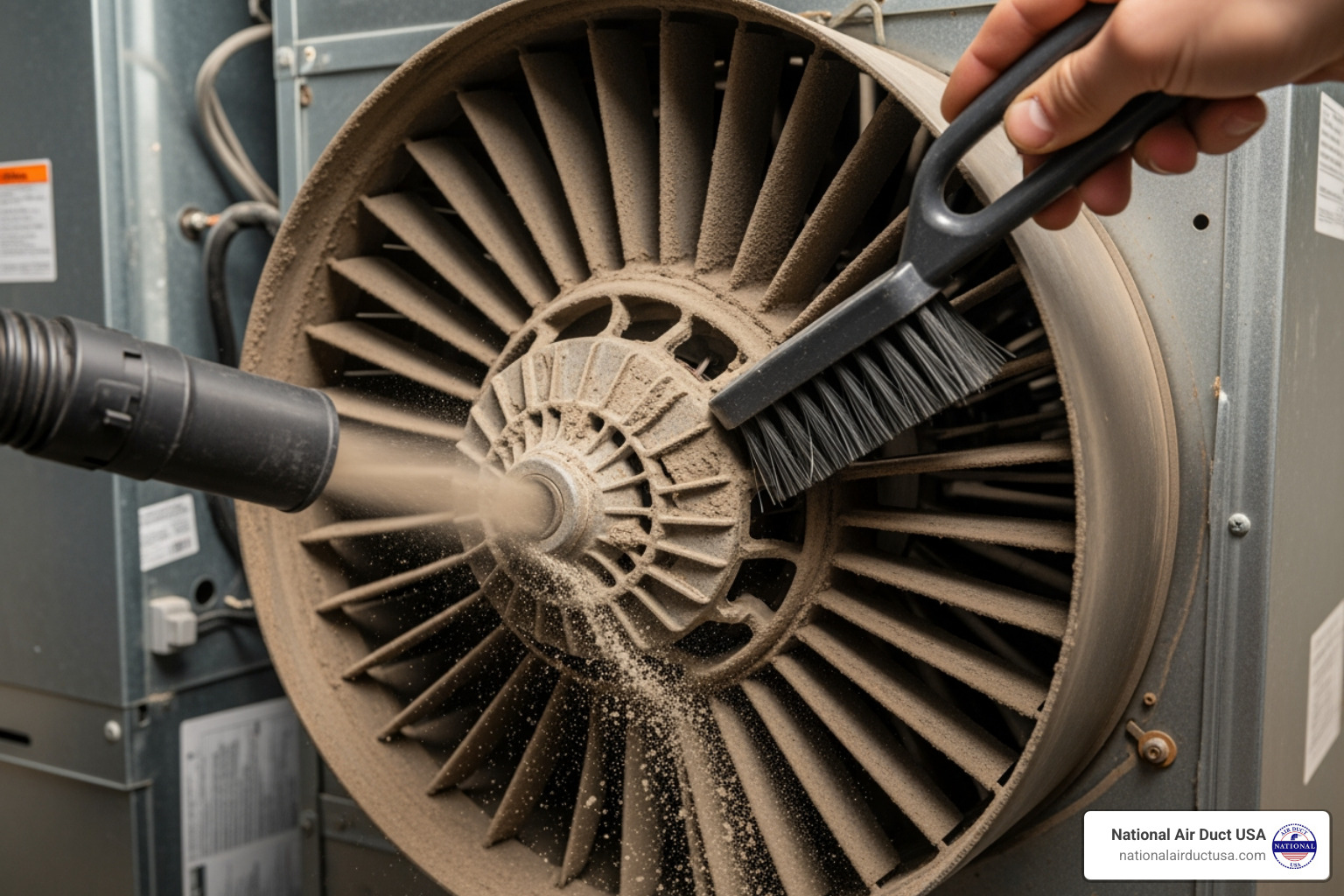
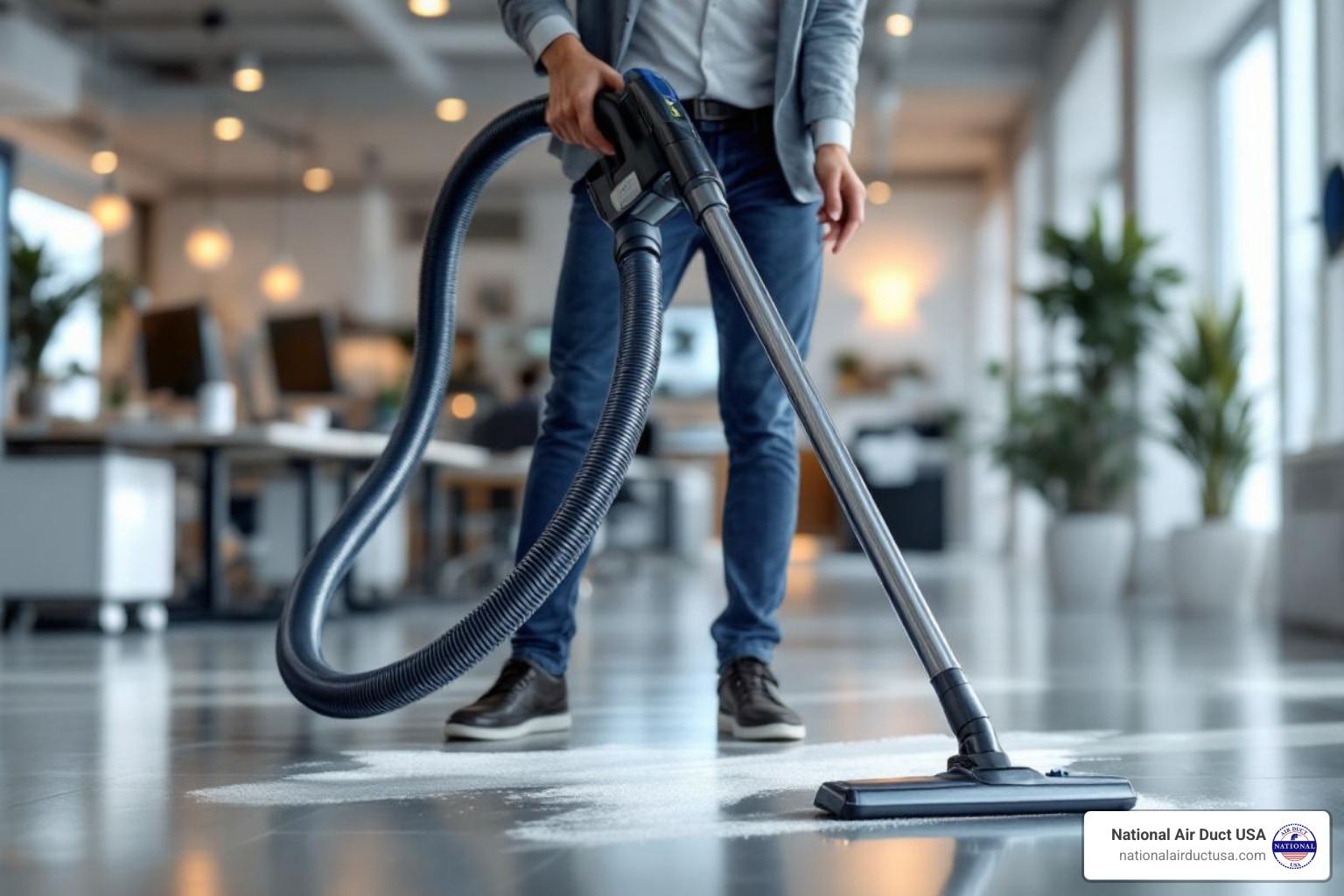
- HEPA Vacuums: Using a vacuum cleaner equipped with a High-Efficiency Particulate Air (HEPA) filter is a game-changer. These vacuums trap tiny particles (including allergens, mold spores, and fine dust) rather than recirculating them into the air. Our professional air duct and HVAC cleaning services often involve specialized equipment to remove buildup that regular cleaning can’t reach.
- Microfiber Cloths and Wet Mopping: Dry dusting can simply move particles around. Microfiber cloths, when slightly damp, effectively capture and hold dust. Similarly, wet mopping floors removes settled particles without kicking them back into the air.
- Clutter Reduction: Less clutter means fewer surfaces for dust to settle on, making cleaning more effective and easier.
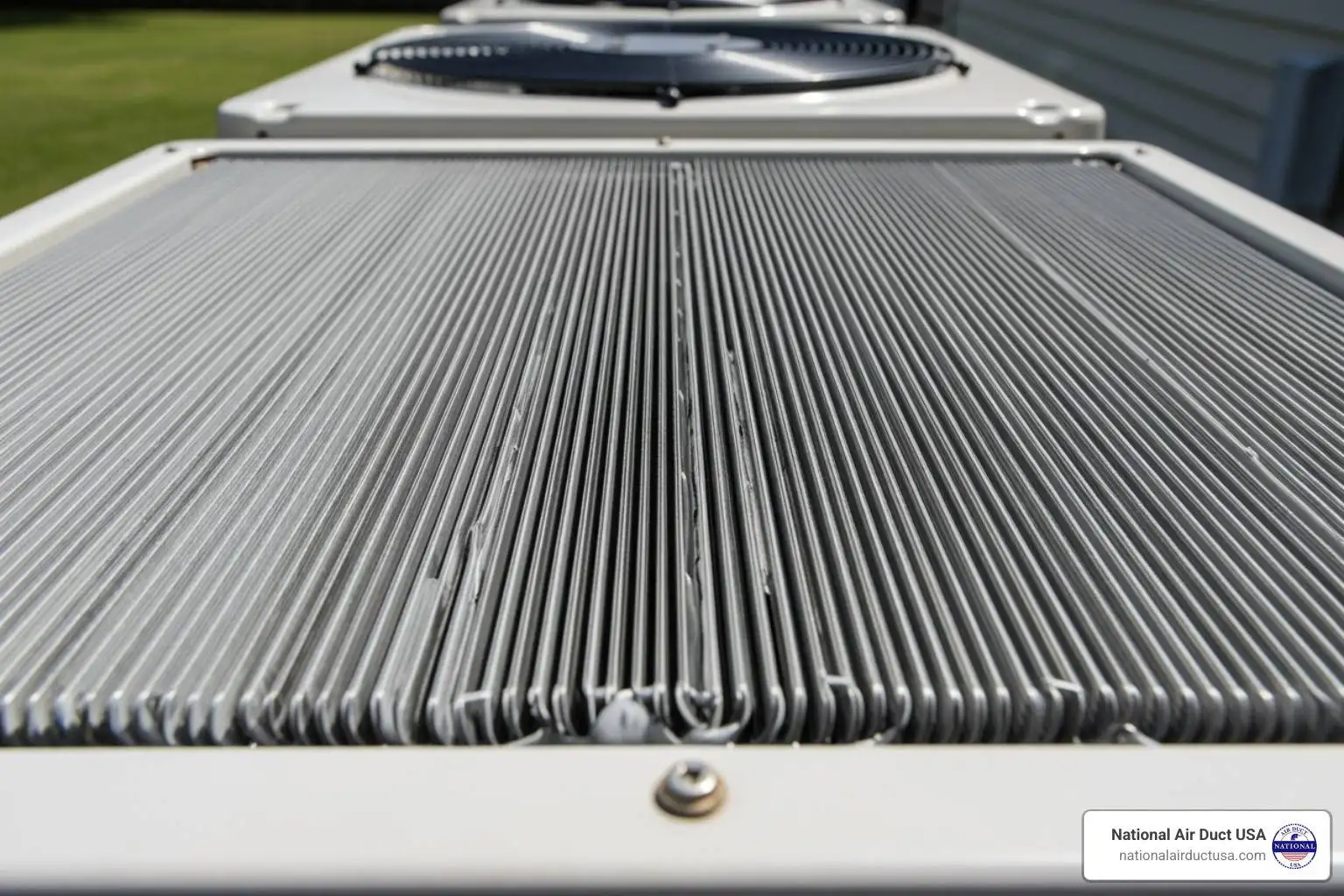
- Routine Maintenance: This extends to appliances and systems. Regularly clean refrigerator coils, dryer vents, and other areas where dust and lint accumulate. Did you know that neglecting your dryer vent can not only be a fire hazard but also contribute to poor indoor air quality? For more information, check out our insights on Dryer Vent Cleaning.
- Regular Air Duct and HVAC Cleaning: Your air ducts are the lungs of your home or business. Over time, they collect dust, allergens, mold, and other debris. Neglecting regular cleanings allows microorganisms and mold to grow, and when your HVAC system turns on, it can force these contaminants into your living or working space, aggravating allergies and asthma. For more information about the long-term benefits and why this is essential for every home in Long Island and Westbury, read More info about why regular cleaning is essential.
How to Reduce Airborne Contaminants with Ventilation and HVAC Systems
Once we’ve minimized sources and cleaned surfaces, the next crucial step in our layered approach to reduce airborne contaminants is to ensure proper ventilation and optimize our HVAC systems. Ventilation literally flushes out stale, contaminated air and brings in fresh air, diluting pollutants and improving overall air quality.
Optimizing Your HVAC for Cleaner Air
Your Heating, Ventilation, and Air Conditioning (HVAC) system is a powerful tool for maintaining indoor air quality, but only if it’s properly maintained and optimized.
- General Ventilation: This refers to the overall air movement in your building. Most home heating and cooling systems do not mechanically bring fresh air into the house, relying on infiltration (air leaking in through cracks) and natural ventilation (windows/doors). We can improve this by increasing the amount of outdoor air coming indoors, which helps lower the concentrations of indoor air pollutants by diluting them. The U.S. Department of Energy’s Energy Saver guide states that opening windows and doors, operating window or attic fans, or running a window air conditioner with the vent control open increases the outdoor ventilation rate.
- Local Exhaust Ventilation (LEV): In workplaces, LEV systems are designed to capture and remove airborne contaminants at their source, preventing them from dispersing into the surrounding air. This is crucial in areas with specific pollutant-generating processes.
- Air Changes per Hour (ACH): This metric tells us how many times the entire volume of air in a room is replaced with fresh air in one hour. A higher ACH means better ventilation. We should aim to deliver 5 or more air changes per hour (ACH) of clean air to rooms in our buildings. For healthcare settings, even higher rates (6 to 12 ACH) are often required.
- Upgrading to MERV-13 Filters: The Minimum Efficiency Reporting Value (MERV) rating indicates a filter’s ability to capture airborne particles. Using higher-rated filters in your heating or air conditioning system can remove more germs in the air than lower-rated filters. We recommend using filters rated MERV-13 or higher, when possible. These filters are significantly more effective at capturing fine particles, including many allergens and viral particles.
- Ensuring Proper Filter Fit: A high-MERV filter won’t do its job if air can simply bypass it. Ensure your filters fit snugly in their housing to prevent air leakage around the filter.
- Regular Filter Changes: Filters become less effective as they get clogged. Change them regularly according to manufacturer recommendations, or more frequently if you have pets, allergies, or higher pollutant levels.
- Maximizing Outdoor Air Intake: Where your HVAC system allows, increasing the proportion of outdoor air it brings in can significantly improve indoor air quality. Consider setting your HVAC system’s fan control to the ‘ON’ position instead of ‘AUTO’ when people are present to ensure continuous air circulation. For more detailed guidance on improving ventilation in buildings, refer to the Improving Ventilation In Buildings | CDC.
The Power of Professional Air Duct Cleaning
Even the most advanced HVAC system won’t perform optimally if its ducts are caked with years of dust and debris. This is where professional air duct cleaning becomes indispensable to truly reduce airborne contaminants.
- Removing Built-Up Dust: Our professional air duct cleaning services use specialized equipment to thoroughly clean all ductwork passageways, including supply, intake, and return ducts. This removes accumulated dust, pet dander, pollen, and other particulate matter that would otherwise be circulated throughout your home or business.
- Eliminating Mold and Bacteria: Dirty ducts, especially those with moisture issues, can become breeding grounds for mold and bacteria. We clean registers, grilles, fans, motors, and coils in your HVAC system, addressing potential microbial growth. Our FAQ states that mold can grow in HVAC systems, especially where warm, humid air meets cold duct surfaces, providing an ideal environment for mold to thrive.
- Improving System Efficiency: When ducts are clogged, your HVAC system has to work harder to push air through, leading to reduced efficiency and higher energy bills. Cleaning your ducts can restore proper airflow, extending the lifespan of your system and saving you money. Our research shows that extreme buildup in ductwork can cut off air supply, forcing the system to work harder, resulting in higher utility bills.
- Reducing Odors: Musty smells, pet odors, and even lingering cooking smells can get trapped in ductwork. Cleaning them out removes these sources, leading to a fresher, cleaner atmosphere.
- Ensuring a Healthy Environment: By removing the hidden reservoirs of contaminants, professional air duct cleaning significantly contributes to a healthier indoor environment, reducing allergy and asthma triggers and promoting overall well-being. For more details on this essential service, visit our page on Air Duct Cleaning. And if your entire HVAC system needs a deep clean, not just the ducts, our HVAC System Cleaning service can help ensure every component is pristine.
Advanced Air Cleaning: Filtration, Purifiers, and UV Technology
Beyond source control and ventilation, advanced air cleaning technologies provide an additional layer of defense to actively remove or neutralize airborne contaminants. These tools are particularly useful for targeting specific pollutants or enhancing air quality in high-risk areas.
Choosing and Using Air Purifiers Effectively
Air purifiers, also known as air cleaners, work by drawing air through filters to capture particles. Their effectiveness varies widely based on technology and proper usage.
- Sizing for Your Room: A common mistake is using an air purifier that’s too small for the space. When choosing an in-room HEPA cleaner, select one that is the right size for the room(s). Our EPA guidance suggests looking for one that has a Clean Air Delivery Rate (CADR) that meets or exceeds the square footage of the room(s) in which it will be used. The larger the CADR, the faster it will clean the air.
- Understanding CADR: CADR measures how quickly the air cleaner removes pollutants from a room. It’s expressed in cubic feet per minute (CFM) for different pollutants (smoke, pollen, dust). The effectiveness of an air cleaner depends on how well it collects pollutants (efficiency rate) and how much air it draws through the cleaning or filtering element (cubic feet per minute).
- HEPA Filter Standard: The gold standard for particle filtration is the HEPA filter. A HEPA filter must trap 99.97% of particles 0.3 micrometers (µm) in diameter. These are incredibly efficient at trapping particles from respiratory actions like breathing, talking, singing, coughing, and sneezing.
- Activated Carbon Filters: While HEPA filters excel at capturing particles, they typically don’t remove gases or odors. For volatile organic compounds (VOCs) and unpleasant smells, activated carbon filters are essential. These filters absorb gaseous pollutants. Many high-quality air purifiers combine both HEPA and activated carbon for comprehensive air cleaning.
- Limitations for Gaseous Pollutants: Air cleaners are generally not designed to remove gaseous pollutants unless they incorporate activated carbon or similar adsorption technology. Even then, they might struggle with very strong sources.
| Contaminant Type | MERV 13 Filter | HEPA Filter | Activated Carbon |
|---|---|---|---|
| Large Particles (Pollen, Dust Mites, Pet Dander) | Excellent | Excellent | Poor |
| Fine Particles (PM2.5, Smoke) | Good | Excellent | Poor |
| Mold Spores, Bacteria, Viruses | Good | Excellent | Poor |
| Volatile Organic Compounds (VOCs) | Poor | Poor | Excellent |
| Odors | Poor | Poor | Excellent |
The Role of UV Light to Reduce Airborne Contaminants
Ultraviolet Germicidal Irradiation (UVGI), commonly known as UV light, offers another powerful way to reduce airborne contaminants, particularly biological ones.
- UV-C Technology: Specifically, UV-C light (a particular wavelength of ultraviolet light) has germicidal properties. It works by damaging the DNA and RNA of microorganisms like bacteria, viruses, and mold, rendering them inactive and unable to reproduce.
- Inactivating Viruses and Bacteria: UV-C lamps have been proven to reduce the spread of bacteria like tuberculosis. While its effectiveness against specific viruses like SARS-CoV-2 is still under investigation regarding precise wavelength, dosage, and duration, UV-C light can damage the outer coating of coronaviruses.
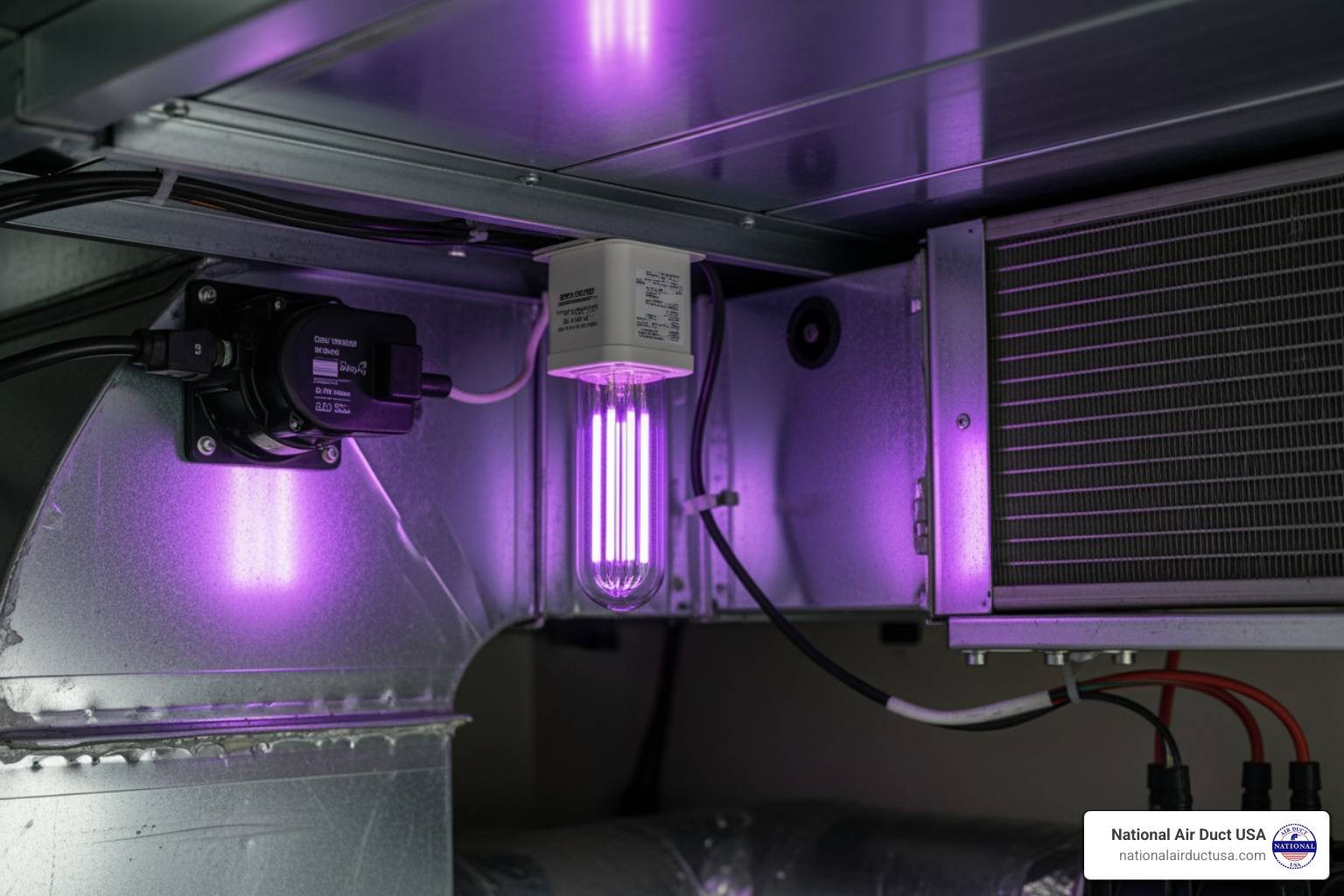
- Use in HVAC Systems: UVC lamps are commonly used inside air ducts to prevent human exposure to radiation. The most common use of UVC is to kill mold and mildew and stop it from accumulating on coils in the HVAC system. Direct exposure of UVC light onto the coil can counteract most mold, bacteria, and viruses. When used in tandem with proper HVAC cleaning treatments, UVGI can be an effective means to reduce airborne viruses.
- Healthcare Applications: In healthcare environments, UV-C has been used for decades for sterilization. Advanced technologies like Far-UV sterilization (a specific type of UV-C) are being explored. Far-UV light has a wavelength that cannot penetrate the dead outer layer of skin or the outer tear layer of the eye, making it safe for use in occupied areas while still effectively destroying pathogens. Our research indicates that Far-UV offers a safer alternative to traditional UV-C light for pathogen destruction due to its limited penetration depth.
- Safety Considerations: It’s critical to note that direct exposure to traditional UV-C light is hazardous to humans and must be avoided. UVC lamps are typically installed within sealed HVAC ducts or upper-room fixtures to prevent direct exposure. For more details on how this technology can be safely integrated into your system in Long Island and Westbury, explore our UV Light Installation services.
Ensuring Success: Monitoring, Compliance, and Education
Implementing strategies to reduce airborne contaminants isn’t a one-time fix; it’s an ongoing commitment. To ensure these efforts are effective and sustainable, we need to monitor our indoor environments, comply with relevant standards, and educate everyone who uses the space.
Monitoring Your Indoor Environment
“If you can’t measure it, you can’t improve it,” as the saying goes. Regular monitoring helps us understand the effectiveness of our control measures and identify potential issues before they become major problems.
- Indoor Air Quality (IAQ) Monitoring: This involves assessing various parameters of your indoor air. While professional testing can provide detailed analysis of specific pollutants, simple tools can offer valuable insights.
- Using CO2 Monitors: A portable CO2 monitor can help you determine how stale or fresh the air is in rooms. Carbon dioxide levels are a good indicator of ventilation effectiveness. Readings above 800 parts per million (ppm) suggest that you may need to bring more fresh, outdoor air into the space. Monitoring CO2 levels can help building managers in Nassau County identify poorly ventilated areas and take corrective action.
- When to Call a Professional: While CO2 monitors are helpful, they don’t detect all contaminants. If you suspect specific pollutants (like mold, radon, or high VOCs), or if occupants are experiencing persistent health issues, professional IAQ testing is essential. Our experts can provide detailed assessments and recommend targeted solutions.
- Interpreting Results: Professional reports will offer actionable insights into contaminant levels and sources, guiding further intervention.
The Importance of Employee Awareness
In workplaces across Suffolk County, employees are often the first to notice changes in air quality. Educating them and fostering a culture of awareness is paramount for maintaining a healthy environment.
- Training on Best Practices: Employees should be informed about the sources of contaminants, how ventilation systems work, and simple actions they can take to contribute to cleaner air. This includes proper waste management, using designated areas for pollutant-generating activities, and understanding the operation of air purifiers.
- Reporting Air Quality Issues: Encourage employees to report any unusual odors, visible mold, or persistent symptoms that might indicate poor air quality. An open channel for feedback allows for prompt investigation and resolution. Our research from levengineering.co.uk emphasizes that employee education and awareness contribute to a safer work environment.
- Understanding Control Measures: Explaining why certain measures are in place (e.g., specific cleaning protocols, filter upgrades) helps ensure compliance and cooperation.
- Fostering a Culture of Safety: A proactive approach to indoor air quality demonstrates an employer’s commitment to employee well-being, which can lead to increased morale and productivity. Our research highlights that employers have a legal responsibility to minimize airborne contaminants and that effective reduction contributes to overall employee well-being and productivity.
To ensure compliance with regulations and standards related to workplace air quality, employers should consult with environmental health and safety professionals. Creating a comprehensive action plan is also vital. Here are some key steps in a Clean Indoor Air Action Plan:
- Assess current air quality: Use monitoring and professional testing.
- Identify and prioritize sources: Focus on the biggest contributors to pollution.
- Implement layered controls: Combine source control, ventilation, and air cleaning.
- Establish maintenance schedules: For HVAC, filters, and cleaning.
- Educate occupants: Inform them about practices and reporting.
- Regularly review and adjust: Air quality needs can change.
Conclusion
Creating and maintaining a healthy indoor environment is a dynamic process, but one that yields significant rewards. By adopting a layered approach, we can effectively reduce airborne contaminants and create spaces that promote health, comfort, and productivity for everyone in Long Island and Westbury.
We’ve explored how starting with source control (eliminating or reducing pollutants at their origin) is the most effective first step. Following this, optimizing ventilation (bringing in fresh air and diluting contaminants through HVAC systems and natural airflow) provides a crucial second layer of defense. Finally, air cleaning technologies (like HEPA filters, air purifiers, and UV sterilization) offer targeted solutions to capture or neutralize remaining airborne threats.
The benefits of these strategies are far-reaching. From fewer allergy and asthma flare-ups to a reduced risk of respiratory infections and improved cognitive function, investing in indoor air quality is an investment in well-being. While there are cost considerations, the long-term returns in employee health, productivity, and peace of mind far outweigh the initial outlay.
For expert assessment and professional services in Long Island and Westbury, the certified technicians at National Air Duct USA can help you implement the most effective solutions for your space. Whether it’s thorough air duct cleaning, HVAC system optimization, or advanced UV light installation, we’re here to help you breathe easier.