Why Stubborn Odors Need More Than Spray
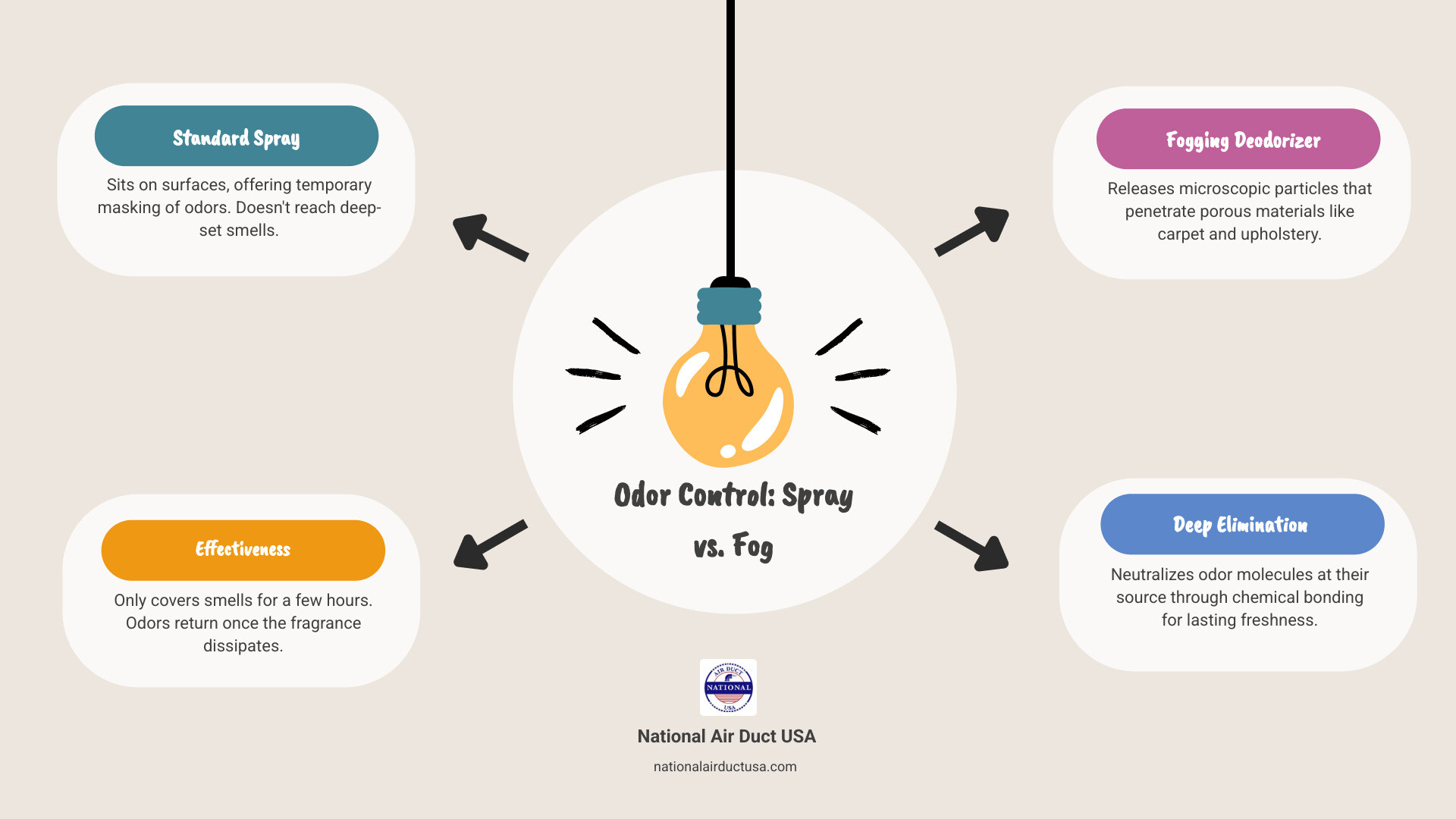
A fogging deodorizer is a specialized product that disperses a fine mist of odor-neutralizing chemicals to penetrate porous surfaces like carpets, upholstery, and fabrics. Unlike standard air fresheners that only mask smells, it eliminates odors at their source.
Quick Answer: Best Fogging Deodorizers for Different Needs
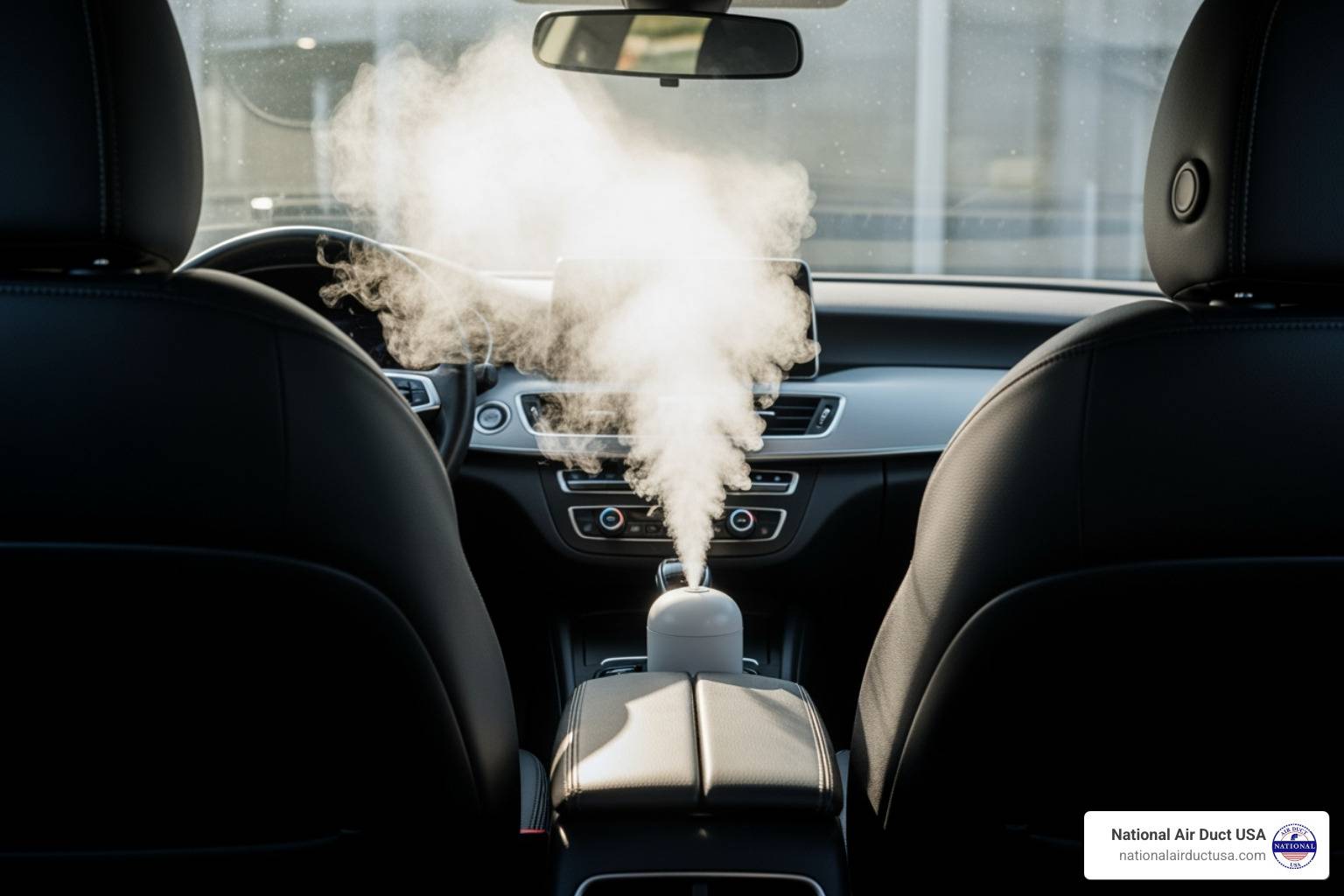
- Vehicles: Total-release automotive foggers (3-5 oz) for use with the car’s recirculation system.
- Home Rooms: 5 oz total-release aerosol cans for up to 6,000 cubic feet of coverage.
- Commercial Spaces: Concentrated liquid solutions used with professional fogging equipment.
- Hard-to-Reach Areas: Water-based fogging solutions that penetrate HVAC systems and ducts.
If you’ve struggled with persistent cigarette smoke in your car, a musty basement, or pet odors in a rental property, you know that standard sprays often fail. They only cover up smells temporarily by sitting on top of surfaces. Fogging technology works differently. It creates microscopic particles that float through the air, settling into every crack and fiber where odor molecules hide.
For Long Island homeowners and businesses, this difference is crucial for tackling serious issues like smoke damage, pet odors, or mildew. Fogging deodorizers reach places regular sprays can’t touch, offering a true solution to stubborn smells.
What is a Fogging Deodorizer and How Does It Work?
Unlike regular air fresheners that just mask smells, a fogging deodorizer acts as an odor elimination specialist. It releases an ultra-fine mist of atomized particles that behave like a gas, traveling through the air to reach every surface and crevice in a room.
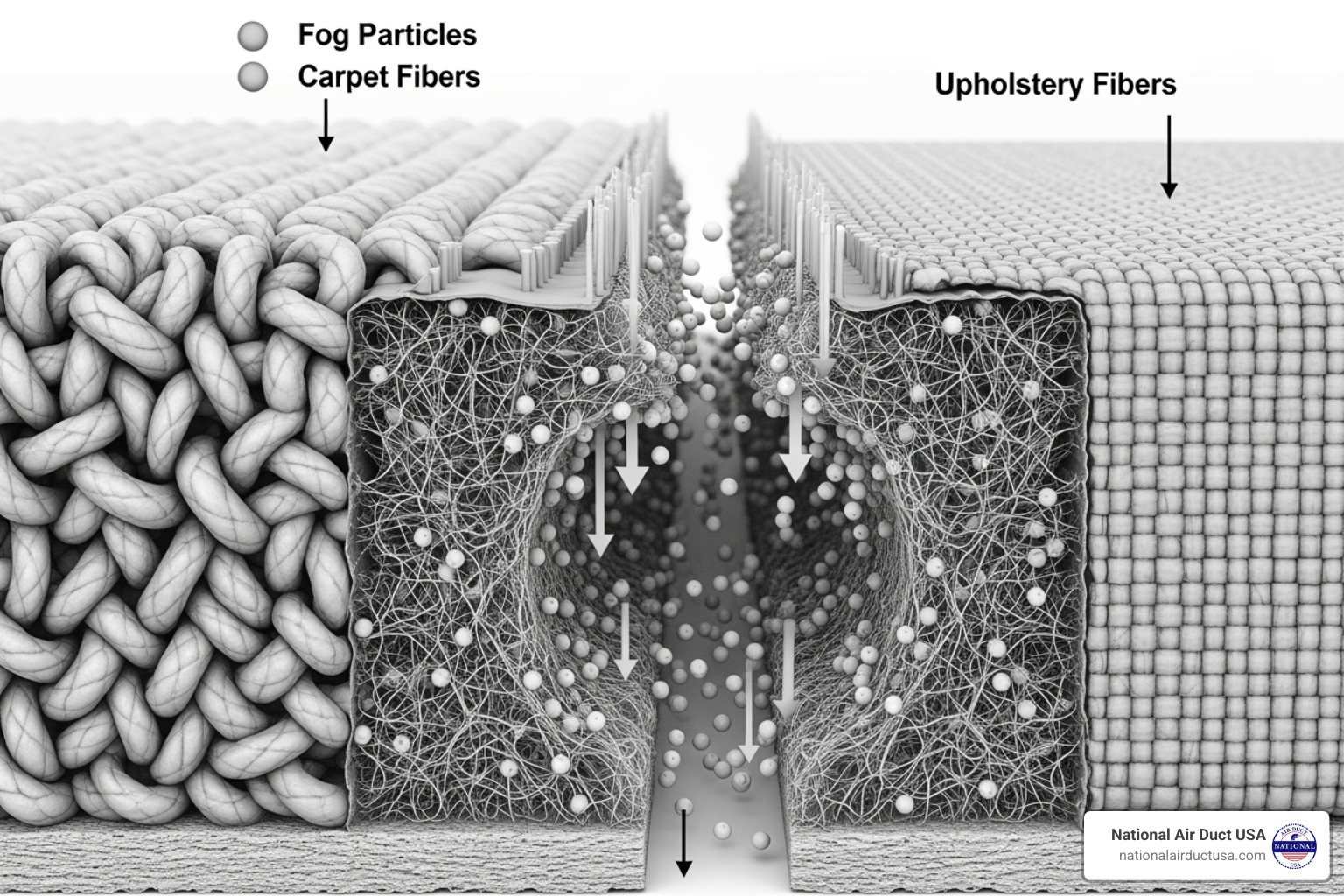
These microscopic droplets penetrate porous materials like carpets, upholstery, and curtains, reaching deep into fibers where odor molecules hide. This process is about source elimination, not covering up scents. The fog contains water-soluble neutralizers that bond with and break down odor molecules at a molecular level, so the smell is gone for good. This is especially effective for hard-to-reach areas like ventilation systems, behind furniture, and inside closets.
While many fogging solutions contain Volatile Organic Compounds (VOCs), modern formulations often use low-VOC or water-based options. You can learn about Volatile Organic Compounds (VOCs) from the EPA to understand their impact on indoor air quality.
The Science Behind Odor Elimination
Every smell consists of odor molecules that your brain interprets when they reach your nose. Most air fresheners use masking—releasing a stronger scent to overpower the bad one. This is a temporary fix.
Fogging deodorizers use neutralization. The fog contains binding agents that attach to odor molecules, triggering a chemical reaction that alters their structure and renders them odorless. It’s a chemical change, not a cover-up.
Professional fogging formulations often include ingredients like sodium bicarbonate (baking soda) to absorb odors, combined with surfactants and other neutralizing compounds. These solutions are designed to atomize properly, disperse evenly, and dry without leaving a non-sticky residue on carpets or upholstery.
Common Uses and Applications
Fogging deodorizers are incredibly versatile and effective in various settings across Long Island.
- Homes: Eliminates musty smells in basements, attics, and crawl spaces, as well as lingering cooking or pet odors that have settled into carpets and furniture.
- Vehicles: Works with the car’s ventilation system to penetrate upholstery, floor mats, and air ducts, removing trapped smells like cigarette smoke, spilled food, or wet dog.
- Commercial Spaces: A necessity for hotels, restaurants, offices, and entertainment venues in Nassau and Suffolk Counties to combat tobacco smoke, cooking odors, and high-traffic smells.
- Property Management: Helps property managers in areas like Hempstead and Freeport quickly turn over rental units by eliminating smells left by previous tenants.
- Specialized Situations: Addresses post-renovation smells from paint and adhesives, and is crucial for professional remediation of smoke damage from fires or furnace puffbacks.
For severe odor issues, especially those circulating through your HVAC system, professional help is recommended. More info about our sanitizing services can provide insight into comprehensive solutions for your property.
The Ultimate Guide to Using a Fogging Deodorizer
Using a fogging deodorizer correctly is key to its effectiveness and your safety. Whether you’re using a total-release aerosol can for a single room or a liquid concentrate with a fogging machine for a larger area, proper application is crucial.
Step-by-Step Application Process
Follow these steps for the best results. Skipping preparation can lead to wasted product and poor outcomes.
- Prepare the Area: Clean surfaces first, as deodorizers work best when they can reach the odor source. Remove all people, pets, and plants from the space.
- Eliminate Fire Hazards: This is critical. Turn off all pilot lights, extinguish open flames, and unplug appliances that could spark. Cover or remove food, dishes, and sensitive electronics.
- Seal the Space: Close all windows and exterior doors to contain the fog.
- Calculate Your Needs: Measure the cubic footage of the space (length x width x height) to determine how many foggers or how much solution you need. A typical 5 oz can covers up to 6,000 cubic feet.
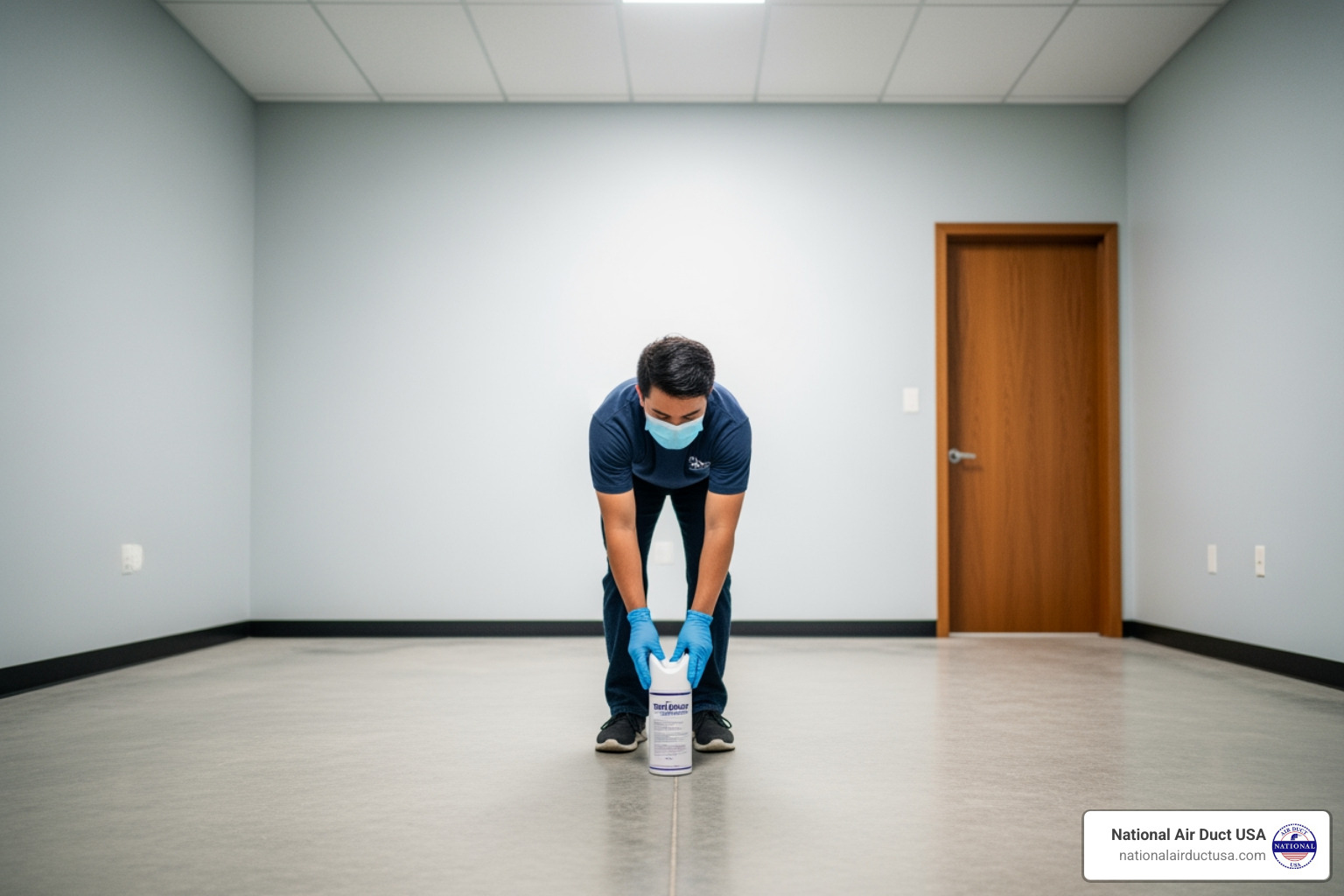
- Position the Fogger: Place the fogger on a stable, level surface in the center of the room, with newspaper underneath to catch any residue.
- Activate and Evacuate: Press the tab on a total-release can and leave immediately, closing the door behind you. If using a handheld fogger, move steadily through the space before exiting.
- Allow Dwell Time: Let the fog work for the time specified on the label, usually a few hours. This allows the particles to settle and neutralize odors.
- Ventilate Thoroughly: After the treatment, open all windows and doors to air out the space for at least 30-60 minutes before re-entry. This step is mandatory for safety.
Types of Deodorizers and Formulations
Choosing the right product depends on your needs.
- Total-Release Cans: These are convenient for smaller spaces like rooms or cars. A 5 oz can typically handles up to 6,000 cubic feet.
- Concentrated Liquid Solutions: More economical for large areas or regular use, these are diluted with water and applied with a fogging machine. One gallon of concentrate can often make up to eight gallons of solution.
- Water-Based Formulas: The professional standard, these are less likely to stain and dry without leaving a sticky residue.
- Scent Options: Products come in various scents like Fresh Breeze or Lemongrass, but unscented options are also available to eliminate odors without adding fragrance.
- VOC Content: Look for products with low Volatile Organic Compounds (around 0.71% or less) for better indoor air quality post-treatment.
Safety Precautions You Can’t Ignore
Fogging deodorizers are powerful chemicals and must be handled with respect.
- Use Personal Protective Equipment (PPE): When using concentrated solutions or machines, wear a respirator, gloves, and eye protection.
- Keep Others Safe: Ensure children and pets are away from the area until it has been fully ventilated.
- Protect Food and Surfaces: Remove or cover all food, dishes, and food preparation surfaces.
- Know First Aid: If the product contacts your eyes, rinse with water for several minutes. If irritation persists or you feel unwell, contact a poison control center. Keep the product label handy.
- Read the Label: Always follow the manufacturer’s specific instructions for dilution, application, and safety. This is essential for both effectiveness and safety.
For more guidance, see our FAQ for more safety tips. If you’re uncomfortable handling these products, professional services are the safest option.
Fogging Deodorizer vs. Other Odor Solutions
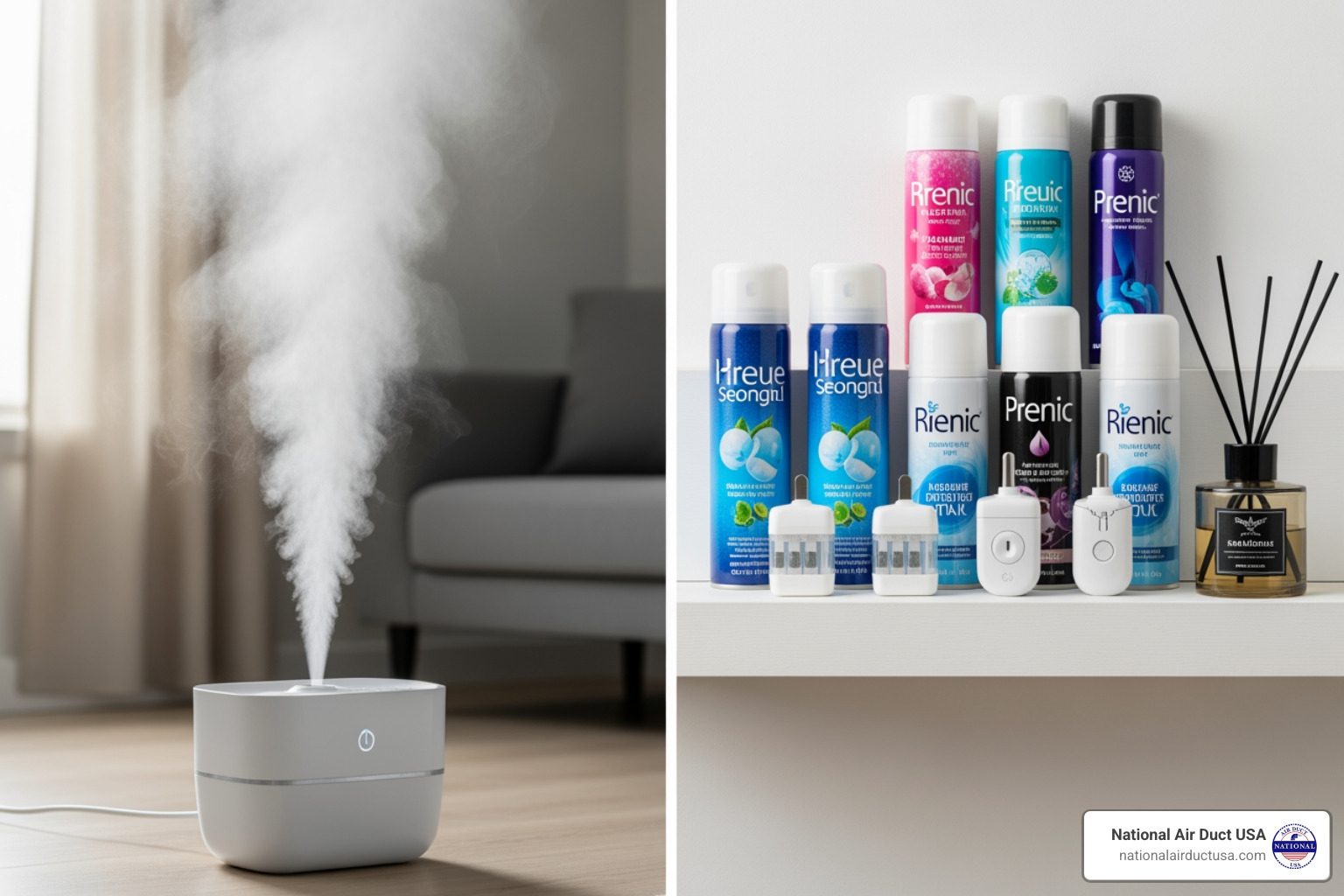
While many odor solutions exist, from sprays to plug-ins, a fogging deodorizer stands apart in its mechanism and effectiveness, especially for persistent smells.
Why Choose a Fogging Deodorizer?
Traditional air fresheners only mask odors with a stronger scent, offering a temporary fix. A fogging deodorizer provides a lasting solution by eliminating odors at their source. Here’s why it’s often the better choice:
- Deep Penetration: The fine mist penetrates porous materials like carpets, drapes, and upholstery, neutralizing embedded odor molecules.
- HVAC and Ductwork Treatment: The fog can travel through HVAC systems, addressing smells that circulate throughout a property—something standard sprays cannot do.
- Fabric-Safe: Many formulations are safe for water-safe fabrics and carpets, eliminating odors without leaving stains or sticky residues.
- Long-Lasting Results: Because it eliminates the source, the effects can last for weeks or months, far longer than a typical air freshener.
- Cost-Effective Coverage: A single 5 oz total-release can is able to treat up to 6,000 cu ft, making it an efficient choice for entire rooms.
The key difference is that fogging deodorizers eliminate, not mask, by chemically neutralizing odor molecules for a truly fresh space.
Fogging Deodorizer vs. Fogging Machine
It’s important to distinguish between the deodorizer (the chemical) and the fogging machine (the applicator).
-
Total-Release Fogger Cans: These are all-in-one, single-use aerosol cans that combine the deodorizer and dispenser. They are perfect for DIY use in smaller spaces like rooms or cars. You activate the can and leave the room.
-
Liquid Deodorizers with a Fogging Machine: This is the professional-grade approach. A concentrated liquid solution is diluted and dispersed using a reusable handheld or electric fogging machine. This method is more cost-effective for large areas or frequent use, offering control over dilution ratios and providing finer, more consistent fog. It’s ideal for commercial spaces, large homes, and treating HVAC systems.
When to Call a Professional for Odor Removal
While DIY foggers are effective for many situations, some jobs require a professional. At National Air Duct USA, we handle severe odor issues that go beyond the scope of consumer products. Consider calling a professional for:
- Severe or Deeply Embedded Odors: When smells are overwhelming or have been present for a long time.
- Fire and Smoke Damage: Soot particles from fires penetrate everything, including walls and ductwork, requiring specialized equipment and thermal fogging techniques.
- Furnace Puffbacks: This event releases oily soot throughout your home and HVAC system, demanding professional cleaning and deodorizing.
- Widespread Mold or Mildew: A fogger can’t fix the source. Professional remediation is needed to address the moisture issue and remove the growth safely.
- Large Commercial Buildings: The scale of commercial properties in Nassau or Suffolk County requires industrial-grade equipment for effective, uniform treatment.
- Odors in HVAC Ductwork: If smells emanate from your vents, the source is within the system. Our NADCA-certified technicians can clean and sanitize your air ducts to remove the problem at its core.
When odors are severe, explore our professional odor removal services for a lasting solution.
Frequently Asked Questions about Fogging Deodorizers
Here are answers to common questions Long Island homeowners and business owners have about fogging deodorizers.
What types of odors can fogging deodorizers eliminate?
Because it works by chemical neutralization, a fogging deodorizer is effective against a wide range of stubborn smells. This includes:
- Smoke odors (cigarette, cigar, fire)
- Pet odors (urine, wet dog, general pet smells)
- Cooking odors (curry, fish, burnt food)
- Mustiness and mildew from damp basements or closed-off spaces
- Garbage smells
- Skunk spray
- Spoiled food
- Post-flood odors
The fog reaches everywhere air can go, bonding with and neutralizing these odor molecules at their source.
How long do the effects of a fogging deodorizer typically last?
The longevity of the results depends on several factors:
- Severity of the Odor: Lighter smells may be gone permanently after one treatment, while deeply embedded odors may require more attention.
- Source Elimination: The fogger neutralizes existing odors, but the smell will return if the source (e.g., a water leak causing mildew) is not addressed.
- Ventilation: The treated space’s ongoing ventilation levels can affect how long the product remains effective on surfaces.
- Product Type: Professional-grade concentrated solutions tend to be more potent and longer-lasting than consumer aerosol cans.
When applied correctly and the odor source is removed, results typically last from weeks to several months.
Are the chemicals in fogging deodorizers safe?
Yes, fogging deodorizers are safe when used exactly as directed. Adhering to safety protocols is not optional.
- Follow Instructions: Always follow the manufacturer’s instructions for application, dilution, and ventilation times.
- Ventilate Thoroughly: After treatment, air out the space by opening windows and doors for the recommended time (usually 30-60 minutes). This clears any remaining airborne particles.
- Remove All Occupants: People, pets, and plants must be removed from the area during treatment and should not re-enter until the space is fully ventilated.
- Look for Safer Formulas: Many modern foggers are water-based and have low-VOC (Volatile Organic Compound) content, making them safer for use on fabrics and for indoor air quality. Professional products often have very low VOC levels (e.g., 0.71%).
- Consult Safety Data Sheets (SDS): For detailed information on ingredients and handling, you can request an SDS from the manufacturer.
If you have respiratory sensitivities or prefer professional handling, our certified team can ensure the job is done safely. Read our FAQ for more safety tips on maintaining healthy indoor air.
Conclusion
Fogging deodorizers offer a powerful solution for stubborn smells, working through chemical neutralization to eliminate odors at their source. By creating a fine mist that penetrates deep into fabrics, carpets, and even ventilation systems, they succeed where traditional sprays fail. For many moderate odor problems, a DIY approach can be highly effective.
However, some odor issues, like those from smoke damage, furnace puffbacks, or contamination within your HVAC system, require a professional. These problems run deeper than a surface treatment can fix, with the source often hidden in your ductwork.
At National Air Duct USA, our NADCA-certified technicians specialize in addressing the root cause of poor air quality. We clean contaminated ductwork and use professional-grade equipment to ensure your property is truly odor-free. We’ve helped countless clients across Long Island, from Westbury to Suffolk County, restore fresh, healthy air to their homes and businesses.
Don’t let lingering smells compromise your comfort or property value. Whether you choose a DIY solution or need our expert help for a severe problem, taking action is key. Contact us today for a comprehensive air quality solution and breathe easier.