Why Long Island Air Quality Matters for Your Health
Long Island air quality is currently rated as Good, with an Air Quality Index (AQI) of 49 in Long Island City and 28 in Middle Island. The main pollutant is PM2.5 (fine particulate matter), with concentrations at 9 µg/m³ in Long Island City—about 1.8 times the World Health Organization’s annual guideline.
Quick Status Check:
- Current AQI: 49 (Long Island City) – Good
- Main Pollutant: PM2.5 at 9 µg/m³
- Tomorrow’s Forecast: AQI 40 – Good
- Health Recommendation: Safe for outdoor activities
If you’re a Long Island homeowner or business owner, the air outside doesn’t just stay outside. Every time your HVAC system runs, it pulls outdoor air into your building. When that outdoor air contains fine particles from vehicle emissions, industrial pollution, or even distant wildfire smoke, those pollutants circulate through your ducts and into the spaces where your family lives and works.
The good news? Long Island’s air quality is generally good most days. The challenge? Even “good” air contains particulate matter that accumulates in your HVAC system over time. And on days when outdoor air quality drops—whether from summer heat trapping pollutants or smoke drifting in from Canadian wildfires like the 2023 event that pushed NYC’s AQI to a hazardous 484—your indoor air quality suffers too.
Understanding what’s in the air and how it affects your home is the first step to protecting your family’s health and keeping your HVAC system running efficiently.
What’s In the Air?: Key Pollutants and Influences
When we talk about Long Island air quality, we’re primarily focused on a few key pollutants that can impact our health and environment. The two big players are fine particulate matter (PM2.5) and ground-level ozone. These aren’t just abstract scientific terms; they represent tiny particles and gases that can get deep into our lungs and cause real problems.
Our air on Long Island is constantly influenced by a mix of factors, from the everyday hum of vehicle emissions and local industrial activity to broader weather patterns and even dramatic external events like distant wildfires. It’s a complex dance, and understanding the steps helps us better prepare and protect ourselves.
Primary Pollutants Affecting Long Island
Let’s dive a little deeper into the main culprits affecting Long Island air quality:
- PM2.5 (Fine Particulate Matter): These are microscopic particles, 2.5 micrometers in diameter or smaller – about 30 times smaller than a human hair! They come from various sources, including vehicle exhaust, industrial processes, power plants, and even burning wood or waste. Because of their tiny size, they can bypass our body’s natural defenses and penetrate deep into the lungs, and even enter the bloodstream. In Long Island City, we’ve seen PM2.5 concentrations around 9 µg/m³, which is about 1.8 times the World Health Organization’s (WHO) annual guideline. Other areas like Central Islip have reported PM2.5 at 5.4 µg/m³ (1.1 times the WHO guideline), while Middle Island was at 5.1 µg/m³ and East Islip at 3.6 µg/m³, both meeting the WHO guideline. These numbers might sound small, but consistent exposure can add up to significant health concerns.
- Ground-Level Ozone: Unlike the “good” ozone layer high above us that protects us from harmful UV rays, ground-level ozone is “bad” ozone. It’s not emitted directly but forms when pollutants like Nitrogen Oxides (NOx) and Volatile Organic Compounds (VOCs) react in the presence of sunlight. These precursor pollutants come from things like car exhausts, power plants, industrial boilers, refineries, chemical plants, paints, cleaners, and even gas-powered lawn equipment. That’s why ground-level ozone tends to be a bigger concern during warmer, sunnier months, with forecasts typically running from April through September. The Long Island Science Center’s Environmental Justice Project specifically monitors both ozone and fine particulate matter, recognizing their importance to our local communities.
How Weather and External Events Impact Local Air
Imagine Long Island air quality as a giant bowl of soup. What’s in the soup, and how it’s stirred, drastically changes its flavor. Weather acts as the spoon, and external events can add unexpected ingredients.
- Weather’s Role: Warm temperatures and high humidity, especially during summer, can create the perfect conditions for ground-level ozone to form. Stagnant air, often associated with high-pressure systems, can trap pollutants close to the ground, preventing them from dispersing. This can lead to hazy skies and liftd AQI levels across Nassau County, Suffolk County, and other Long Island communities. Wind direction also plays a critical role; a shift in wind can either clear out local pollution or bring in pollutants from distant sources. For example, temperature inversions, where a layer of warm air sits above cooler air, can act like a lid, trapping pollutants and making air quality worse.
- External Events – The Wildcard: While local sources are always a factor, sometimes our air quality takes a hit from events far away. Wildfires, particularly those in Canada, have become a recurring concern. In June 2023, smoke from Canadian wildfires blew directly into the New York City area, causing the AQI to soar to an alarming 484 in NYC – considered extremely hazardous. Long Island felt the effects too, experiencing significant haze and air quality alerts. These events highlight how interconnected our atmosphere is and how a wildfire thousands of miles away can directly impact the air we breathe right here on Long Island. You can keep an eye on these larger influences by checking resources like the Fire & Smoke Map. The Long Island Science Center also conducts valuable research on air parameters that helps us understand these influences better.
Current and Forecasted Long Island Air Quality
Overall, we’re fortunate that Long Island air quality generally stays in the “Good” range. This means most days, we can enjoy our beautiful beaches, parks, and outdoor activities without significant health concerns related to the air. However, knowing the current conditions and what’s coming helps us plan our days and keep our families safe.
Currently, we see a healthy picture across Long Island. Long Island City’s AQI stands at 49, while Middle Island is even lower at 28 – both firmly in the “Good” category. For comparison, the broader NYC Metro area might be around 50, so our local numbers are right in line or even better. Looking ahead, the forecast for Long Island often remains positive, with a maximum AQI of 40 (Good) predicted for upcoming days. We can generally expect these favorable conditions to continue, but it’s always wise to check real-time data, especially if you have sensitive family members.

Today’s Air Quality Index Across the Island
When the air quality is “Good,” as it often is across Long Island, it means there’s little to no risk to our health. This is great news for enjoying everything our region has to offer, from the vibrant streets of Hempstead Gardens and Garden City to the tranquil shores of Freeport and the Hamptons. We can breathe easy and engage in outdoor activities without worry.
While the overall picture is usually good, there can be subtle regional differences. For instance, areas with heavier traffic or closer proximity to industrial zones might occasionally see slightly higher numbers than more rural parts of Suffolk County. However, these variations typically remain within the “Good” or “Moderate” categories. To get truly localized data for your specific town, whether it’s Westbury, Hicksville, or any other Long Island community, you can use online tools that show data from nearby monitoring stations. It’s easy to find monitors near you to get the most accurate picture.
How is the Long Island air quality forecast determined?
Predicting Long Island air quality isn’t just guesswork; it’s a sophisticated science that combines cutting-edge technology with expert analysis. We rely on this information to make informed decisions about our daily lives.
The process involves several key components:
- Satellite Data Modeling: Agencies like the EPA and NOAA use satellite imagery to track pollutant plumes, especially for widespread events like wildfire smoke. These satellites provide a broad overview of air quality trends across large regions, helping to identify potential issues before they reach ground level.
- Ground-Level Monitoring Stations: This is where the rubber meets the road (or rather, where the air meets the sensor!). A network of monitoring stations across New York State, including many here on Long Island, continuously measures actual pollutant concentrations. These stations provide real-time, localized data for key pollutants like PM2.5 and ozone. The New York State Department of Environmental Conservation (NYS DEC) plays a crucial role in managing and reporting this vital information.
- Weather Forecasting Integration: Air quality is heavily influenced by weather. Forecasters integrate detailed meteorological models (wind speed and direction, temperature, humidity, precipitation, and atmospheric stability) into their air quality predictions. This allows them to anticipate how weather patterns will affect the dispersion, formation, and transport of pollutants.
- Historical Data Trends: By analyzing years of past air quality data, scientists can identify seasonal patterns and typical responses to certain weather conditions or events. This historical context helps refine current and future forecasts.
Together, these elements allow experts to provide accurate short-term (hourly and daily) and extended (3-day/7-day) forecasts for our region. If you want to stay ahead of the curve and be notified when daily air quality reaches a specific level you choose, we highly recommend signing up for the Enviroflash notification system. It’s a fantastic tool to keep you and your family informed.
Health Guide: Protecting Yourself and Your Family
Understanding Long Island air quality isn’t just about numbers on a screen; it’s about safeguarding our health. The pollutants we’ve discussed, particularly PM2.5 and ground-level ozone, can have a range of impacts, from minor irritations to serious long-term conditions.
When air quality is poor, exposure can lead to:
- Respiratory Irritation: Symptoms like coughing, wheezing, shortness of breath, and throat irritation are common. This is especially true for fine particulate matter, which can irritate the airways.
- Asthma Triggers: For individuals with asthma, poor air quality can trigger severe attacks, requiring medication or even emergency care.
- Cardiovascular Stress: Long-term exposure to PM2.5 has been linked to increased risk of heart disease, hypertension, and other cardiovascular problems.
- Other Concerns: Exposure to ozone can also cause lung inflammation and reduce lung function.
Certain groups are more vulnerable to these effects. We call them “sensitive groups,” and they include:
- Children: Their lungs are still developing, and they breathe more air per pound of body weight than adults.
- Older Adults: They often have pre-existing health conditions that make them more susceptible.
- People with Lung Disease: Individuals with conditions like asthma, bronchitis, or emphysema are at higher risk.
- People with Heart Disease: Poor air quality can exacerbate their cardiovascular conditions.
- Pregnant Women: There’s growing evidence that poor air quality can impact fetal development.
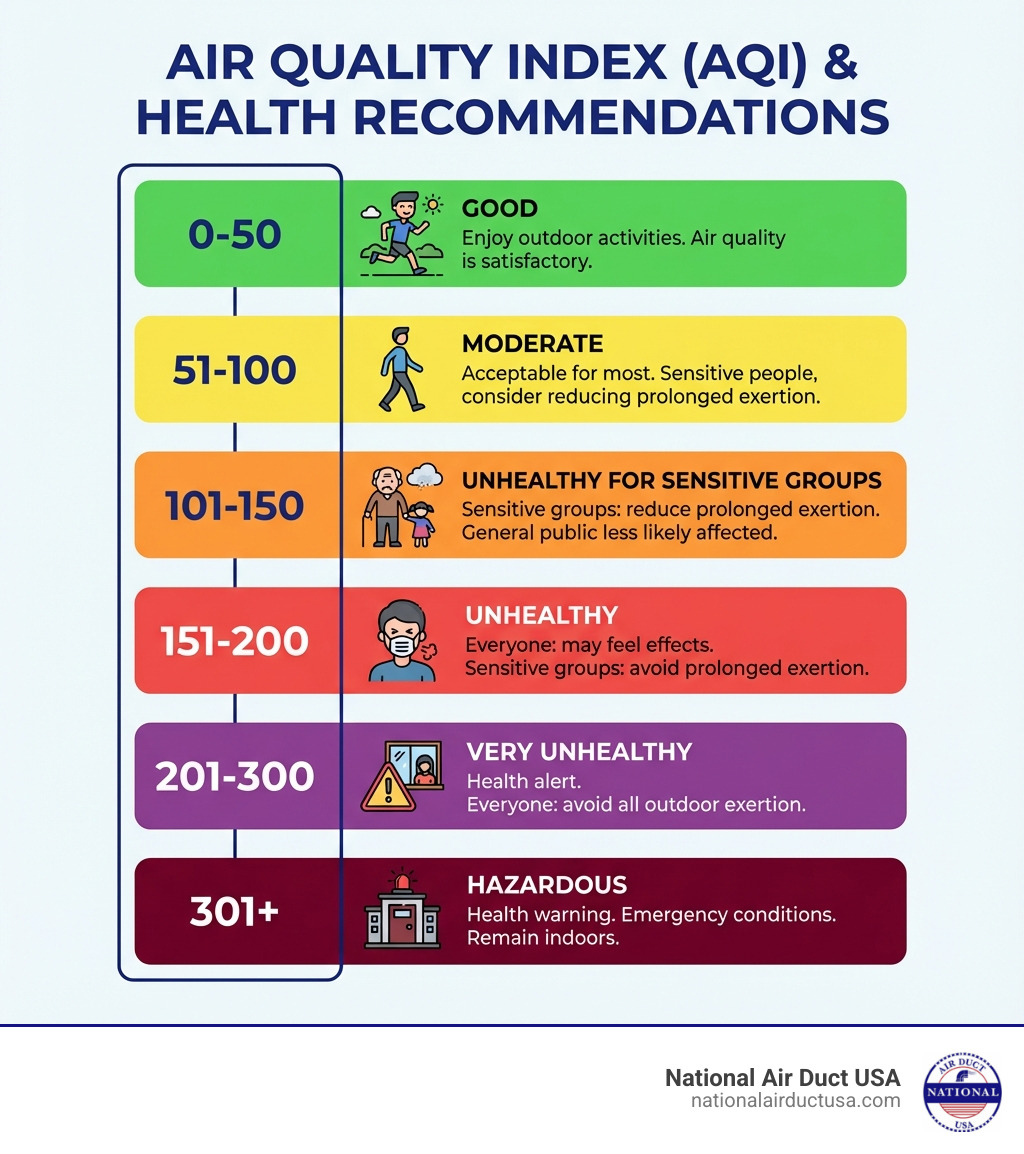
On days with high AQI, especially when it reaches “Unhealthy for Sensitive Groups” or higher, these individuals should take extra precautions.
How to Protect Yourself from Poor Long Island Air Quality
The good news is that there are many proactive steps we can take to protect ourselves and our families from the impacts of poor Long Island air quality, both indoors and out.
- Check the Daily AQI: Make it a habit to check local air quality forecasts before planning outdoor activities. Resources like AirNow.gov or the NYS DEC provide easy-to-understand information.
- Limit Outdoor Exercise: On days when the AQI is moderate or unhealthy, consider moving your workout indoors or rescheduling strenuous outdoor activities for a time when air quality is better.
- Close Windows and Doors: When outdoor air quality is poor, keep your windows and doors shut to prevent pollutants from entering your home or business.
- Run Air Conditioning: Using your air conditioner can help filter out outdoor pollutants, especially if it has a good quality filter. Make sure your AC unit is clean and well-maintained.
- Upgrade HVAC Filters: Your HVAC system is your first line of defense against outdoor pollutants entering your indoor environment. Consider upgrading to a MERV 11 or higher filter, which can capture finer particles. Regularly changing these filters is crucial for their effectiveness.
- Professional HVAC System Cleaning: Over time, your HVAC system itself can accumulate dust, allergens, and even mold, which can then be circulated throughout your home. Regular, professional HVAC System Cleaning ensures your system isn’t contributing to indoor air pollution, and instead, is efficiently filtering the air you breathe.

Improving Your Indoor Air When Outdoor Air is Poor
Even when outdoor Long Island air quality dips, we don’t have to let those pollutants invade our homes and businesses. Our indoor environment can actually be two to five times more polluted than the air outside, especially if we’re not proactive.
Here’s how outdoor pollutants can sneak in and what we can do about it:
- Pollutants Entering the Home: Fine particulate matter and ground-level ozone from outside can easily infiltrate our buildings through cracks, open windows, and, most significantly, through our HVAC systems if not properly maintained. Once inside, these pollutants, along with indoor sources like pet dander, dust mites, cleaning chemicals, and cooking fumes, can get trapped.
- HVAC Circulation: Your heating, ventilation, and air conditioning (HVAC) system is designed to circulate air throughout your space. While this is essential for comfort, if your air ducts are dirty, or your filters are clogged, your HVAC system can become a highway for pollutants, distributing them into every room. This is why the condition of your air ducts is so critical.
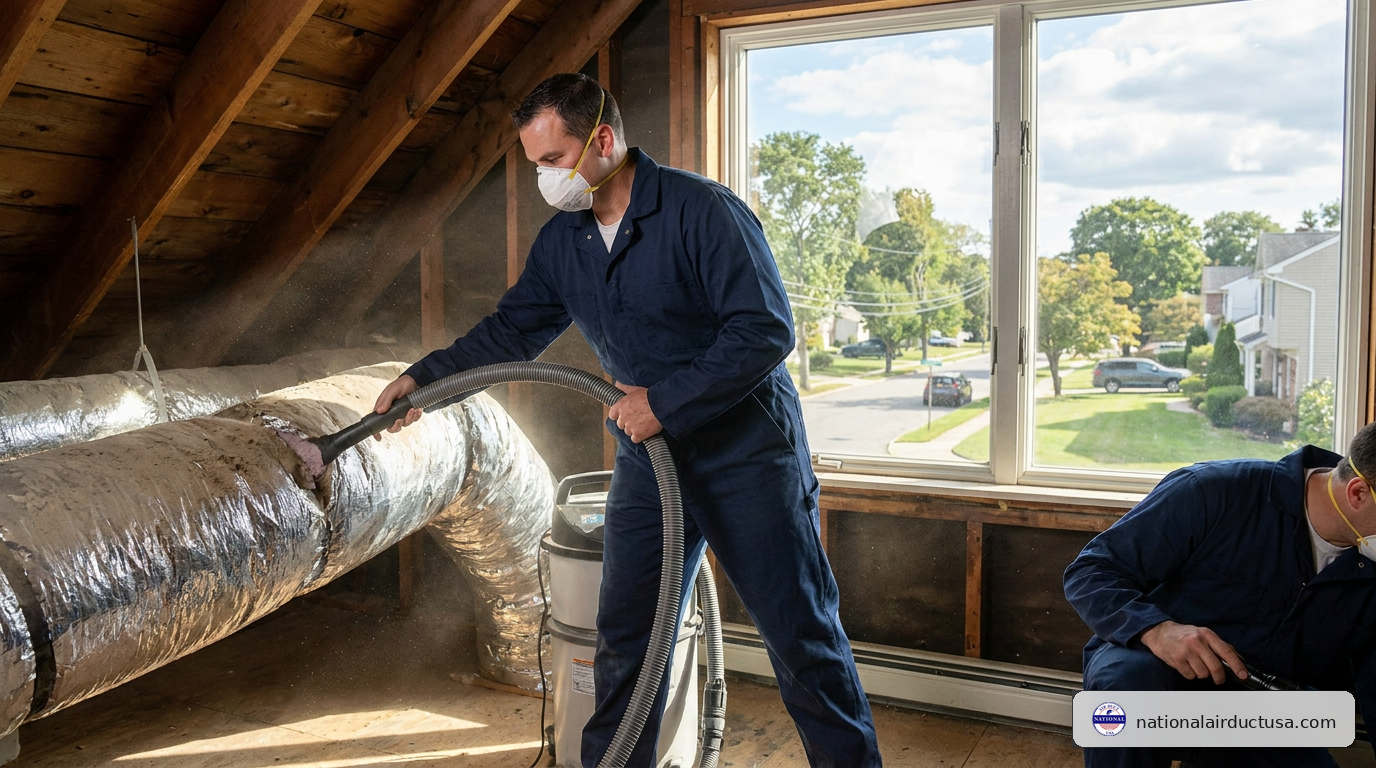
- The Importance of Clean Ducts: Think of your air ducts as the lungs of your home. If they’re clogged with years of dust, debris, allergens, and even mold spores, every breath you take inside could be compromised. Regular air duct cleaning removes these accumulations, ensuring that your HVAC system circulates truly clean air. Our NADCA-certified technicians specialize in this, making sure your system works efficiently to deliver fresh, healthy air. This is why Regular Air Duct Cleaning is Essential for Every Home in Long Island and Westbury.
- HEPA Filters and Air Purifiers: Beyond regular HVAC maintenance, consider using portable air purifiers with HEPA (High-Efficiency Particulate Air) filters. These devices can capture up to 99.97% of airborne particles as small as 0.3 microns, including PM2.5.
- Reducing Indoor Pollution Sources: Complementing air filtration, we can also minimize indoor sources of pollution. Use low-VOC (Volatile Organic Compound) paints and cleaning products, ensure proper ventilation when cooking, and avoid burning candles or using fireplaces excessively, especially on poor air quality days.
By taking these steps, we can create a much healthier indoor environment for our families, even when the outdoor Long Island air quality isn’t at its best.
Frequently Asked Questions about Air Quality
We understand that air quality can be a complex topic, and you likely have questions about what it means for you and your family here on Long Island. Here are some of the most common questions we hear, answered simply and clearly.
What is a “good” AQI number for Long Island?
For Long Island air quality, an Air Quality Index (AQI) number between 0 and 50 is considered ‘Good’. This means the air quality is satisfactory, and air pollution poses little or no risk to your health. We’re generally quite lucky here on Long Island, with many days falling into this category. When the AQI is between 51 and 100, it’s considered ‘Moderate’. While still acceptable, sensitive individuals (like those with asthma or heart conditions, children, and older adults) should consider limiting prolonged outdoor exertion on these days.
What is the main cause of poor air quality on Long Island?
The primary pollutant affecting Long Island air quality is often fine particulate matter (PM2.5). This comes from a variety of sources, including vehicle emissions from our busy roads, industrial activity in certain areas, and power plants. Another significant concern, especially during the warmer months from April to September, is ground-level ozone. This forms when other pollutants react in sunlight. Beyond these local sources, external events like regional wildfires (especially those in Canada, as we saw in 2023) can also cause significant, albeit temporary, spikes in our air pollution levels, sometimes leading to widespread haze and hazardous conditions.
How can I get air quality alerts for my area?
Staying informed about Long Island air quality is easier than you might think! The most effective way to get real-time data and forecasts, including health advisories, is to sign up for notifications. We highly recommend the EPA’s Enviroflash program, which partners with the New York State Department of Environmental Conservation (NYS DEC). You can sign up for email or text notifications, allowing you to choose when you want to be alerted—for example, when the AQI reaches a moderate or unhealthy level. This ensures you receive daily forecasts and immediate alerts, helping you plan your activities and protect your family on days when air quality might not be optimal. Visit enviroflash.info to sign up!
Take Control of Your Home’s Air Quality
Monitoring Long Island air quality is the first step in understanding our environment, but it’s equally important to consider what’s happening inside our homes and businesses. The reality is, the outdoor air directly impacts your indoor environment. Every time a door opens, a window cracks, or your HVAC system draws in fresh air, whatever pollutants are outside can come inside.
Once inside, these pollutants and allergens can become trapped, recirculating through your home or office day after day. This is where our expertise at National Air Duct USA comes in. Your HVAC system, including its intricate network of air ducts, is your first line of defense against these airborne invaders. A clean, well-maintained HVAC system is crucial for efficiently filtering and circulating healthy air.
At National Air Duct USA, we’re dedicated to helping Long Island residents and businesses in communities like Westbury, Hempstead, Garden City, Hicksville, Freeport, Nassau County, and Suffolk County ensure the air your family breathes is as clean as possible. Our NADCA-certified technicians provide fast, reliable service for professional air duct cleaning, HVAC system cleaning, and dryer vent cleaning, all with transparent pricing and a 100% satisfaction guarantee. We believe everyone deserves to breathe cleaner air.
Don’t let outdoor air quality concerns translate into indoor health risks. Take control of your home’s air quality today.
Ready to ensure your home or business is an oasis of clean air? View our professional cleaning services and let us help you breathe easier.