Understanding Air Duct Sanitization: What You Need to Know
How to sanitize air ducts involves more than just basic cleaning. It’s a process that requires professional equipment and a clear understanding of what can and cannot be done. While many Long Island homeowners are interested in sanitizing their air ducts for better indoor air quality, it’s important to know the industry’s regulations and limitations.
The confusion starts with the terms themselves. Cleaning, sanitizing, and disinfecting are not interchangeable. A standard cleaning simply removes visible dust and debris through physical means. According to the EPA, a sanitizer reduces bacteria by 99.9%, while a disinfectant kills nearly 100% of specific pathogens.
Here’s the challenge: No EPA-registered products currently exist for sanitizing or disinfecting the interior surfaces of air ducts themselves. This means that despite what some companies advertise, legally applying antimicrobial treatments inside your ductwork isn’t permitted under federal law. The key takeaway here is “source removal.” As the National Air Duct Cleaners Association (NADCA) emphasizes, the single best method for maintaining a clean and healthy HVAC system is the physical removal of contaminants and debris.
That doesn’t mean your ducts can’t benefit from professional treatment – it just means understanding what’s actually possible, legal, and effective for your specific situation. While we can’t legally “sanitize” or “disinfect” your ductwork interior, we can certainly clean it thoroughly and address microbial issues on other system components that contribute to your indoor air quality.
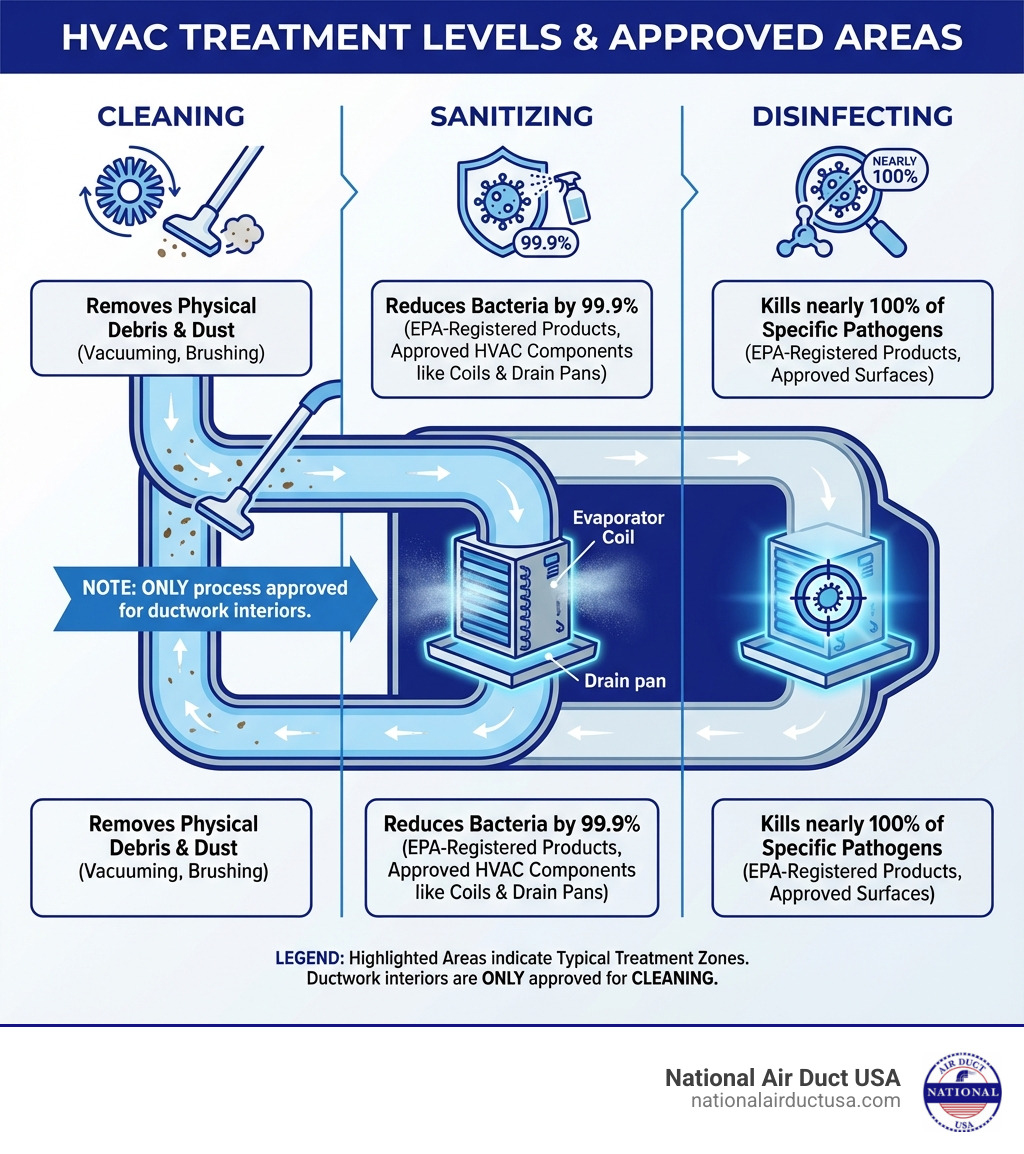
Basic how to sanitize air ducts terms:
When to Consider Air Duct Sanitizing
While routine “sanitizing” of duct interiors isn’t permitted, a professional cleaning and targeted treatment of HVAC components become essential in certain situations. If you’re experiencing any of the following in your Long Island home, your HVAC system needs expert attention.
Signs Your Air Ducts Need More Than Just Cleaning
Don’t ignore these warning signs from your HVAC system:
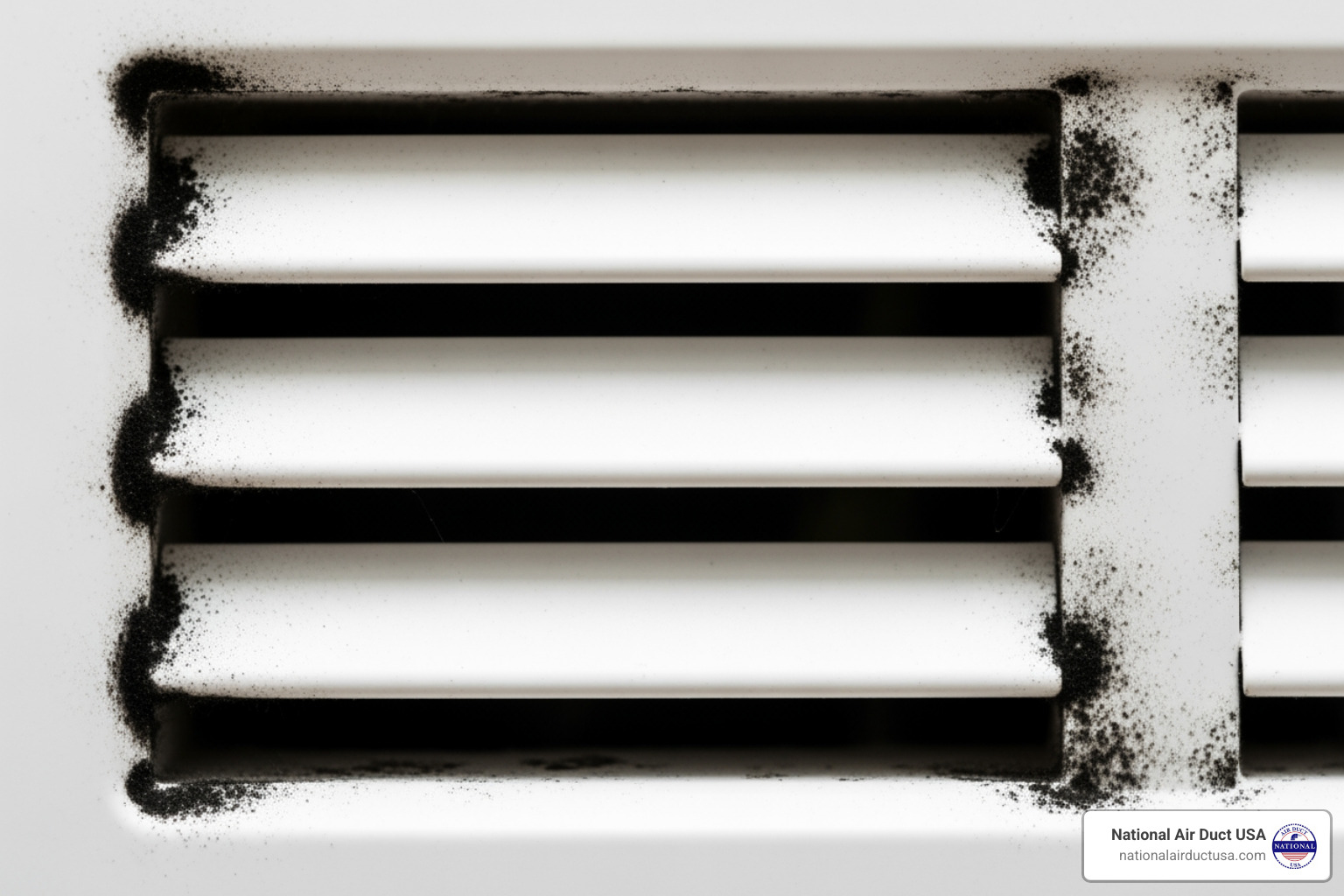
- Substantial Visible Mold Growth: Seeing mold inside ducts or on HVAC components is a serious problem. Mold can spread spores, worsening allergies and respiratory issues. If insulated ducts are moldy, they often need replacement.
- Rodent or Insect Evidence: Droppings, nests, or pests in your duct system are a clear sign that professional cleaning is needed to remove bacteria, allergens, and odors.
- Excessive Debris Post-Renovation: Home renovations in Westbury or Nassau County can fill your ducts with construction debris and dust, significantly reducing air quality.
- Persistent Musty or Foul Odors: A musty smell from your vents when the HVAC system runs can indicate microbial growth (like mold or mildew) or pests within the system.
- Unexplained Respiratory Issues: If family members have unexplained allergies, coughing, or sneezing that worsens indoors, dirty air ducts could be a contributing factor. Removing irritants from your air system can help.
A light amount of dust is normal, but large deposits or any of the signs above mean it’s time to call the professionals. For more information, visit our Air Duct Cleaning page.
Dangers of Contaminated Ductwork
Ignoring dirty air ducts can negatively impact your health, home, and wallet.
- Worsened Allergies and Asthma: Ducts can harbor allergens like dust mites, pet dander, pollen, and mold spores, which are then circulated throughout your home, triggering symptoms in sensitive individuals in places like Garden City or Hicksville.
- Circulation of Bacteria and Viruses: Organic matter and moisture in your HVAC system can support the growth of bacteria and viruses on components like coils, which are then distributed into your air.
- Reduced HVAC Efficiency: Dust and debris restrict airflow, forcing your system to work harder. This leads to more wear and tear and potential breakdowns.
- Energy Waste: A struggling HVAC system uses more energy. Dirty ducts can waste 25 to 40 percent of the energy used for heating or cooling, increasing your utility bills.
- Poor Indoor Air Quality: Instead of circulating clean air, a dirty system can become a source of pollutants, making your home less comfortable and healthy.
We believe a cleaner system means a healthier home and more efficient operation, which is why we focus on thorough source removal cleaning.
The Professional Guide on How to Sanitize Air Ducts
When dealing with mold or pest infestations in your HVAC system, professional intervention is essential. While we don’t “sanitize” the duct interior due to EPA regulations, our comprehensive approach ensures a healthier system.
DIY Considerations: Can I Sanitize My Air Ducts Myself?
While DIY projects can be tempting, attempting to sanitize air ducts yourself can cause more harm than good. Here’s why experts recommend you don’t clean ducts yourself:
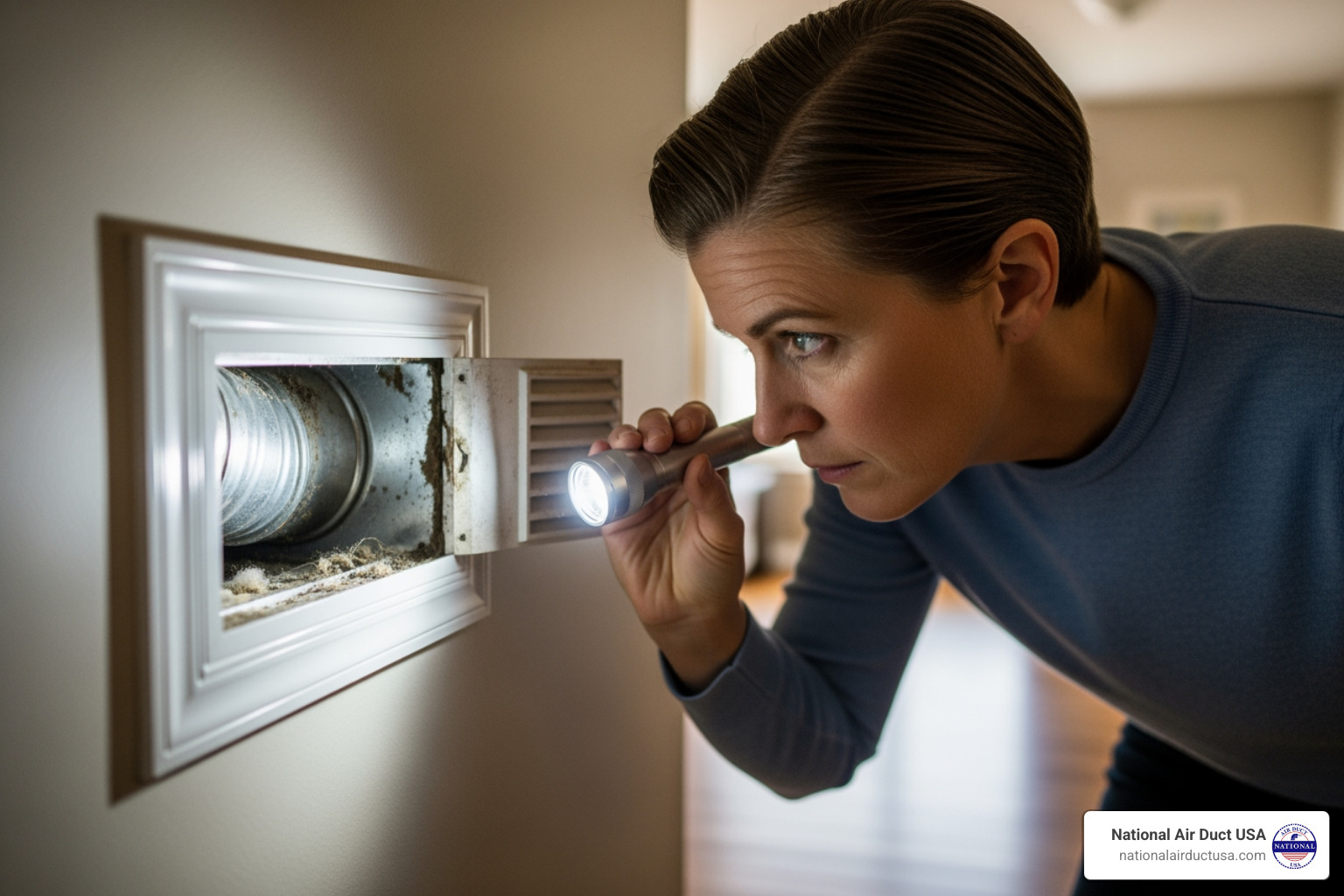
- DIY Limitations: A household vacuum can’t reach deep into your ductwork or clean components like the furnace and evaporator coils.
- Safety Risks: Handling chemicals without proper training and personal protective equipment (PPE) is dangerous. You also risk electrical shock or injury from sharp metal edges inside the HVAC system.
- Lack of Specialized Equipment: Professionals use high-powered vacuums and rotating brushes to dislodge and extract debris. Without this equipment, you’re likely just stirring up contaminants.
- Potential for Damage: Improper cleaning can damage your ductwork, especially flexible ducts, leading to costly repairs.
- Ineffective Results: A DIY attempt will only provide a superficial clean, potentially spreading mold spores and other particles throughout your home.
For issues like mold or pests, a professional service has the training and tools to handle the job safely and effectively, ensuring the health of your HVAC system in Suffolk County.
What to Expect from a Professional Service for How to Sanitize Air Ducts
When you call National Air Duct USA, you’re investing in a thorough process to improve your air quality and system efficiency. Here’s what to expect:
- Initial Inspection: Our NADCA-certified technicians inspect your HVAC system to assess contamination, identify issues like mold, and determine the best approach.
- Protecting Your Home: We use drop cloths and shoe covers to protect your floors and furnishings.
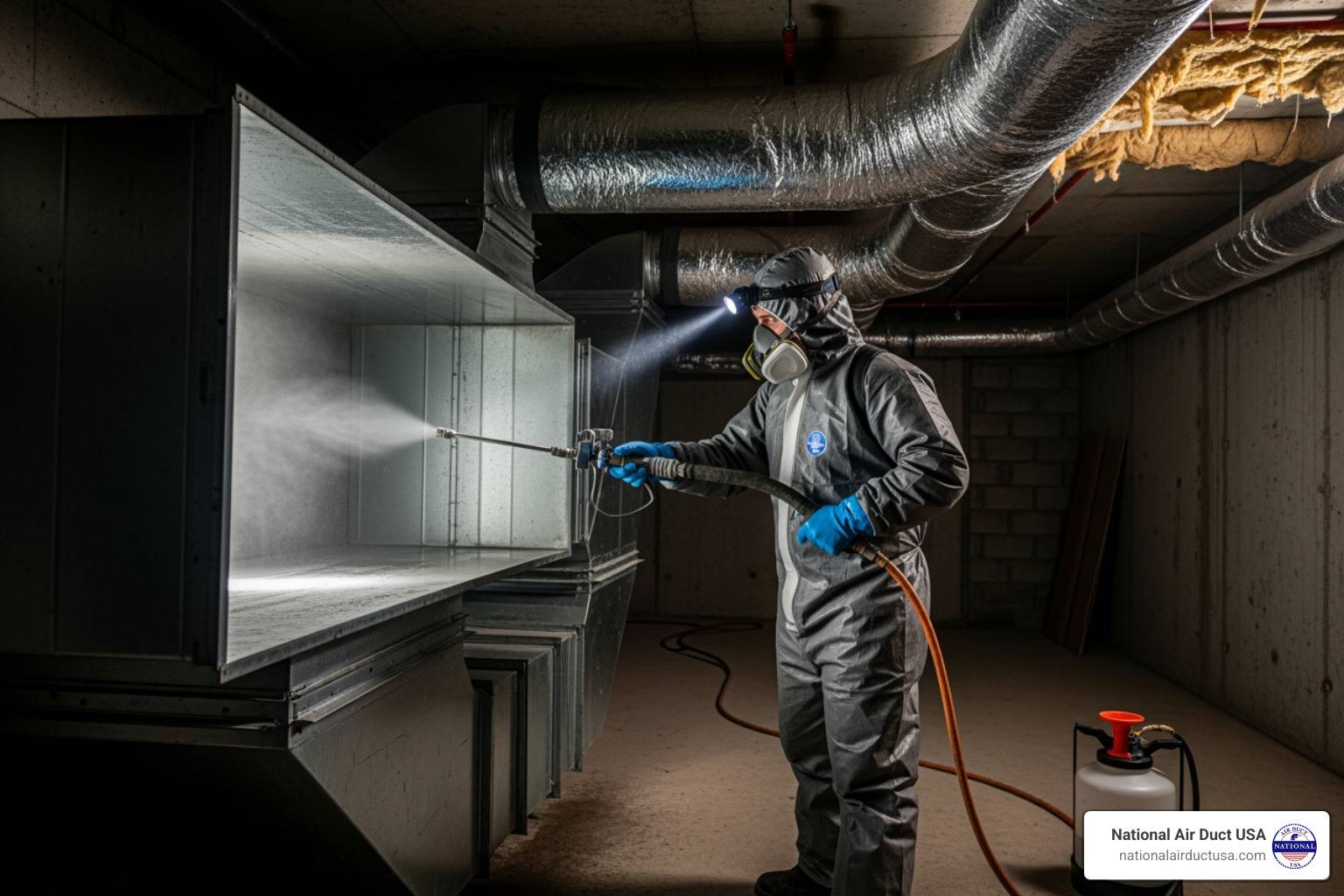
- High-Powered Cleaning (Source Removal): We use state-of-the-art vacuums and agitation tools to dislodge and extract contaminants from your entire ductwork. This “source removal” method is the most effective way to clean your system, and all debris is captured in a sealed system.
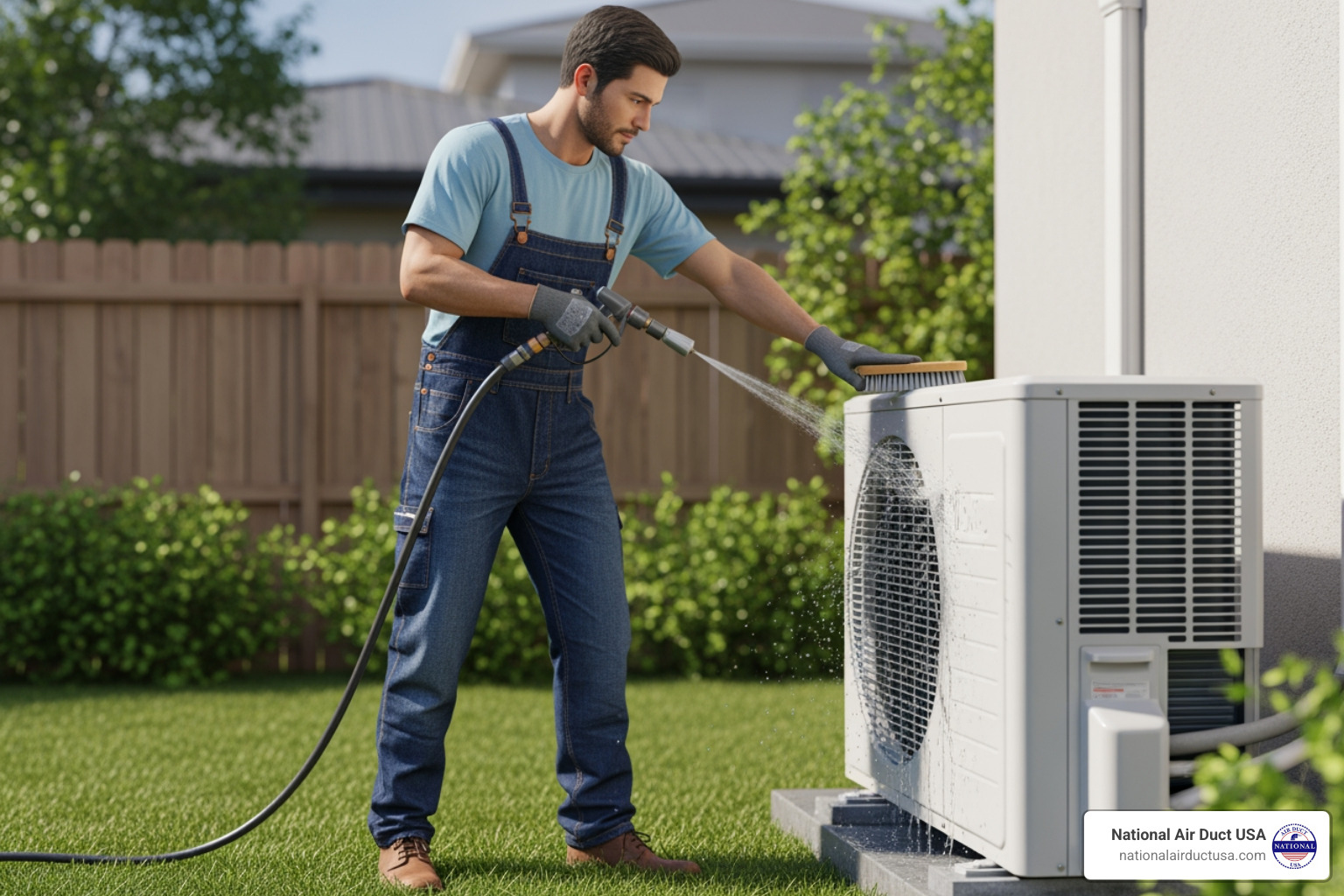
- Targeted Antimicrobial Application (for Components): While we don’t sanitize duct interiors, we can apply EPA-registered antimicrobial products to components like coils and drain pans where microbial growth occurs. This helps inhibit future growth and eliminate odors. We will advise if occupants need to leave the home for a few hours for ventilation.
- Post-Cleaning Inspection: We conduct a final inspection to show you the results and ensure your system is reassembled correctly and running efficiently.
We are committed to delivering great service while respecting your space. Find a NADCA professional duct cleaner near you by looking for companies like ours that adhere to the highest industry standards.
How to Choose a Reputable Professional
Choosing the right professional is crucial. Here’s how to select a trustworthy service provider in Long Island:
- NADCA Certification: This is the gold standard. It ensures technicians are trained and follow industry best practices. Our technicians are NADCA-certified.
- Proof of Insurance: Always ask for proof of liability insurance to protect your property.
- Check Reviews: A reputable company will have a strong track record. Check online reviews and ask for references.
- Get a Written Estimate: A detailed written estimate should outline the scope of work, methods, and total cost. Be wary of low-priced phone quotes.
- Avoid Exaggerated Health Claims: Be cautious of companies making unproven claims about curing allergies or diseases.
- Understand the Process: A good professional will explain their cleaning process, equipment, and what to expect.
- Local Presence and Experience: Choose a company with a proven history in the Long Island area. We’ve served the community for over 30 years.
The EPA does not certify air duct cleaning companies, so be wary of anyone claiming “EPA certification.” Following these tips will help you choose a qualified provider for your HVAC System Cleaning.
Benefits, Safety, and Sanitizing Agents
While our primary goal is thorough cleaning (source removal), treating specific HVAC components with EPA-registered products adds an extra layer of protection and provides significant benefits.
Are the Chemicals Used for Sanitizing Safe?
Your family’s safety is our top priority. Here’s how we ensure it:
- EPA-Registered Products: We only use EPA-registered antimicrobial products designed for HVAC systems. These have been evaluated for safety and effectiveness when used as directed. The EPA registers antimicrobial pesticides, including disinfectants, for use on pathogens.
- Safety Data Sheets (SDS): We can provide Safety Data Sheets for any product we use, which detail its ingredients and safe handling procedures.
- Low-Toxicity Options: We prioritize low-toxicity, effective products. Some solutions we use are also found in hospitals and can provide protection for up to six months.
- Proper Ventilation: Proper ventilation is crucial. We may advise that occupants leave the home for a few hours (typically 2-8) to allow fumes to dissipate, especially if anyone has respiratory sensitivities. We will always discuss this with you beforehand.
We strictly follow all federal laws and EPA label instructions to ensure both effectiveness and safety. You can find more information on EPA guidance on disinfectants in HVAC systems.
The Benefits of a Professionally Cleaned & Treated System
A comprehensive cleaning and targeted antimicrobial treatment of HVAC components offers numerous benefits for your Long Island home:
- Reduced Airborne Allergens: Removing dust, dander, pollen, and mold spores from your system can provide significant relief for allergy sufferers in areas like Westbury or Freeport.
- Elimination of Mold and Bacteria (on Components): Treating coils and drain pans prevents the spread of microorganisms, creating a healthier living environment.
- Fresher Smelling Home: A thorough cleaning and treatment can eliminate lingering odors from pets, cooking, or mold, leaving your home smelling fresh.
- Potential for Improved Respiratory Health: Many clients report easier breathing and fewer respiratory issues after our service.
- Improved HVAC System Performance: A clean system runs more efficiently, leading to better airflow, more consistent temperatures, and lower energy bills, while also extending the life of your equipment.
These benefits provide peace of mind, knowing your home’s air is as clean as possible. We also offer UV Light Installation for continuous air purification.
Frequently Asked Questions about Air Duct Sanitizing
We understand you have questions, and we’re here to provide clear, straightforward answers about how to sanitize air ducts and maintain your HVAC system.
How often should air ducts be sanitized?
It’s important to distinguish between cleaning and sanitizing.
- Air Duct Cleaning: We recommend a professional cleaning every 2 to 3 years to remove the normal buildup of dust and debris. Homes with pets, allergies, or recent renovations may need it more often.
- Targeted Antimicrobial Treatment (for Components): This is not a routine task. We only recommend applying EPA-registered antimicrobial treatments to specific HVAC components (like coils or drain pans) when there’s a confirmed issue, such as visible mold, persistent musty odors, water damage, or a pest infestation.
Think of cleaning as regular maintenance and sanitizing as a specific treatment for a problem.
Can air duct sanitizing really help with my allergies?
Yes. While not a “cure,” a professionally cleaned HVAC system with targeted antimicrobial treatment on components can create a more allergy-friendly environment in your Long Island home.
- Reduces Triggers: Our cleaning process physically removes allergens like mold spores, pet dander, and dust mites from your ductwork.
- Neutralizes Contaminants: Applying EPA-registered products to components like coils helps eliminate mold and bacteria at the source.
- Improves Indoor Air Quality: With fewer allergens circulating, many of our clients in Hicksville and Suffolk County report a noticeable reduction in allergy symptoms.
This service is most effective when combined with regular Air Duct Cleaning and other good indoor air quality practices, like changing your air filters.
What is the difference between a sanitizer and a disinfectant?
The EPA defines them differently based on their effectiveness:
- Sanitizer: Reduces the number of bacteria on a surface by 99.9%. It lowers the germ count to a safe level.
- Disinfectant: Kills nearly 100% of specific microorganisms, including bacteria, viruses, and fungi, on a hard, non-porous surface.
Our technicians will assess your system and recommend the appropriate EPA-registered product for the specific components that need treatment.
Breathe Cleaner Air with Professional Sanitization
At National Air Duct USA, we know that a healthy home starts with healthy air. While the term how to sanitize air ducts can be confusing, our mission is to provide effective, safe, and compliant solutions for your indoor air quality.
We believe that professional cleaning, combined with targeted antimicrobial treatments for HVAC components, is the best approach for homeowners in Long Island, Westbury, Hempstead, Garden City, Hicksville, Freeport, Nassau County, and Suffolk County. Our NADCA-certified technicians are experts in source removal cleaning, physically removing contaminants from your system. When needed, we use EPA-registered products on components like coils and drain pans to address mold and bacteria, eliminating odors and creating a healthier indoor environment.
Don’t let misleading claims deter you from achieving cleaner air. We pride ourselves on transparency and expertise. Choosing a professional service ensures your HVAC system is treated safely and effectively, improving your indoor air quality for a healthier home and family.
Ready to experience the difference a truly clean HVAC system can make? Explore our professional services today and let us help you breathe easier.