Why Your Home’s Air Needs More Than Just Cleaning
AC duct sanitizer is a specialized product or system designed to kill bacteria, viruses, mold, and other harmful microorganisms living inside your HVAC ductwork. Here’s what you need to know:
Quick Answer for Homeowners:
- What it is: EPA-registered antimicrobial treatments (chemical sprays, foggers) or UV-C light systems that sanitize ductwork
- Why it matters: Kills germs and mold that cleaning alone can’t remove
- Common types: Thymol-based foggers, chlorine dioxide sprays, or UV light installations
- When to use: After professional duct cleaning, when you see mold, or smell persistent odors
- How long it lasts: 2-6 months for chemical treatments; continuous for UV systems
- Safety: EPA-approved products are safe when applied by professionals
You probably think changing your air filter keeps your indoor air clean. But here’s the reality: indoor air pollutants are often 2 to 5 times higher than outdoor levels—and sometimes exceed outdoor levels by 100 times.
Your air ducts can harbor invisible threats. Bacteria breed in condensation on coils. Mold spores multiply in dark corners. Viruses cling to dust particles. Every time your HVAC system kicks on, it can spread these contaminants throughout your home.
That’s where sanitization comes in. While cleaning removes visible dirt and debris, sanitizing actually kills the microorganisms that threaten your family’s health. It’s the difference between sweeping your floor and disinfecting it.
For Long Island homeowners dealing with humidity, seasonal allergies, or concerns about family health, understanding AC duct sanitizers isn’t optional anymore—it’s essential.
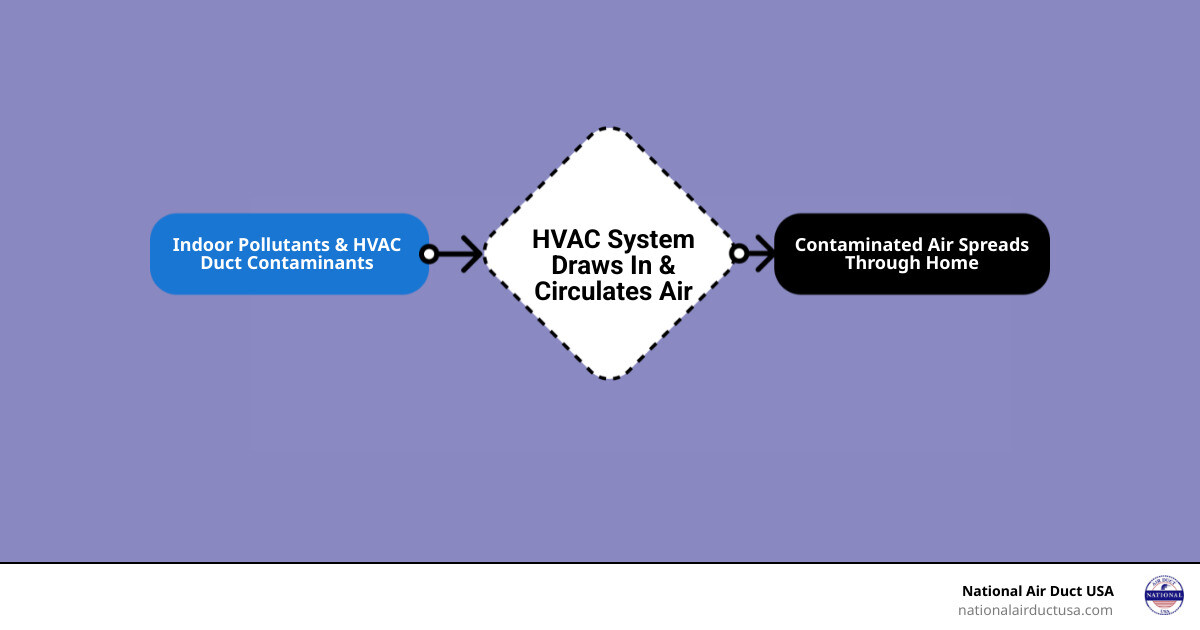
The Critical Difference: Air Duct Cleaning vs. Sanitizing
When we talk about improving your home’s indoor air quality, it’s easy to get “cleaning” and “sanitizing” mixed up. They might sound similar, but they’re two distinct steps in creating a truly healthy breathing environment. Think of it like washing your hands versus sanitizing them – both are good, but one goes a step further in germ elimination.
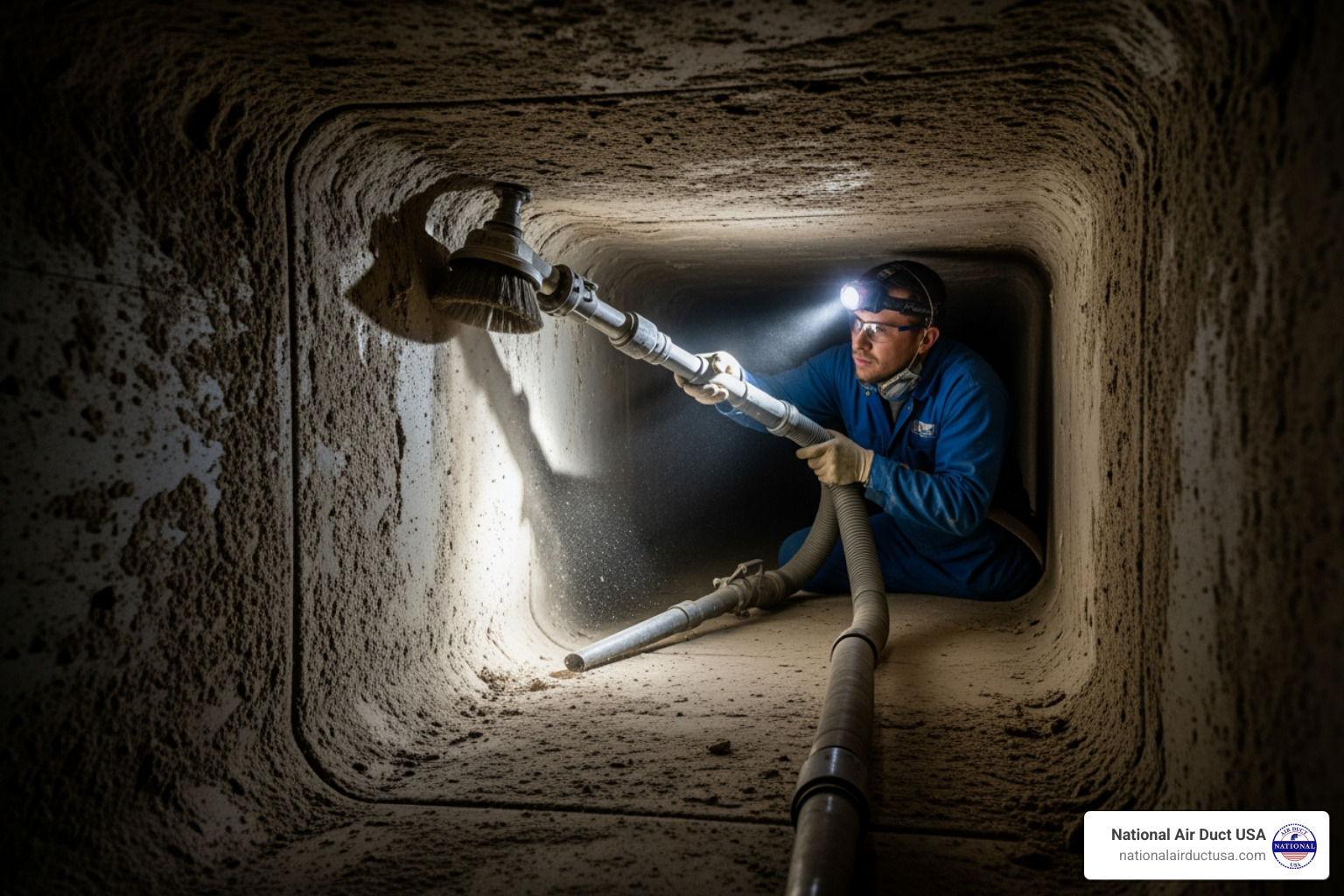
Air duct cleaning is the essential first step. This is where our NADCA-certified technicians get down to business, removing all the visible and not-so-visible gunk that accumulates in your ductwork. This includes a surprising array of contaminants: dust, pet dander, pollen, lint, construction debris, and even remnants of pest activity. We use powerful equipment, often truck-mounted systems with impressive suction (around 12,000 CFMs!), along with specialized tools like rotary brushes and air whips, to dislodge and extract these materials from every nook and cranny of your ducts. This process is crucial because physical debris can impede airflow, reduce HVAC efficiency, and provide a breeding ground for microorganisms. You can learn more about this vital service on our dedicated page for Air Duct Cleaning.
Once the ducts are thoroughly clean, we move on to sanitizing. This is where the magic happens for truly banishing bacteria, viruses, and mold. Sanitizing involves applying an antimicrobial agent designed to kill microorganisms that might remain after cleaning. While cleaning removes the bulk of contaminants, microscopic spores, bacteria, and viruses can still cling to duct surfaces. Sanitization targets these invisible threats, neutralizing them and preventing future growth. It’s especially important in humid areas like Long Island, where mold and mildew can be a persistent concern.
Cleaning is about removing physical pollutants, while sanitizing is about eliminating biological ones. You wouldn’t skip vacuuming before mopping, and similarly, you shouldn’t skip cleaning before sanitizing your air ducts. One prepares the way for the other, ensuring a comprehensive approach to indoor air quality.
A Guide to AC Duct Sanitizer Types and Technologies
Choosing the right AC duct sanitizer for your home is a bit like choosing the right detergent – it depends on your specific needs. Are you battling severe allergies, persistent odors, or concerned about mold? Understanding the different types of sanitizers available will help us tailor the perfect solution for your Long Island home.
Chemical-Based Sanitizers (Foggers & Sprays)
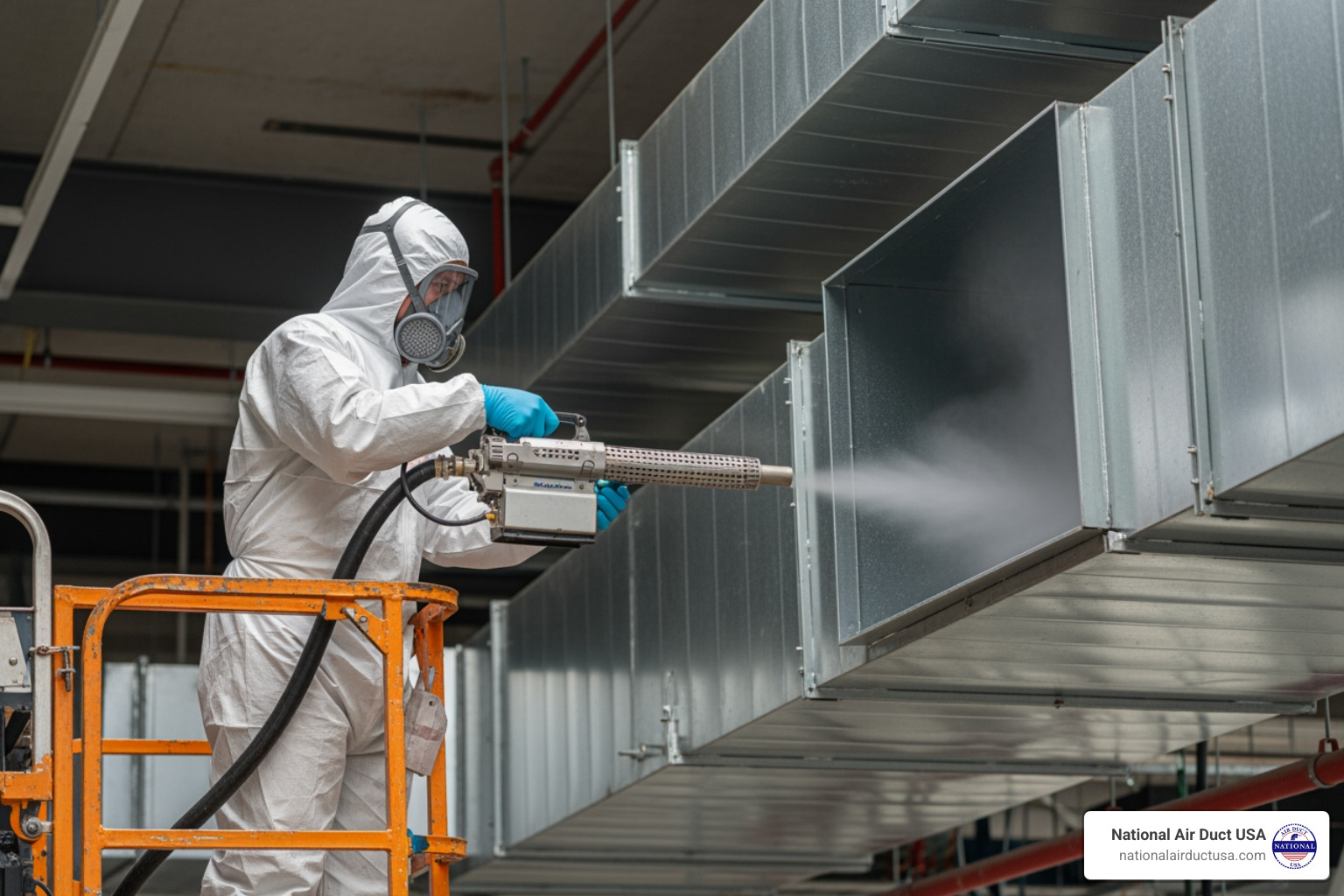
Chemical-based sanitizers are often applied as fogs, mists, or sprays directly into your ductwork after a thorough cleaning. They work by coating the interior surfaces of the ducts, killing microorganisms on contact and often leaving a protective layer that inhibits future growth.
Many of these products are EPA-registered solutions, meaning they’ve been evaluated and approved for effectiveness and safety. This is a crucial detail, as it ensures the product is safe for use in residential settings when applied correctly by professionals. As a broad-spectrum disinfectant, an EPA-registered solution is designed to target a wide range of pathogens.
Common active ingredients we encounter include:
- Thymol: This is a plant-based compound derived from thyme oil, known for its antimicrobial, antifungal, and antiviral properties. Products containing thymol, like Decon 30 (mentioned in our research), are highly effective, killing 99.9% of germs in as little as 30 seconds. What’s more, thymol-based solutions are often lauded for their low toxicity and are even EPA-approved as having no known adverse effects on humans, making them a great choice for homes with children and pets. They often leave a light, botanical scent that dissipates quickly.
- Chlorine Dioxide Technology: Products like Bio-Fresh cd, also mentioned in our research, use this technology. Chlorine dioxide is a powerful bacteriostat, fungistat, and deodorizer. It’s effective against bacteria, mold, mildew, fungi, and yeast and is EPA-registered for application in various HVACR systems, including coils, condensate pans, filters, and ductwork. It can even be sprayed in occupied areas, highlighting its safety profile.
- Other Antimicrobials: More potent options, such as Sporocidin (containing Phenol and Sodium Phenate), are available for severe situations. These can kill viruses, bacteria, and fungi rapidly, often used when a more aggressive approach is needed. Vital Oxide is another example, approved for antimicrobial control of non-pathogenic microorganisms, odor-causing bacteria, mold fungus, and odor-causing fungi in HVAC systems.
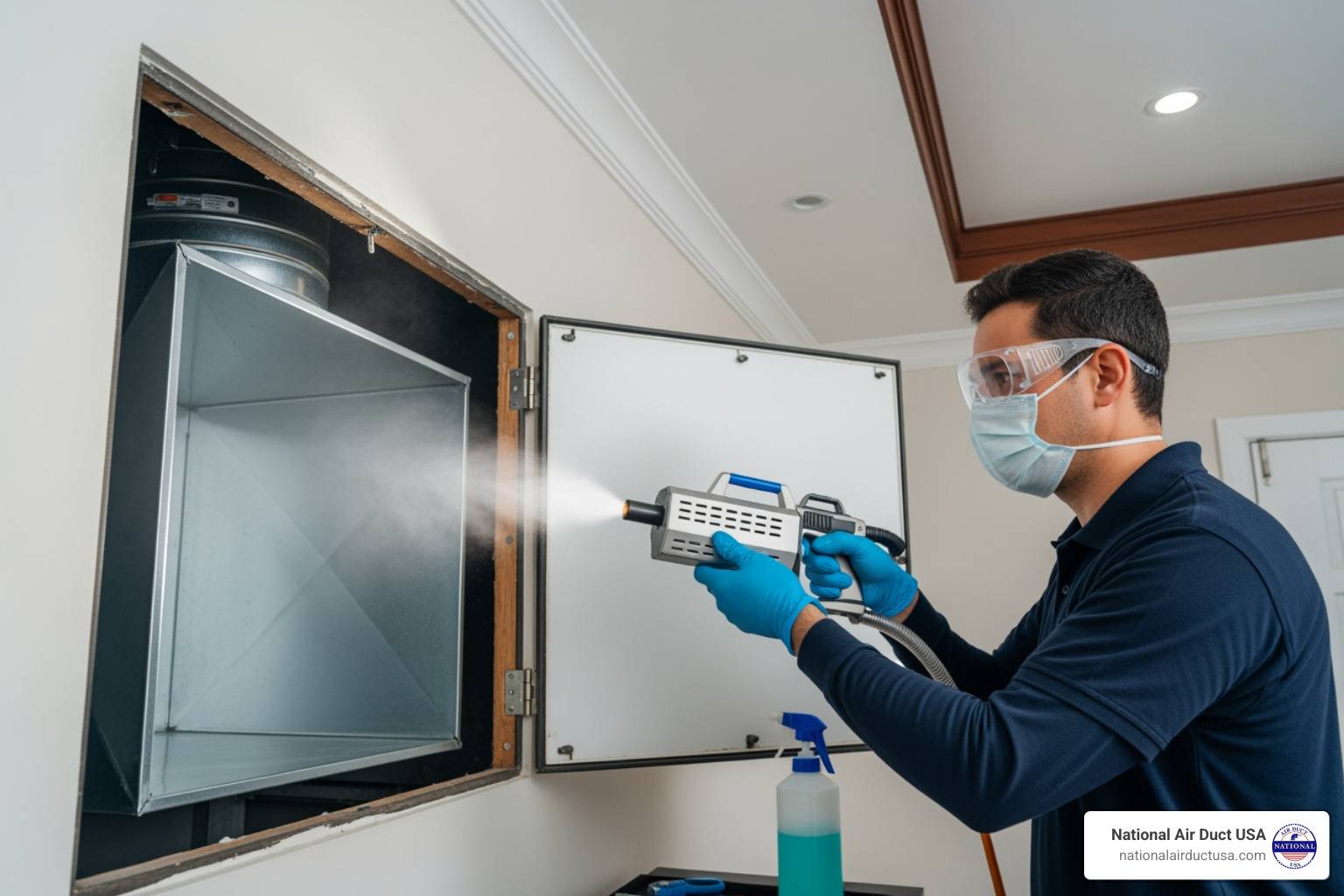
These solutions are applied using specialized fogging or misting equipment, which atomizes the liquid into fine particles that can penetrate deep into the duct system, ensuring comprehensive coverage. The goal is to disinfect the interior surfaces of your air ducts while simultaneously cleaning and deodorizing.
UV Light Sanitization Systems
Beyond chemical treatments, another powerful option for duct sanitization comes in the form of UV light systems. These systems offer continuous, chemical-free sanitization and are installed directly within your HVAC ductwork.
The core of this technology is UV-C light, specifically germicidal irradiation. UV-C light works by damaging the DNA and RNA of mold spores, bacteria, and viruses, effectively preventing them from replicating and rendering them harmless. It’s a method used in various industries for its proven germicidal properties. We specialize in UV Light Installation for HVAC systems, bringing this advanced sanitization directly to your home.
Some advanced UV systems incorporate Photocatalytic Oxidation (PCO). Systems like APCO® and Restore™ (mentioned in our research) combine UVC light with activated carbon cells. Here’s how it works: the activated carbon cells attract and hold odors and microbes, and then the UV light catalyzes these contaminants, breaking them down into harmless water vapor and carbon dioxide. This dual-action approach is incredibly effective against a broad spectrum of indoor air pollutants, including Volatile Organic Compounds (VOCs), which are often responsible for chemical odors. Restore™ has even been validated as ozone-free by UL Labs, addressing a common concern with some UV technologies.
Other UV-based systems, like the Guardian Air QR+, use UV-C light to create low levels of airborne hydrogen peroxide. This “active” purification process then disperses the hydrogen peroxide throughout your home via the ductwork, effectively reducing bacteria, mold spores, viruses, and odors at their source.
While UV lights offer continuous protection, it’s important to understand their nuances. They are most effective in confined, enclosed spaces like air ducts and air handlers. Their efficacy can be impacted by factors like dust buildup on the lamp, airflow speed (contaminants need sufficient exposure time), and whether the pathogen is embedded in a porous surface. UV lights are an excellent supplementary measure to traditional cleaning and chemical sanitization, providing ongoing defense against airborne threats.
How to choose the right ac duct sanitizer for your home
Deciding on the best AC duct sanitizer for your home in Long Island, Westbury, or any of our service areas comes down to a careful assessment of your specific needs and priorities. We’re here to guide you through the options.
Consider the following:
- Allergies or Respiratory Issues: If anyone in your home suffers from allergies, asthma, or other respiratory conditions, reducing airborne mold, pollen, bacteria, and viruses is paramount. Both chemical sanitizers and UV light systems can offer significant relief. Chemical sanitizers provide a powerful initial kill and protective coating, while UV lights offer continuous, ongoing protection.
- Pets and Children: Safety is always our top concern. We recommend EPA-registered chemical sanitizers that are proven safe for occupants, even during application in some cases (though we always follow strict safety protocols). Thymol-based products are often a favorite for their low toxicity. UV light systems are also excellent as they operate within the ductwork, keeping chemicals out of your living space.
- Recent Illness or Health Concerns: If your family has recently battled a widespread illness, or if you’re particularly concerned about viruses circulating, a thorough sanitization can provide peace of mind. More potent chemical options might be considered in such cases.
- Mold Concerns: Visible mold growth or persistent musty odors (especially common in humid areas like Nassau and Suffolk Counties) are clear indicators that mold is present. Chemical sanitizers are highly effective at killing existing mold spores and inhibiting future growth. UV lights can also prevent mold from forming on coils, a common source.
- Odor Problems: Lingering pet odors, cooking smells, or a general stale scent can be effectively eliminated by both types of sanitizers. Chemical foggers often include deodorizing agents, and UV/PCO systems are excellent at breaking down odor-causing VOCs.
The choice often comes down to a combination of factors and your preference for a one-time treatment versus continuous protection. For a powerful initial cleanse and a protective barrier, chemical sanitizers are excellent. For ongoing, proactive defense against airborne pathogens, UV light systems are an invaluable investment.
We always recommend professional application. While some DIY products exist, proper application, ensuring safety, and achieving comprehensive coverage require specialized equipment and expertise. Our NADCA-certified technicians are trained to handle these products safely and effectively, ensuring no harm to your ductwork or your family.
Benefits, Application, and Safety of an AC Duct Sanitizer
Investing in an AC duct sanitizer for your home in Hempstead, Garden City, or anywhere on Long Island isn’t just about cleaning; it’s about maximizing your home’s air quality, protecting your family’s health, and enjoying long-term peace of mind.
The Top Benefits of Sanitizing Your Ducts
The advantages of sanitizing your air ducts are numerous and impactful:
- Improved Indoor Air Quality: This is the big one! By eliminating the microscopic contaminants that cleaning alone can miss, sanitizing drastically improves the overall purity of the air circulating in your home. Stat? Indoor air can be 2 to 5 times dirtier than outdoor air. Sanitization helps flip that script.
- Reduced Allergens: For those suffering from seasonal allergies or year-round sensitivities, sanitizing can be a game-changer. It inhibits mold growth and neutralizes other airborne irritants, leading to fewer sneezes, sniffles, and irritated eyes.
- Mold Growth Inhibition: Mold thrives in dark, damp environments like air ducts. Sanitizers kill existing mold spores and create an inhospitable environment for new growth, which is particularly beneficial in humid climates like ours.
- Bacteria and Virus Reduction: This is perhaps the most compelling benefit. Sanitizers kill disease-causing bacteria and viruses, reducing their spread throughout your home. Products like thymol-based disinfectants are proven to kill 99.9% of common germs. This is especially comforting during flu season or for households with vulnerable individuals.
- Odor Elimination: Are you tired of persistent pet odors, lingering cooking smells, or that unavoidable musty scent? Sanitizers don’t just mask odors; they eliminate the bacteria, mold, and VOCs that cause them. Imagine walking into a home that simply smells fresh, not like a cover-up!
- Peace of Mind: Knowing that your HVAC system isn’t circulating harmful pathogens throughout your living space provides an invaluable sense of security for you and your family.
Are AC duct sanitizers safe for your home?
A common and very valid question we receive is about the safety of AC duct sanitizer products, especially for homes with children and pets. We want to assure you that when applied correctly by certified professionals, EPA-registered sanitizers are indeed safe.
- Importance of EPA Registration: We exclusively use products that are EPA-registered. This means they have undergone rigorous testing and evaluation to ensure they are effective against microorganisms while posing minimal risk to humans and animals when used as directed. Many of these products are approved for use in sensitive environments like hospitals, schools, and nursing homes.
- Low-Toxicity Options: We often use low-toxicity options, such as thymol-based products derived from natural ingredients. These are recognized for their safety profile and are an excellent choice for families with young children, pets, or individuals with sensitivities. These specific products are EPA-approved with no known adverse effects on humans.
- Potential Risks and How We Mitigate Them:
- Harsh Chemicals: We avoid harsh, corrosive chemicals that could damage your ductwork or release dangerous fumes. Our chosen products are non-corrosive and designed specifically for HVAC systems.
- Ozone Production: Some older or less reputable air purification systems (particularly certain ozone generators) can produce ozone, which is a lung irritant. We ensure that any UV light systems we install, like Restore™, are validated as ozone-free by UL Labs, eliminating this concern.
- Benefits of Professional Application: The key to safety lies in professional application. Our NADCA-certified technicians are trained in the correct dosage, application methods (like fogging into a running system to ensure proper circulation and dilution), and necessary ventilation protocols. This expertise minimizes any potential exposure and maximizes the product’s effectiveness without compromising your family’s health. You can rest easy knowing we’ve got safety covered.
When to Sanitize and How Long It Lasts
Knowing when to consider an AC duct sanitizer and understanding how long its effects will last are crucial for maintaining optimal indoor air quality in your Hicksville, Freeport, or other Central Florida home.
Here are some clear signs that it’s time to consider sanitization:
- After Professional HVAC System Cleaning: This is the ideal time. Once all the physical debris is removed, sanitizing can effectively kill any remaining microorganisms and coat the ducts to prevent future growth.
- Visible Mold Growth: If you see black or greenish spots in or around your vents, or on your HVAC coils, mold is present. Sanitization is critical to stop its spread.
- Persistent Musty Odors: A lingering, damp, or earthy smell, especially when your HVAC system is running, often indicates mold or mildew somewhere in the system.
- After Water Damage: Flooding, leaks, or even high humidity can introduce moisture into your ductwork, creating perfect conditions for microbial growth.
- Increased Allergy Symptoms: If family members are experiencing unexplained increases in allergies, coughing, or sneezing indoors, dirty and unsanitized ducts could be a major culprit.
- Infestations: Following a pest infestation (rodents, insects) in your ductwork, cleaning and sanitizing are absolutely essential to remove droppings, nesting materials, and associated bacteria.
- New Home or Renovation: Moving into a new home or completing a major renovation can stir up a lot of dust and contaminants, making sanitization a wise preventative measure.
- Homes with Pets: Pet dander and associated odors can build up quickly, making regular sanitization beneficial.
How long do the effects of AC duct sanitizer last?
- Chemical Treatments: For chemical sanitizers applied as fogs or sprays, the effects can typically last around six months. Products like Bio-Fresh cd, for instance, are noted to last for up to six months. This duration provides significant protection against microbial regrowth. Regular maintenance and professional cleaning every 2-3 years, combined with sanitization, will keep your air consistently fresh.
- UV Light Systems: UV light sanitization systems, once installed, offer continuous operation. The UV lamps typically need to be replaced periodically (e.g., every 18,000-25,000 hours for Guardian Air QR+ cells, or annually for some UV-C lamps), but the sanitizing effect is ongoing as long as the system is active. This makes them a great long-term investment for continuous air purification.
Frequently Asked Questions about AC Duct Sanitizers
We understand you might have more questions about AC duct sanitizers. Here are some of the most common inquiries we receive from our valued customers in Nassau County and beyond.
How is an AC duct sanitizer actually applied by a professional?
When you choose us for professional AC duct sanitizer application, you can expect a meticulous process that prioritizes effectiveness and safety.
First and foremost, the ducts must be thoroughly cleaned. We use our powerful truck-mounted vacuums and specialized tools to remove all dust, debris, and contaminants. Once the physical cleaning is complete, we then proceed with sanitization.
Our technicians use specialized fogging equipment or atomizers. These devices transform the liquid sanitizer into a fine mist or fog. This isn’t just spraying; it’s a controlled process designed to ensure the antimicrobial agent reaches every surface within your ductwork. The sanitizer is introduced into the system, often through strategically placed access points or intake vents, while the HVAC fan is running. This allows the mist to circulate throughout the entire duct network, coating the interior surfaces.
The goal is to achieve comprehensive coverage, ensuring that the sanitizer comes into contact with any lingering bacteria, viruses, or mold spores. Our NADCA-certified technicians follow strict safety protocols, including proper ventilation and personal protective equipment, to ensure a safe environment for both our team and your household. The non-corrosive nature of the products we use also means there’s no risk of damage to your ductwork.
Can I just spray a household disinfectant into my air vents?
We strongly advise against attempting to spray household disinfectants into your air vents. While your intentions might be good, this DIY approach is generally ineffective and can even be detrimental.
Here’s why it’s not recommended:
- Ineffective Coverage: Household sprays are designed for surface application, not for penetrating an entire complex duct system. You’ll only cover a tiny fraction of your ductwork, leaving the vast majority unsanitized.
- Potential Damage to Ductwork: Many household cleaners contain harsh chemicals that can be corrosive to the materials used in your HVAC system, potentially leading to damage over time.
- Unsafe Chemicals for Inhalation: Household disinfectants are not formulated to be aerosolized and circulated throughout an entire home for inhalation. Doing so can release harmful fumes into your living space, posing risks to respiratory health for humans and pets.
- Residue Buildup: These products can leave behind sticky residues that attract more dust and debris, ironically making your air quality worse in the long run.
For effective and safe sanitization, it’s crucial to use products specifically designed for HVAC systems, applied with professional equipment by trained technicians. These specialized products are EPA-registered and formulated to be safe for duct materials and indoor air circulation.
How often should I have my air ducts sanitized?
The general recommendation is to have your air ducts professionally cleaned every 2 to 3 years. When you get your ducts cleaned, it’s the perfect opportunity to also have them sanitized. Sanitization is a follow-up step to cleaning, ensuring the removal of any microbial contaminants.
However, certain factors may warrant more frequent sanitization:
- Homes with Pets: Our furry friends shed dander and can introduce more allergens and odors into the air, making annual or biennial sanitization beneficial.
- Occupants with Allergies or Asthma: If anyone in your household suffers from severe allergies, asthma, or other respiratory conditions, more frequent sanitization (perhaps every 1-2 years) can significantly improve their quality of life.
- After Remodeling or Construction: Major construction or renovation projects can release a substantial amount of dust, chemicals, and debris into your HVAC system. A cleaning and sanitization post-project can clear the air.
- Following a Pest Infestation: If you’ve had rodents, insects, or other pests in your ductwork, cleaning and sanitizing are essential to remove their droppings, urine, and any associated bacteria or pathogens.
- Water Damage or High Humidity: If your home has experienced any water intrusion or if you live in a particularly humid environment (hello, Long Island!), mold and mildew can proliferate quickly, necessitating more frequent sanitization.
- Persistent Odors: If you notice persistent musty, stale, or unpleasant odors that return shortly after cleaning, it’s a strong indicator that microbial growth needs to be addressed with sanitization.
For commercial and industrial buildings or health facilities, some product guidelines suggest monthly treatments for optimal maintenance, but for residential homes, 2-3 years, or annually under specific conditions, is a good benchmark. We can assess your home’s unique situation and recommend a personalized schedule during your consultation.
Conclusion: Breathe Easier with Professional Sanitization
We’ve covered a lot of ground today, from understanding what an AC duct sanitizer is to exploring the different types and their benefits. The takeaway is clear: achieving truly clean and healthy indoor air in your Long Island home requires more than just basic cleaning. It demands a comprehensive approach that includes professional sanitization.
By choosing to sanitize your air ducts, you’re not just investing in a service; you’re investing in a healthier, more comfortable living environment. You’re actively working to banish bacteria, neutralize viruses, inhibit mold growth, and eliminate stubborn odors. The result? Cleaner, fresher air for you and your loved ones, fewer allergy symptoms, and invaluable peace of mind.
At National Air Duct USA, we pride ourselves on being specialists in professional air duct cleaning and HVAC services. Our NADCA-certified technicians are equipped with the proper tools, expertise, and EPA-registered products to ensure safe, effective, and thorough sanitization. We understand the unique environmental challenges faced by homeowners in Westbury, Hempstead, Garden City, Hicksville, Freeport, Nassau County, and Suffolk County, and we’re dedicated to providing fast, reliable service with transparent pricing and 100% satisfaction guaranteed.
Don’t let invisible threats compromise your family’s health or your home’s comfort. Take the next step toward cleaner air by exploring our professional Services today. We’re ready to help you breathe easier.