Why Fresh Air Ducts Matter for Your Home
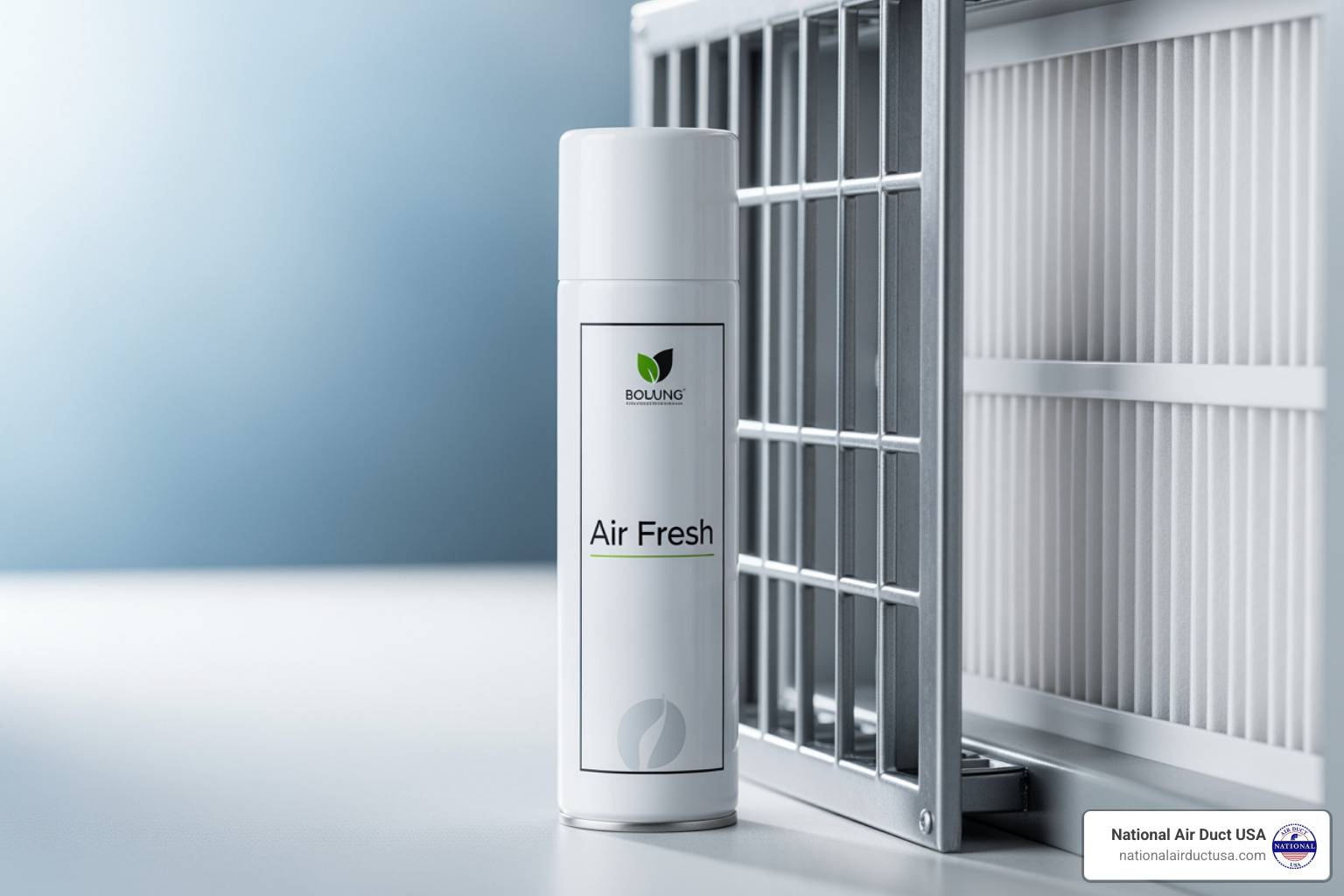
A duct deodorizer is a product designed to eliminate unpleasant odors from your HVAC system. It tackles everything from musty smells and pet odors to the dreaded “dirty sock syndrome” by either masking the scent or, more effectively, breaking down odor-causing molecules at their source.
Quick Guide to Duct Deodorizer Solutions:
- Solid Blocks/Gels – Place near air filters, last 2-6 months, slow-release formula
- Aerosol Sprays – Quick application into return ducts, shorter-term solution
- Liquid Deodorizers – Apply to filters or use for fogging with proper equipment
- Professional Foggers – Deep penetration into ductwork, best for severe odors
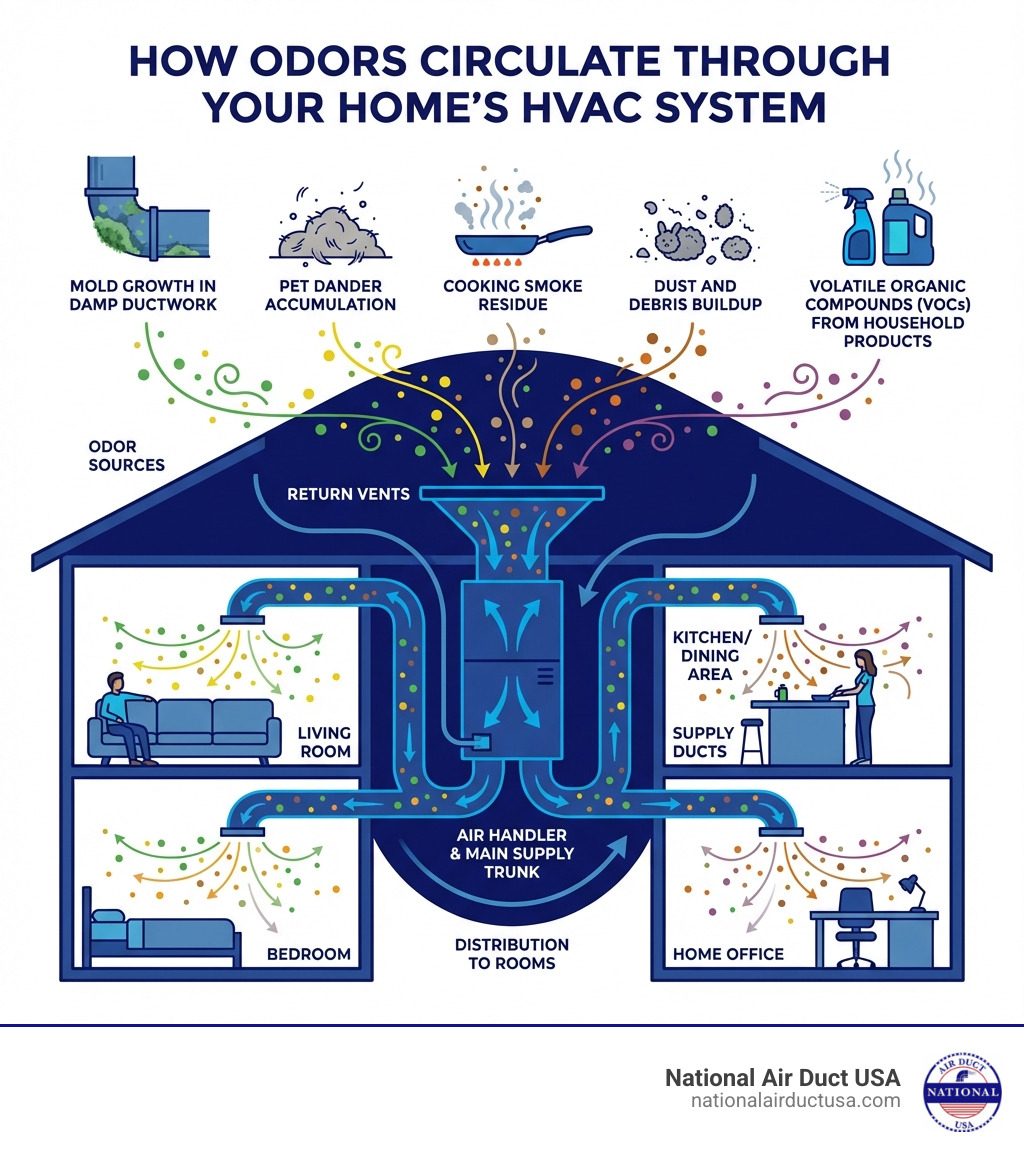
Your HVAC system can trap and circulate odors from cooking, smoke, mold, and pets. As one forum user noted, a “fine film throughout them that is emitting a persistent smell” can be the culprit, proving that regular air filter changes alone aren’t always enough.
That’s where duct deodorizers come in. However, not all products are created equal. Choosing the right one depends on understanding the source of the odor, which is the key to truly fresh air.
Basic duct deodorizer terms:
Uncovering the Source: Why Do My Air Ducts Smell?
Before using a duct deodorizer, it’s crucial to identify the source of the smell. Simply masking an odor won’t solve the underlying issue for homeowners in Long Island and Westbury.
Common Odor Sources:
- Mold and Mildew: Mold loves the damp, dark environment of your HVAC system, especially on evaporator coils. This is the most common cause of a “musty” or “earthy” smell. As one expert noted, “The one thing that has always remained the same is mold. This is a huge problem in the ducts.”
- Bacteria Growth: Bacteria also thrive in moist conditions and often cause “dirty sock syndrome,” a sour or cheesy smell that is a common complaint.
- Pests and Animal Decay: Rodents, insects, or birds can get into ductwork and perish, producing a foul odor as they decay.
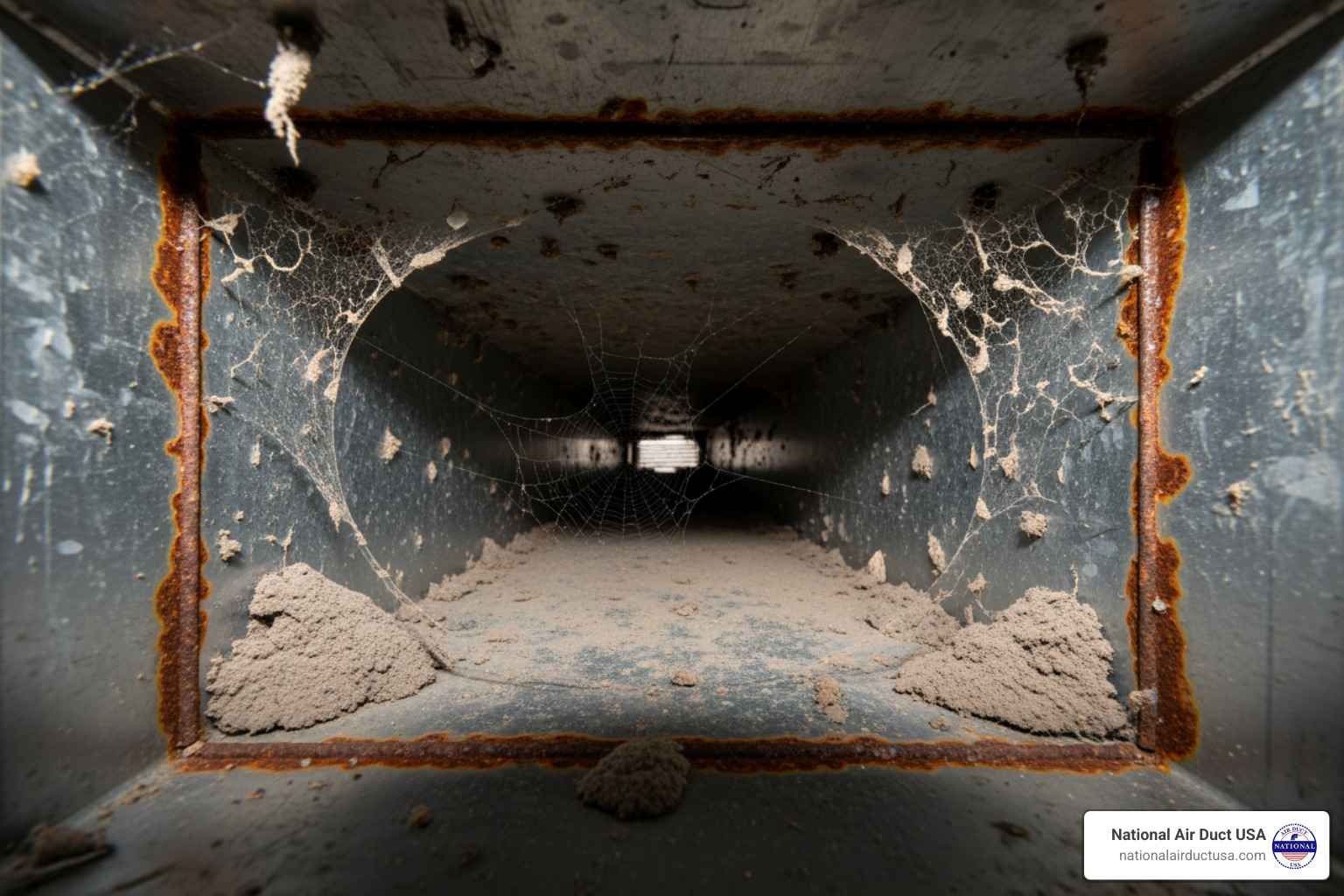
- Dust and Debris: Accumulated dust, pet dander, and other debris can trap moisture and provide food for mold and bacteria. A “fine film” of this mixture can cause a persistent smell.
- Tobacco Smoke: Nicotine and tar residues cling to duct surfaces and are reactivated when the HVAC system runs, leading to a stale, smoky smell.
- Cooking Fumes: Strong cooking odors, especially from grease, can become trapped in your ductwork and linger for days.
- Volatile Organic Compounds (VOCs): New carpets, paint, and cleaning products can off-gas VOCs, contributing to chemical odors and poor indoor air quality.
Importance of Source Identification:
Persistent odors often signal a deeper problem. As HVAC professionals, we know that a “stale smell indicates an issue with the coil or drain pan.” Spraying a duct deodorizer might offer temporary relief, but it won’t fix a dirty coil, a clogged drain pan, or a pest infestation. For a truly fresh and healthy home, eliminating the source is paramount.
If you suspect your ducts are harboring more than just dust, our team at National Air Duct USA can help. We specialize in thorough Air Duct Cleaning services in Long Island and Westbury to tackle the root cause of stubborn smells.
A Guide to Duct Deodorizer Types and Technologies

Once you’ve addressed the source of your HVAC odors, a duct deodorizer can help refresh your home’s air. Let’s explore the different types, technologies, and key ingredients.
How Deodorizers Work: Masking vs. Neutralizing
It’s crucial to understand the difference in how duct deodorizer products work:
- Masking Agents: Many common air fresheners simply cover up smells with a stronger fragrance. This provides temporary relief, but the original smell returns once the perfume fades.
- True Odor Neutralizers: These products are more effective because they break down, absorb, or chemically alter odor-causing molecules. Some use a “unique formula [that] molecularly reacts with airborne odor-causing compounds,” while others use encapsulation technology to trap and dissolve odors. When odors stem from microbes, a deodorizer with antimicrobial properties is essential.
Common Types of Duct Deodorizers
You’ll find a variety of duct deodorizer types, each with its own application method:
- Solid Blocks/Gels: These are popular for their “set it and forget it” convenience. You place the block near the air filter or in the return duct, where it slowly releases odor-neutralizing agents. They typically last from 2 to 6 months, depending on the product and system size.
- Aerosol Sprays: These offer a quick way to deliver a duct deodorizer into your system. You spray the product into the return duct while the fan is on, allowing it to circulate. They are great for immediate relief but may require more frequent application.
- Liquid Deodorizers: These versatile products can be sprayed on filters, vents, and coils. They are effective against a wide range of odors, from “A/C dirty socks” to smoke and mildew.
- Fogging: This method disperses a fine mist of duct deodorizer or disinfectant throughout the entire duct system.
- DIY Foggers: Some products are available for DIY application, often featuring a hands-free deployment.
- Professional Application: For severe odors or extensive mold, professional duct fogging is recommended. Our certified technicians use specialized equipment to ensure thorough coverage and effectiveness, reaching areas that simple sprays cannot. Learn more about our Professional Duct Fogging Services available in Long Island and Westbury.
Key Ingredients in an Effective Duct Deodorizer
When choosing a duct deodorizer, look for these effective and safe ingredients:
- Thymol: A powerful, plant-based antimicrobial derived from thyme oil. It’s approved by the EPA to kill mold, bacteria, and viruses, and is often cited as “safe for humans and pets.”
- Plant-Based Ingredients: Many safe deodorizers use other plant-derived compounds and essential oils for a fresh, natural scent.
- EPA-Approved Antimicrobials: If you’re targeting biological odors, look for EPA-registered active ingredients. This signifies the product has been tested for effectiveness against specific pathogens. You can learn more about dealing with household mold from resources like the EPA. We use EPA-registered disinfectant cleaners in our professional services.
- Activated Carbon: This material is excellent at adsorbing odors and is often included in commercial-grade deodorizer blocks.
- Biodegradable Formulas: For an environmentally conscious choice, opt for products labeled “biodegradable.”
- Safe Ingredients: Always check product labels for warnings and safety information to ensure the product is right for your home.
The Ultimate Duct Deodorizer Application Guide
Applying a duct deodorizer correctly is just as important as choosing the right one. Proper application ensures maximum effectiveness and safety.
Step-by-Step Application for Maximum Effectiveness
Before you begin, always read the product’s instructions carefully!
-
Preparation is Key:
- Turn Off HVAC System: Start with the system off for safety, especially when working near electrical components.
- Gather Protective Gear: Wear gloves, goggles, and a mask if recommended by the product.
- Inspect/Replace Filter: Remove your air filter. It’s a good time to replace it if it’s dirty.
-
Application for Solid Blocks/Gels:
- Placement: Place the activated block on or near the air filter, in the blower compartment, or in the return duct system where airflow is strong.
- Adjust for Severity: For severe odors, some products allow you to increase exposure for a faster release.
- Replacement: Mark your calendar to replace the block when it has shrunk or dried out, typically in 2 to 6 months.
-
Application for Aerosol Sprays:
- Activate Fan: Turn your HVAC fan to “ON” (not “AUTO”).
- Spray: With the air filter removed, spray into the return duct for the time specified on the can (e.g., 30-60 seconds).
- Replace Filter: Immediately put the air filter back in place.
-
Application for Foggers (DIY):
- Positioning: Place the can on a stable surface in the air handler or near a return vent.
- Activate: Press the valve to begin continuous fogging.
- Circulate: Run the HVAC fan to help distribute the mist throughout the ductwork. Let the product work as directed before ventilating the area.
Safety Precautions and Important Considerations
- Product Compatibility: Check if the duct deodorizer is safe for your duct material (e.g., galvanized metal, flexible ducts).
- Pet and Family Safety: While many modern deodorizers with ingredients like Thymol are labeled “safe for humans and pets,” confirm this on the label. If you have sensitive individuals, consider keeping them away during application.
- Ventilation Needs: Good ventilation is always a good idea after applying sprays or foggers.
- Proper Disposal: Dispose of empty containers according to local regulations.
- Potential for Irritation: Even mild chemicals can cause skin or eye irritation. Follow first aid instructions on the label if contact occurs.
Deodorizers vs. Professional Cleaning: What’s the Right Choice?
When faced with stubborn HVAC odors in your Long Island or Westbury home, you might wonder whether a DIY duct deodorizer is enough, or if it’s time to call in the professionals. The answer often lies in the severity and origin of the odor. Let’s compare the options to help you make the best decision.
Comparing Odor Elimination Methods
- DIY Deodorizers (Sprays, Blocks, Gels):
- Effectiveness: Best for minor, superficial odors or as a maintenance tool between deeper cleanings. They can mask or neutralize light smells but struggle with deeply embedded or pervasive odors.
- Cost: Generally the lowest initial cost, making them an accessible first step.
- Best Use Case: Freshening up your home’s air, addressing intermittent or mild odors, or maintaining freshness after a professional cleaning.
- Professional Fogging:
- Effectiveness: More effective than DIY methods for persistent odors that aren’t tied to heavy physical contamination. Professional foggers use specialized equipment and stronger, EPA-approved solutions to penetrate ductwork more thoroughly.
- Cost: Moderate, higher than DIY deodorizers but typically less than a full duct cleaning.
- Best Use Case: Eliminating odors from smoke, pets, or mustiness where the source isn’t heavy buildup or mold, but rather a pervasive film or residue on duct surfaces. Our team can provide targeted professional fogging services.
- Full HVAC System Cleaning:
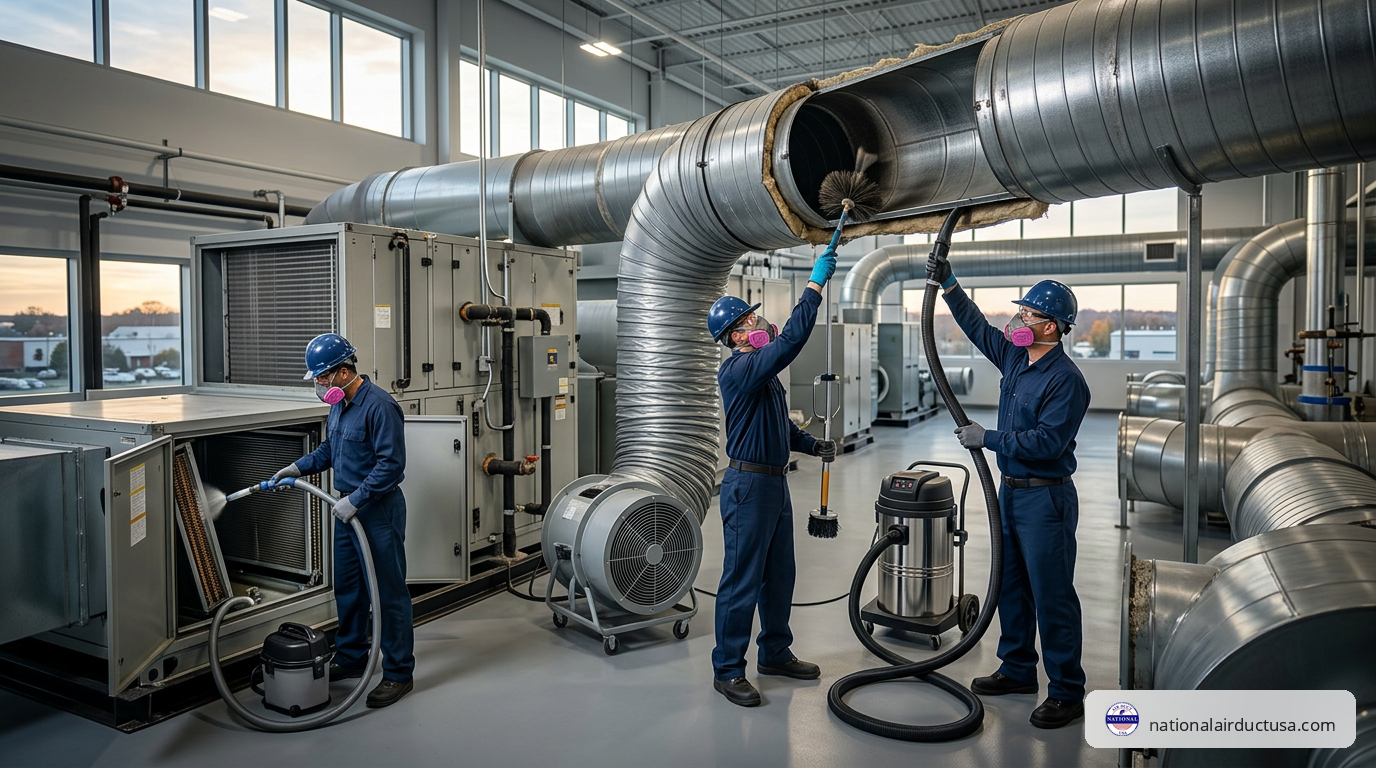
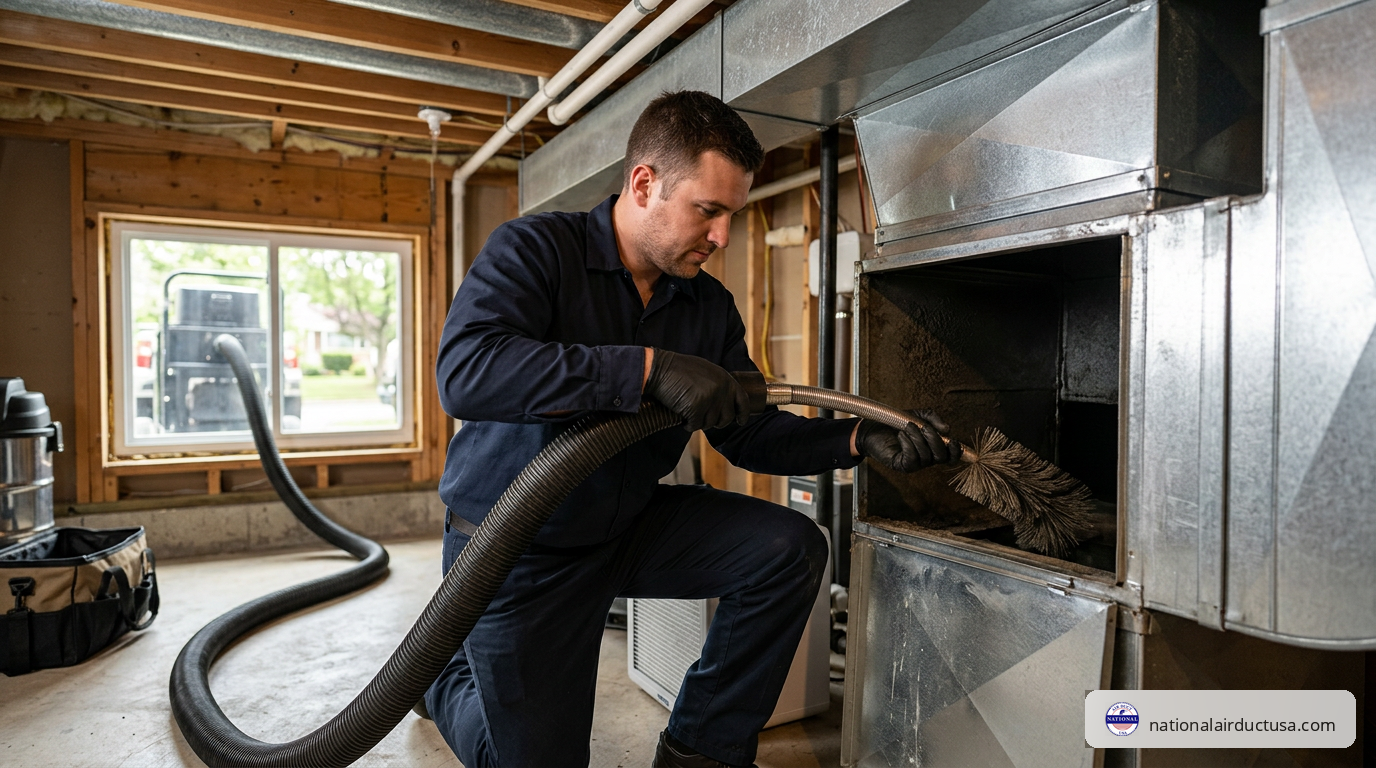
- Effectiveness: The gold standard for comprehensive odor elimination. This involves physically cleaning the entire duct system, including the main trunks, branch lines, and HVAC components like the evaporator coil and blower motor. This removes the actual source of odors – dust, debris, mold, bacteria, and pest remnants.
- Cost: Highest initial investment, but provides the most long-term and thorough results.
- Best Use Case: Severe, persistent odors; visible mold growth; heavy dust and debris accumulation; pest infestations; or when you simply want the cleanest, healthiest air possible for your Long Island or Westbury home.
Limitations of a DIY Duct Deodorizer
While convenient, it’s important to understand where DIY duct deodorizer methods fall short:
- Temporary Solutions: They often provide short-term relief. If the underlying cause of the odor isn’t removed, the smell will inevitably return.
- Masking Underlying Problems: A persistent “stale smell” can indicate a problem with the coil or drain pan. Masking it can allow mold or bacteria to worsen.
- Ineffective on Heavy Contamination: Deodorizers alone are insufficient for heavy mold growth or pest infestations, which require physical removal and sanitization.
A Holistic Approach to Indoor Air Quality
For truly fresh air and a healthy home environment in Long Island and Westbury, we advocate for a holistic approach to indoor air quality, combining methods as needed:
- Regular HVAC Maintenance and Cleaning: This is the foundation. Regular professional cleaning of your HVAC system and ducts removes the physical contaminants that cause most odors.
- High-MERV Filters: Upgrading to high-efficiency MERV-rated filters (MERV 8 or higher) can significantly improve air quality by trapping more airborne particles.
- UV Light Sanitizers: Installing UV lamps within your HVAC system can help sterilize airborne pathogens and prevent mold and bacterial growth on the coil itself.
- Strategic Use of Duct Deodorizers: Once your system is clean, a duct deodorizer can be an excellent tool for ongoing freshness and odor control.
- Addressing Moisture Issues: Since mold and bacteria thrive in dampness, ensuring proper drainage from your AC unit and controlling indoor humidity are crucial.
- Ventilation: Ensure your home is properly ventilated, especially in areas like kitchens and bathrooms.
By combining these strategies, you can ensure the air circulating through your Long Island or Westbury home is as fresh and healthy as possible. Explore our More info about IAQ services for a comprehensive approach to cleaner air.
Frequently Asked Questions about Duct Deodorizers
We often get questions about duct deodorizer products from our clients across Long Island and Westbury. Here are some of the most common inquiries, along with our expert answers, to help you make informed decisions. For more general questions, check out our comprehensive FAQ page.
How long does a duct deodorizer last?
The lifespan of a duct deodorizer varies significantly depending on the type of product.
- Solid Blocks/Gels: These offer sustained release, typically lasting 2 to 6 months depending on the product and system size.
- Sprays and Foggers: These provide more immediate, shorter-term effects, lasting from a few days to a few weeks. They are best for a quick refresh.
- Odor Source: If the original source of the odor (like mold or debris) isn’t removed, the smell will eventually return, regardless of the deodorizer used.
Are duct deodorizers safe for pets and children?
The safety of duct deodorizer products is a paramount concern.
- Check Product Labels: Always read the manufacturer’s safety warnings and instructions. This is your best source of information.
- Natural Ingredients: Products using natural ingredients like Thymol are often marketed as safer for use around families and pets. Some even state that evacuation is not necessary during use.
- Follow Instructions: Even with “safe” products, follow all directions for application and ventilation, especially with sensitive individuals or pets in the home.
Can I just spray air freshener into my vents?
We do not recommend spraying household air fresheners directly into your vents.
- Masking, Not Treating: Most air fresheners only cover up odors with perfume instead of eliminating the source. The smell will likely return.
- Residue Buildup: These products can leave a sticky residue in your ducts, which attracts more dust and dirt, potentially making the problem worse.
- Use a Proper Product: For effective and safe results, always choose a duct deodorizer specifically designed for HVAC systems. Better yet, address the root cause with professional cleaning.
Conclusion: The Final Step to Fresher Air
Dealing with unpleasant odors emanating from your HVAC system can impact the comfort of your Long Island or Westbury home. We’ve explored the common culprits, highlighting that identifying the source is always the first, most crucial step.
A duct deodorizer is a valuable tool in your quest for fresher air. We’ve seen the various types, from convenient solid blocks to deep-penetrating foggers. Understanding how these products work – whether by masking or neutralizing odor compounds – helps you choose the most effective solution. Ingredients like EPA-approved Thymol are a key indicator of a potent and often safer product.
However, it’s vital to remember that a duct deodorizer is best used as a maintenance tool or a complementary solution, not a cure-all. For deeply embedded odors or persistent issues, professional HVAC and air duct cleaning remains the most effective and long-lasting solution. Our NADCA-certified technicians at National Air Duct USA are experts in addressing the root causes of unpleasant smells.
By taking a holistic approach – combining regular professional maintenance with the strategic use of a duct deodorizer when necessary – you can ensure your Long Island or Westbury home enjoys the freshest, cleanest air possible.
For a complete solution to stubborn HVAC odors and to guarantee the cleanest air in your home, explore our professional air duct and HVAC cleaning services. Let us help you breathe easier and enjoy a truly fresh home environment.