Quick Answer
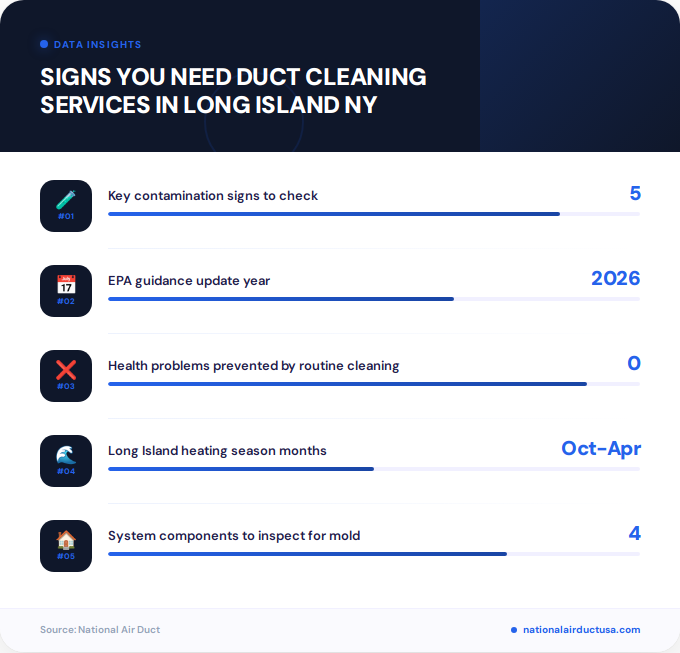
You need duct cleaning services in Long Island NY when there is documented evidence of contamination: visible mold inside the ducts or air handler, dust or debris actively blowing from supply registers, rodent or insect infestation, water damage, or heavy buildup after a renovation or fire. Dusty vent covers alone, an older HVAC system, or minor odors are not reliable proof that cleaning is necessary, according to EPA guidance updated in 2026.
Nearly every homeowner on Long Island has, at some point, peered into a supply register and wondered: is that dust buildup bad enough to call someone? Here’s the surprising part: according to the EPA’s updated guidance, there is no evidence that routine duct cleaning actually prevents health problems, and a dusty-looking vent cover is one of the least reliable indicators that your system needs service. Yet duct cleaning is still one of the most searched home-maintenance questions across Nassau and Suffolk counties every fall and spring.
This buyer’s guide cuts through the marketing noise. We’ll walk through the documented, evidence-based signs you need duct cleaning services in Long Island NY, the symptoms that look alarming but usually aren’t, what the service actually costs, and the questions that separate a legitimate contractor from an upsell artist. If you’ve already found visible mold, strange odors, or dust blowing from your vents, this is the guide to help you decide what to do next.
Why This Decision Matters for Long Island Homes
Long Island’s housing stock presents a unique combination of risk factors: coastal humidity, older homes in communities like Hempstead, Babylon, and Huntington with decades-old ductwork, finished basements prone to dampness, and a heating season that runs long and damp from October through April. These conditions create more opportunities for moisture intrusion, condensation, and microbial growth inside HVAC systems than you’d find in drier inland climates.
At the same time, duct cleaning has a reputation problem. Door-to-door and discount coupon offers have flooded the New York metro area for years, often pushing unnecessary cleanings on homes that show no real contamination. The EPA’s own guidance, updated in 2026, is explicit that cleaning should be based on evidence of a problem, not a calendar schedule or a sales pitch.
That means the smart approach for Long Island homeowners is to learn the real signs, rule out the false alarms, and get an honest inspection before paying for a full duct cleaning service. For background on what a thorough inspection and cleaning actually involves, see this air duct cleaning Long Island guide.
What Are the Real Signs You Need Duct Cleaning?
The strongest justification for duct cleaning is documented contamination, not simply an aging system or a vent that looks dusty. Below are the indicators that genuinely warrant a professional evaluation.
- Visible mold inside ducts or HVAC components. Check accessible supply and return ducts, the air handler, the evaporator coil area, and the drain pan. Surface mold found elsewhere in the home does not automatically mean the duct system itself is contaminated, and the underlying moisture source still has to be fixed first.
- Persistent musty or sour odors when the system starts. This pattern often points to damp insulation, microbial growth on the coil, stagnant condensate, or, less pleasantly, a dead animal in the ductwork. Odor by itself isn’t proof that cleaning will fix the issue, but it’s a strong reason to inspect.
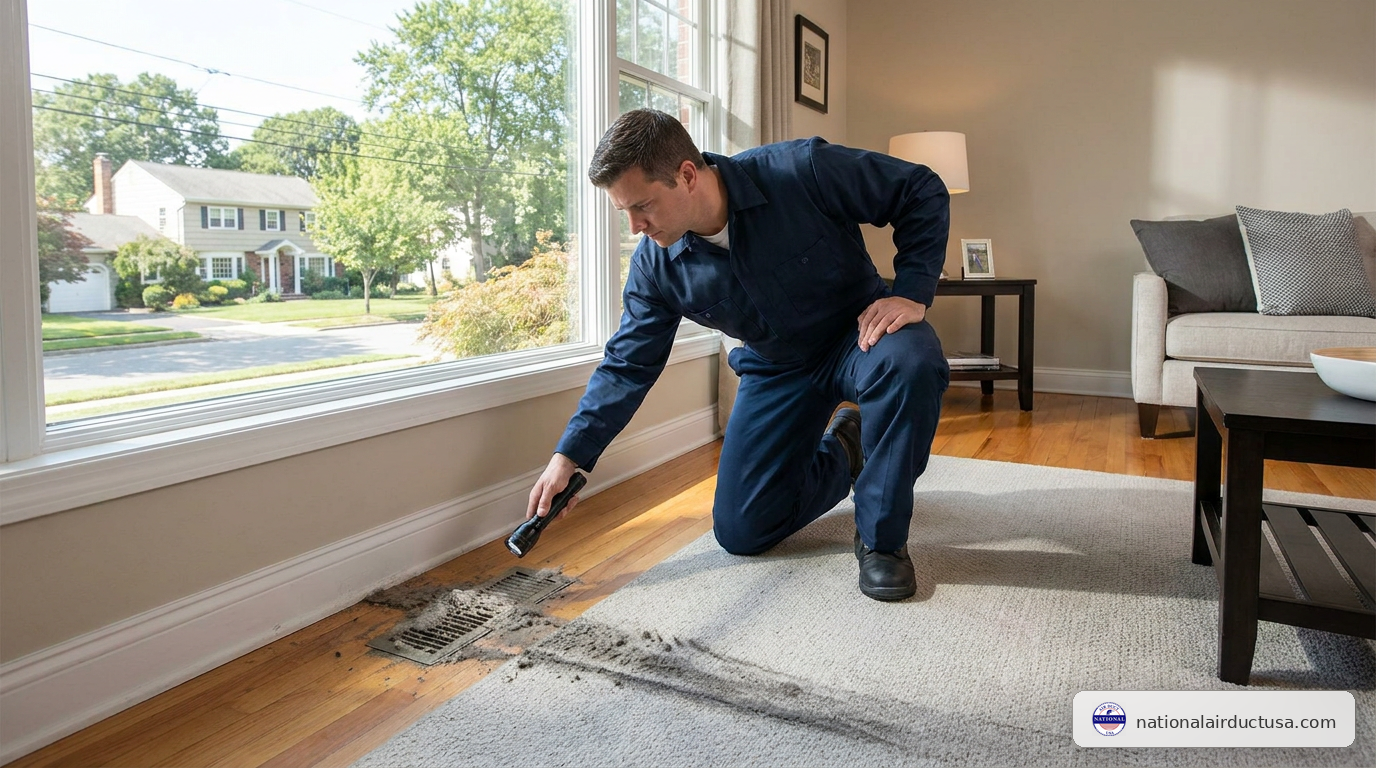
- Dust or debris visibly blowing from supply registers. The EPA specifically flags particles being released into occupied rooms as a legitimate reason to consider cleaning, especially after construction, renovation, a fire, or a major dust event, according to archived EPA technical guidance.
- Substantial debris inside the ductwork itself. A thin film of dust is normal. Cleaning becomes reasonable when deposits are thick, loose, obstructing airflow, or contain drywall dust, insulation fragments, rodent nesting material, or construction debris.
- Rodents or insects inside the system. Droppings, nesting material, carcasses, or recurring pest activity call for an HVAC inspection and may require removal, sanitizing, and in some cases partial duct replacement, not just a vacuum pass.
- Water damage or wet insulation. Long Island’s coastal humidity, heavy seasonal rain, and basement dampness create ideal conditions for mold growth in ductwork. Wet, insulation-lined ducts often cannot be cleaned effectively and may need to be removed and replaced. See this related breakdown on why ducts leak water and what to do about it.
- Recent renovation, fire, or smoke event. Drywall dust, soot, ash, and smoke particles accumulate quickly in ductwork during remodeling projects. If you’ve just completed a kitchen or basement renovation, read this post-construction deep cleaning cost guide before scheduling duct work.
- Airflow restrictions traced directly to the ducts. Weak airflow or rooms that stay stubbornly hot or cold can justify an inspection, though the real cause is often a clogged filter, closed damper, undersized duct run, failing blower, or leaking duct joints rather than dirty ducts themselves.
- A confirmed contamination finding from a professional. If a technician, mold assessor, or remediation specialist has documented contamination in the air handler or duct interior, cleaning may be one part of a broader corrective plan, not a standalone fix.
“Do not operate a system suspected of actively spreading mold until it’s been evaluated. Running a contaminated air handler can distribute spores throughout the entire home in a matter of hours.”
If you’re seeing any combination of these signs, start with a professional inspection rather than assuming the worst. The team at duct cleaning near me for Long Island NY homeowners can evaluate your specific situation and tell you honestly whether cleaning is warranted.
What Symptoms Do NOT Prove Duct Cleaning Is Needed?
Just as important as knowing the real red flags is recognizing the false alarms that drive unnecessary spending. The EPA notes that dusty return register grilles are common and expected, since return vents constantly pull air (and the dust suspended in it) through the grille as part of normal operation.
- Dusty vent covers. This is cosmetic and reflects normal airflow, not necessarily a dirty duct interior.
- An older HVAC system or home. Age alone isn’t evidence of contamination. A 20-year-old system with clean ducts doesn’t need cleaning just because of its age.
- General seasonal allergies. Allergy symptoms can stem from many sources inside a home, not necessarily ductwork, according to research summarized by the University of Georgia Extension’s review of HVAC filters and indoor air quality.
- A system that’s simply never been cleaned. Lack of prior cleaning isn’t itself a problem if there’s no documented contamination.
- Minor dust on furniture. This is often tied to filtration quality, humidity levels, or housekeeping, not duct contamination.
Independent research backs up this cautious stance. A study summarized through the National Research Council of Canada’s publication archive found no consistent link between routine duct cleaning and measurable improvements in indoor air quality in homes without documented contamination. That doesn’t mean duct cleaning never helps, it means the decision should be evidence-based.
For a deeper look at how to visually inspect your own ducts before calling a professional, see this New York-specific signs guide.
How Do the Signs Compare in Urgency?
Not every sign carries the same weight. Use this comparison to prioritize what deserves an immediate call versus what can wait for your next scheduled HVAC maintenance visit.
| Sign | Urgency Level | Recommended Action |
|---|---|---|
| Visible mold in ducts/coil | High | Stop system use, schedule inspection immediately |
| Rodent/pest activity | High | Inspection and remediation plan within days |
| Dust visibly blowing from supply vents | High | Schedule cleaning within 1-2 weeks |
| Post-renovation debris | Medium | Clean before resuming full-time HVAC use |
| Musty odor on startup | Medium | Inspect within 30 days |
| Uneven airflow/weak registers | Low-Medium | Diagnostic visit to find root cause |
| Dusty vent grilles only | Low | Monitor, no action needed |
What Does Duct Cleaning Cost on Long Island?
Pricing varies based on your specific project, home size, duct accessibility, system complexity, and whether additional services like mold remediation, dryer vent cleaning, or sanitizing treatments are needed. Homeowners across Nassau and Suffolk counties should expect costs that scale with the scope of work rather than a flat, one-size-fits-all number.
Factors: Home size, number of vents, access points
Typical range: $300 to $1,200+
Factors: Severity, duct material, containment needs
Typical range: $800 to $3,500+
Factors: Vent length, roof vs. side wall exit
Typical range: $100 to $350+
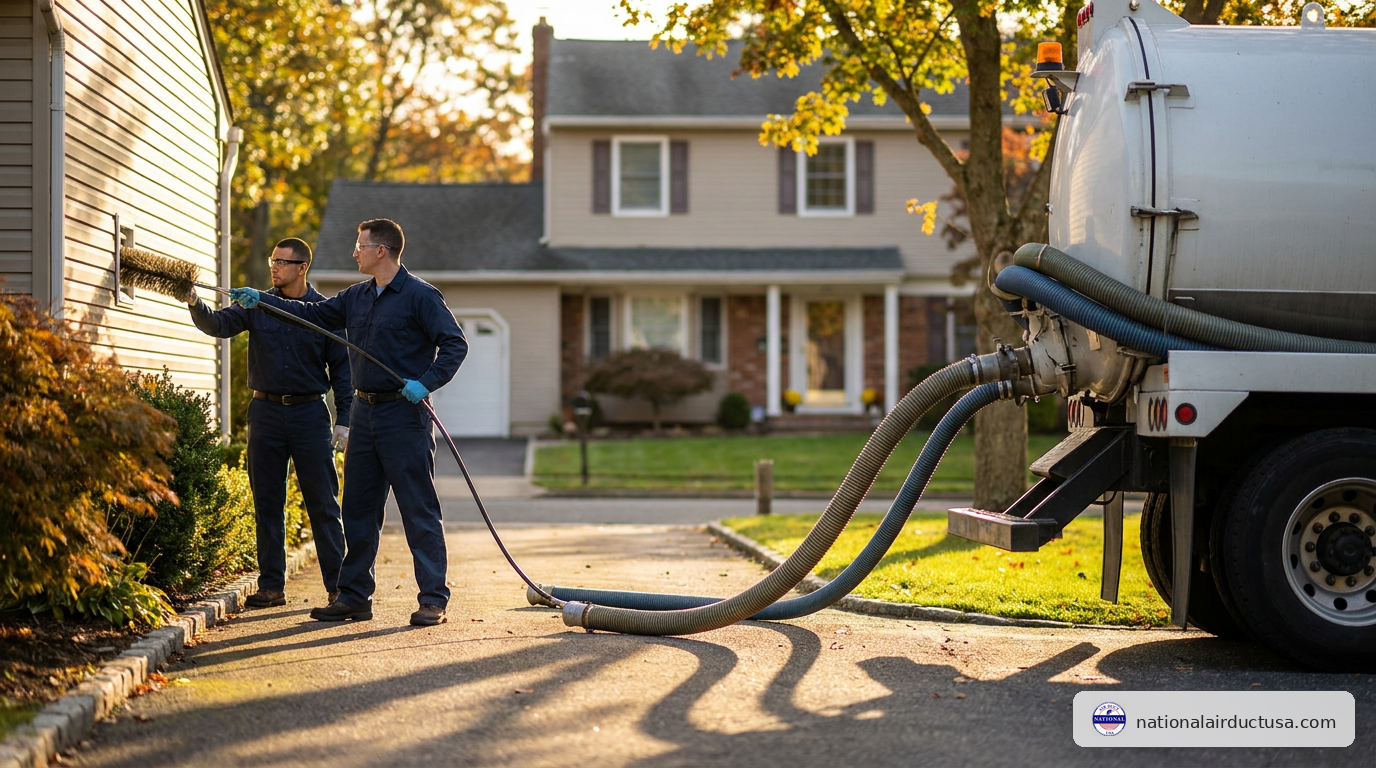
Because dryer vent fires are a real seasonal risk in Long Island homes, especially in colder months when dryers run longer, it’s worth bundling this with your HVAC evaluation. Learn more through this dryer duct cleaning Long Island resource. For homes with confirmed mold findings, review this step-by-step mold removal checklist before committing to a contractor.
Always ask for a written, itemized quote after an in-person inspection. Avoid any company that quotes a flat price over the phone without seeing your system, since duct configurations in older Long Island homes (especially pre-1970s construction) vary enormously in accessibility and complexity.
What Questions Should You Ask a Duct Cleaning Company?
A reputable contractor should welcome detailed questions. Use this list during your initial consultation.
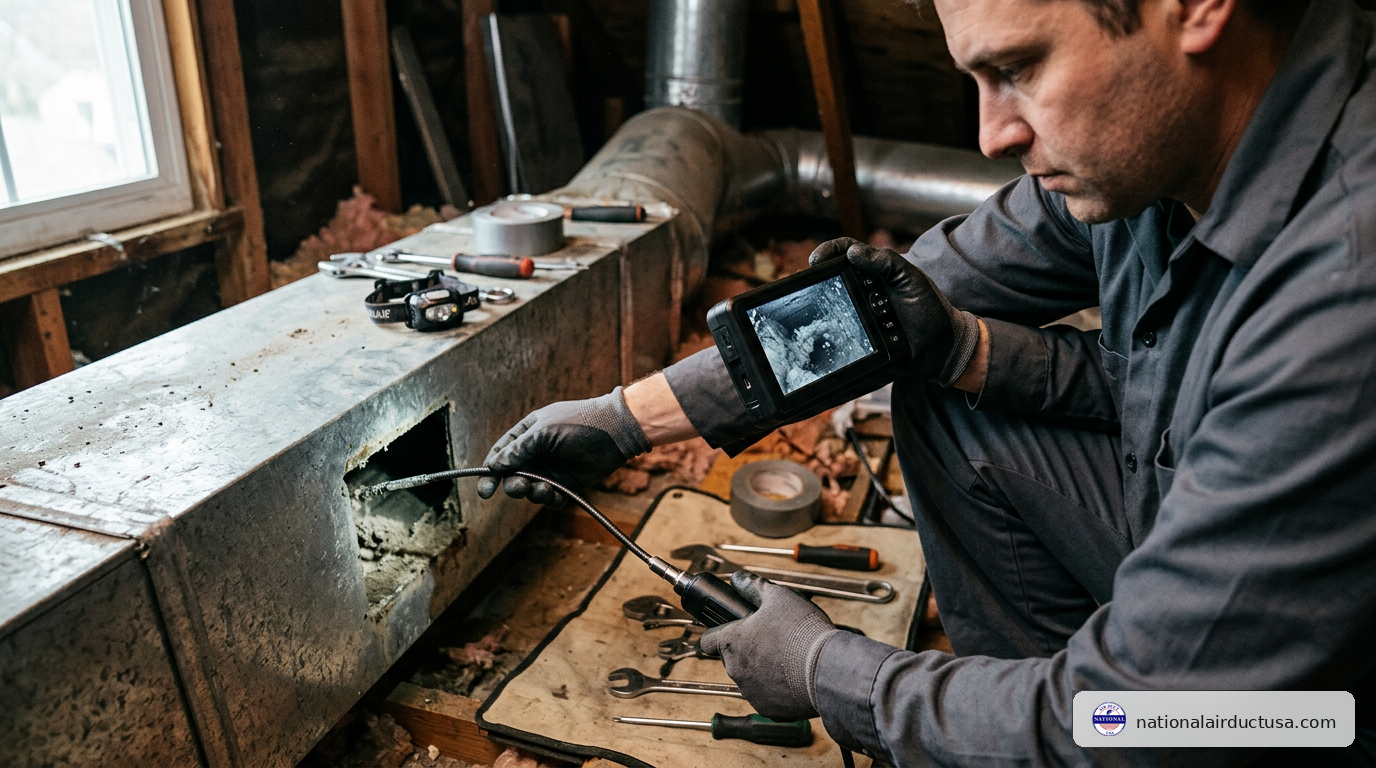
- Can you show me photo or video evidence of contamination before I pay for cleaning? Legitimate companies use inspection cameras and should share findings with you directly.
- What specific signs did you find that justify this service? The answer should reference one of the documented signs above, not a generic “it’s been a while” explanation.
- Do you follow NADCA (National Air Duct Cleaners Association) standards? This is the industry benchmark referenced by HVAC manufacturers like Bryant’s HVAC cleaning guidance.
- What equipment do you use, and is it negative-pressure/HEPA-filtered? This prevents debris from being pushed into your living space during cleaning.
- Will you clean the coil, drain pan, and air handler, or just the ductwork? Contamination often hides in these components too.
- What’s included in the written quote, and are there potential add-on costs? Get this in writing before work begins.
- Do you offer sanitizing or antimicrobial treatments, and are they necessary for my situation? These add-ons aren’t always needed and should be justified by findings, not upsold by default.
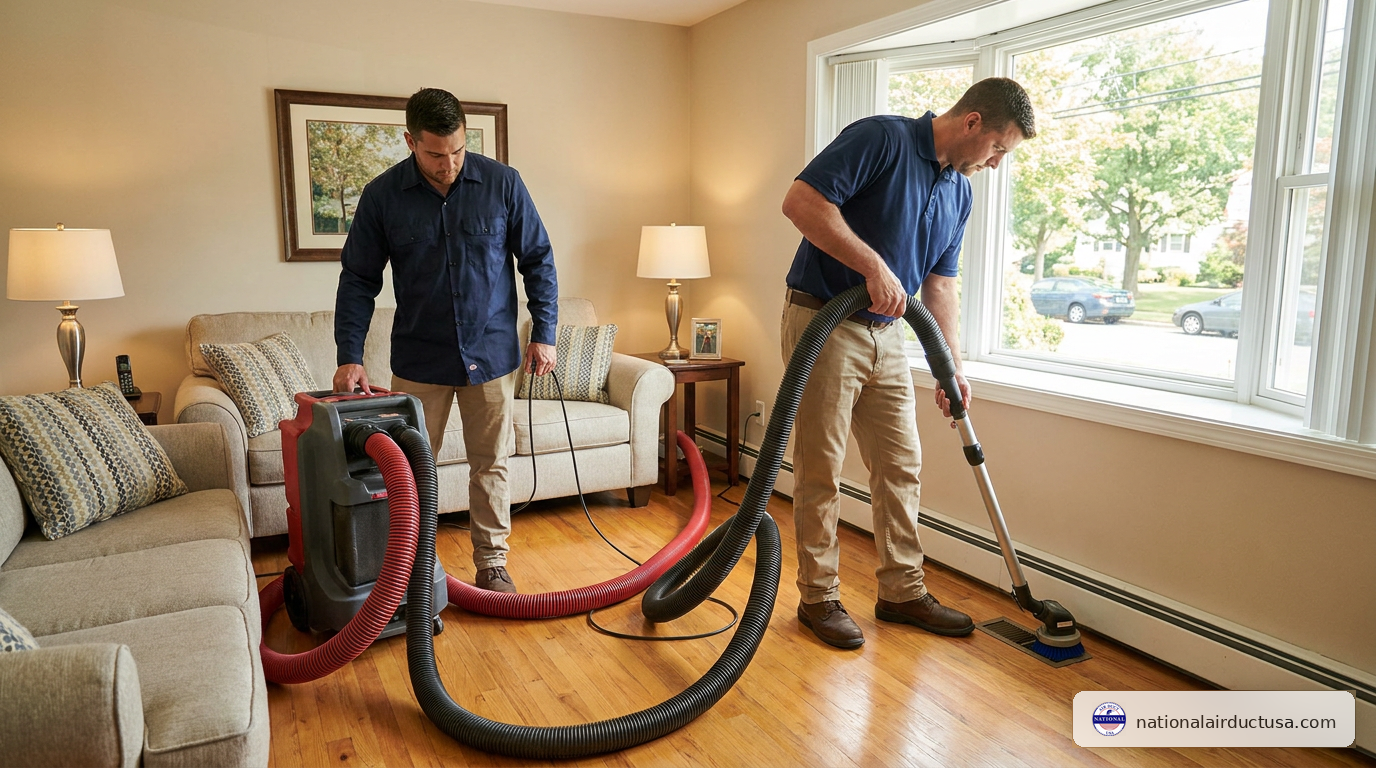
To understand what the actual cleaning process looks like from start to finish, read this step-by-step walkthrough of professional duct cleaning.
What Red Flags Signal a Bad Duct Cleaning Company?
The duct cleaning industry has a well-documented history of aggressive, unnecessary sales tactics. Watch for these warning signs.
- Extremely cheap flat-rate coupons (often under $100 for whole-house cleaning) that balloon once the technician arrives and “discovers” costly additional problems.
- Scare tactics about mold or health risks without photographic evidence or lab testing. Research from Florida International University’s indoor air quality research cautions against unverified health claims tied to duct cleaning sales.
- No willingness to show you the ducts before and after. Transparency is standard practice among reputable providers.
- Pressure to sign same-day without time to review a written estimate.
- No mention of NADCA standards or licensing when asked directly.
If you want to see legitimate before-and-after results from real Long Island homes, this before-and-after guide with real results is a useful reference point. You can also learn more about the broader service category on the air duct cleaning overview page, or explore National Air Duct’s full range of Long Island services directly.
Key Takeaways
- Documented contamination, not system age or a dusty vent cover, is the real justification for duct cleaning in Long Island NY.
- Visible mold, pest activity, water damage, and dust actively blowing from registers are the strongest evidence-based signs.
- EPA guidance updated in 2026 confirms routine cleaning has not been shown to prevent health problems in homes without documented issues.
- Dusty return grilles and seasonal allergies are common false alarms that don’t prove ductwork needs cleaning.
- Pricing varies widely based on scope, access, and whether mold remediation or dryer vent work is included, so always get an in-person, written quote.
- Ask contractors for photo/video evidence and NADCA-standard practices before authorizing any work.
- Long Island’s coastal humidity and older housing stock make moisture-related duct problems more common than in drier climates.
People Also Ask
How can I tell if my ducts actually need cleaning?
Look for visible mold inside accessible ducts, dust or debris blowing from supply vents, pest droppings or nesting material, and water damage. A professional inspection with a camera is the most reliable way to confirm contamination before paying for cleaning.
Is dust coming from vents always a sign of dirty ducts?
Not always, but visible debris or particles actively discharging into rooms is one of the clearest EPA-recognized signs worth investigating. It can also indicate a torn duct liner, damaged insulation, or a recent renovation that introduced drywall dust into the system.
Does a musty smell from vents mean I need duct cleaning?
A musty smell when the system starts often points to damp insulation, a dirty coil, or stagnant condensate, but odor alone doesn’t confirm cleaning will solve it. An inspection is needed to identify and address the actual moisture source.
How often should duct cleaning happen in Long Island homes?
There’s no universal schedule; cleaning should be based on evidence of contamination rather than a fixed calendar interval. Homes with pets, recent renovations, water damage, or pest issues may need more frequent evaluation than others.
Can dirty ducts cause allergy or respiratory symptoms?
Ducts with documented mold, heavy debris, or pest contamination can contribute to indoor air quality issues, but general allergies often stem from other sources in the home. A professional inspection can help determine whether ductwork is actually contributing to symptoms.
Frequently Asked Questions
What is the most reliable sign that I need duct cleaning in Long Island NY?+
Visible mold inside the ductwork, air handler, or drain pan is the strongest, most documented indicator. Dust on vent covers or an older system alone are not reliable signs on their own.
Should I clean my ducts after a home renovation?+
Yes, if drywall dust, insulation fragments, or construction debris have entered the system, cleaning is typically warranted. This is especially relevant for whole-home renovations common in older Long Island neighborhoods.
Will duct cleaning fix uneven heating or cooling in my home?+
Sometimes, but uneven airflow is more often caused by a clogged filter, closed damper, undersized duct, or failing blower motor. A diagnostic inspection should identify the actual root cause before cleaning is recommended.
How much does duct cleaning cost in Long Island, NY?+
Pricing varies based on home size, duct accessibility, and whether mold remediation or dryer vent cleaning is included, so costs can range widely. Always request an in-person inspection and a written, itemized quote for an accurate custom estimate.
Can I clean my ducts myself?+
Homeowners can vacuum accessible vent covers and change filters, but full duct cleaning requires specialized negative-pressure equipment to avoid pushing debris further into the system. Mold, pest, or water damage situations should always be handled by licensed professionals.
Does having pets mean I need more frequent duct cleaning?+
Homes with pets tend to accumulate more hair and dander in ductwork, which can justify more frequent evaluation, though it still depends on visible buildup rather than a fixed schedule. See our dedicated guide on pet hair and dander in ductwork for more detail.
Is duct cleaning covered by homeowners insurance?+
Routine duct cleaning generally isn’t covered, but cleaning tied to documented water damage, fire, or mold remediation may be covered under certain policies. Check with your insurer and keep inspection documentation to support any claim.
If you’ve identified one or more of the real warning signs covered in this guide, the next step is a professional, evidence-based inspection, not a guess. Contact National Air Duct to schedule an on-site evaluation of your Long Island home, or learn more about the company’s approach on the about us page before booking your appointment.